باب مقاوم للحريق
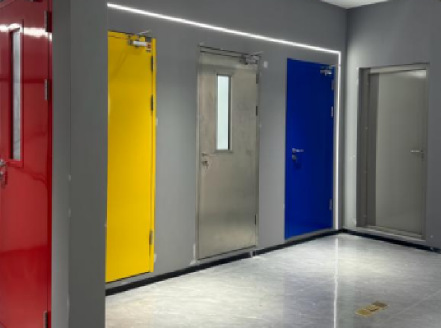
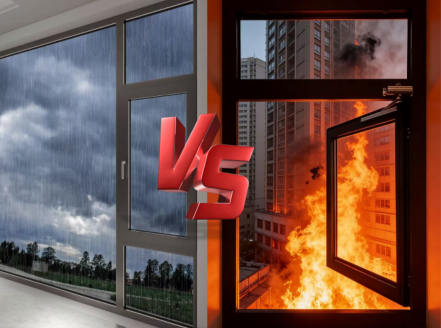
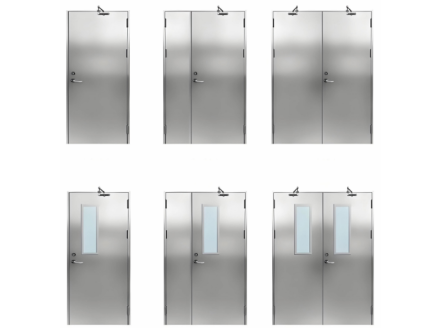
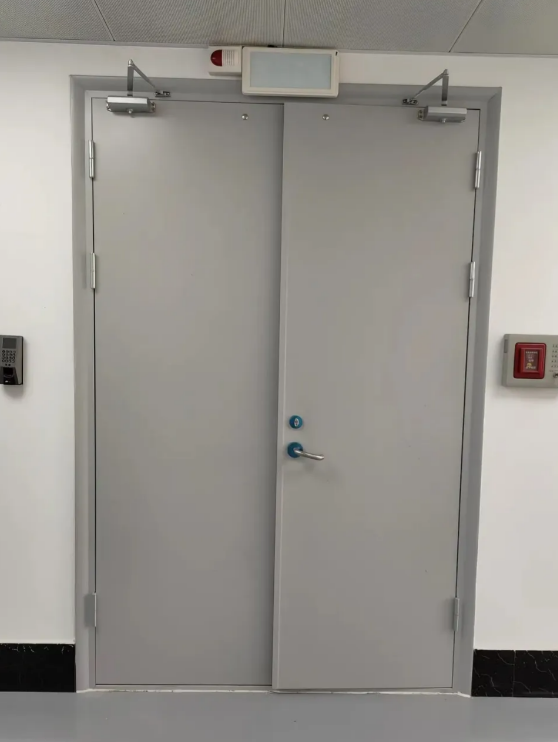
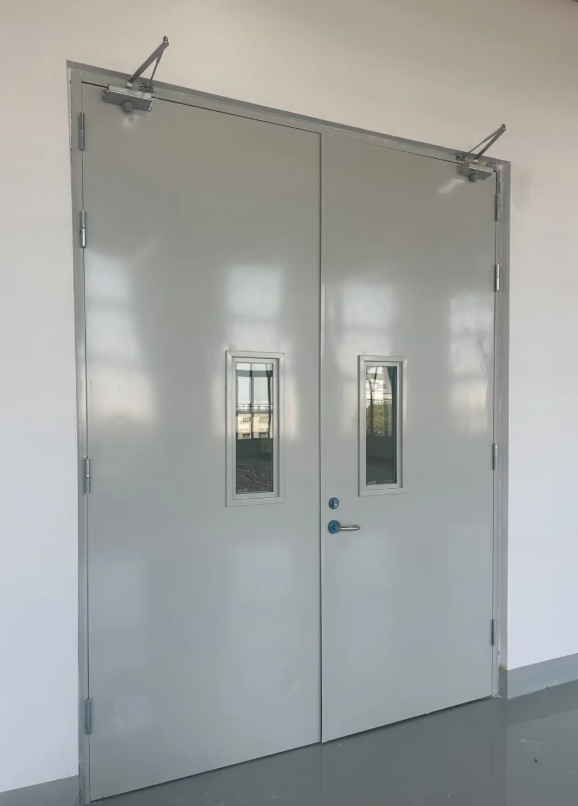
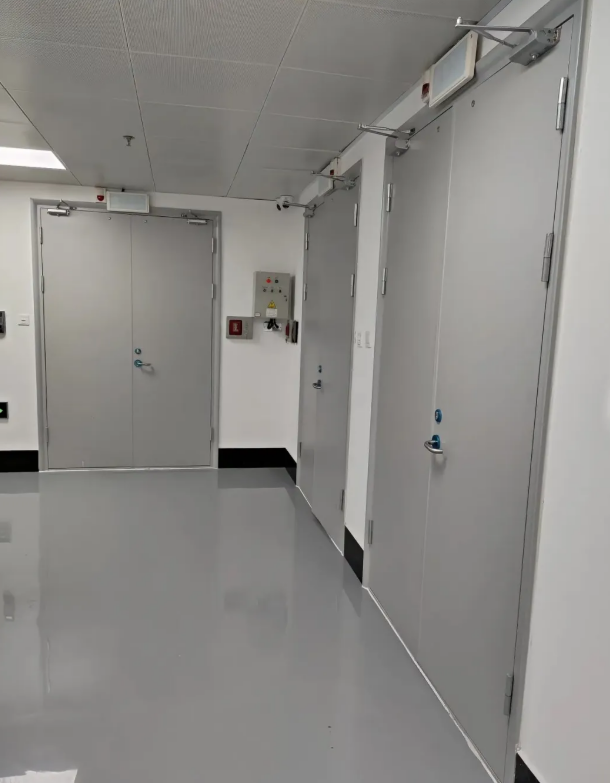
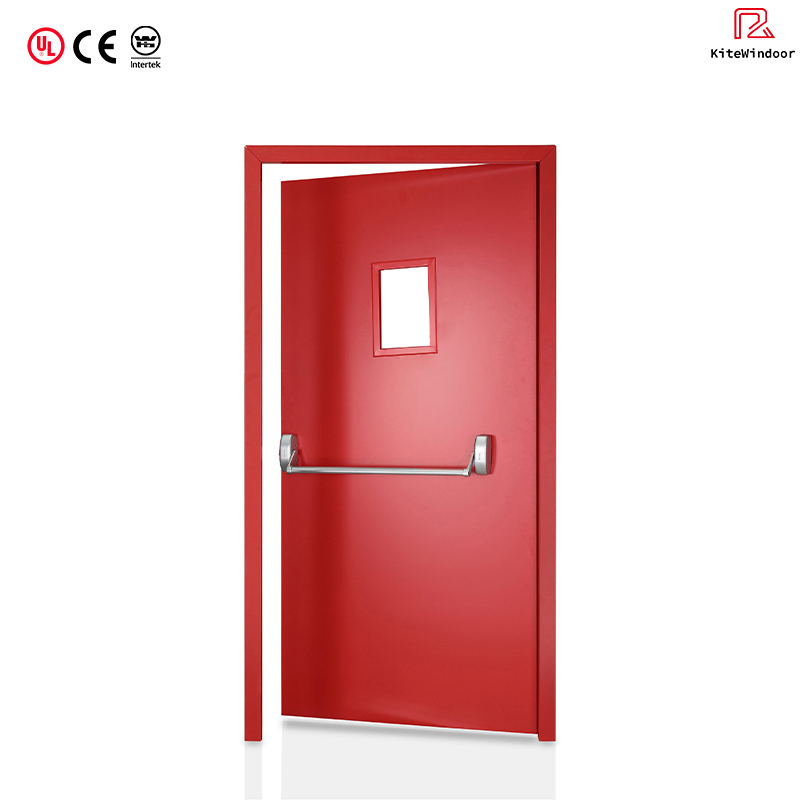
تمثل أبواب مقاومة الحريق مكوّنًا أمنيًّا حيويًّا مُصمَّمًا لمنع انتشار النار والدخان في المباني أثناء حالات الطوارئ. وتؤدي هذه الأبواب المتخصصة دور حواجز وقائية تُقسِّم المبنى إلى أجزاء منعزلة، ما يمنح السكان وقتًا ثمينًا للإخلاء الآمن مع الحد من الأضرار التي تلحق بالممتلكات. وتعمل أبواب مقاومة الحريق عبر هندسة متطوّرة تجمع بين المواد المقاومة للحريق والتصنيع الدقيق لإنشاء نظام دفاع فعّال ضد اللهب والدخان السام. ويتمحور الغرض الرئيسي من باب مقاومة الحريق حول الحفاظ على السلامة الإنشائية تحت ظروف الحرارة القصوى. وعند التعرّض للنار، تُغلق هذه الأبواب تلقائيًّا وتُحكم إغلاق الفجوات التي قد تسمح بمرور اللهب إلى المناطق المجاورة. وهذه القدرة على العزل ضرورية جدًّا في المباني الشاهقة والمستشفيات والمدارس والمرافق التجارية، حيث يشكّل الانتشار السريع للنار مخاطر جسيمة على حياة الإنسان. وتضم أنظمة أبواب مقاومة الحريق الحديثة مواد متقدمة مثل الأختام المنتفخة (Intumescent Seals) والأنوية الفولاذية والعوازل الليفية المعدنية التي تتمدّد عند التسخين لتكوين حواجز لا يمكن اختراقها. وتشمل الميزات التقنية لأنظمة أبواب مقاومة الحريق آليات الإغلاق الذاتي، والأجهزة المغناطيسية التي تحافظ على فتح الباب، والتكامل مع أنظمة كشف الدخان. وتعمل هذه المكوّنات معًا لضمان إغلاق الأبواب تلقائيًّا عند اكتشاف وجود نار أو دخان، بغض النظر عمّا إذا كان هناك أشخاص موجودون لتشغيلها يدويًّا أم لا. كما تتميز العديد من تركيبات أبواب مقاومة الحريق بسرعات إغلاق قابلة للضبط وقوى إقفال قابلة للتعديل لتلبية متطلبات المباني المختلفة ومعايير سهولة الوصول. وتشمل مجالات تطبيق تقنية أبواب مقاومة الحريق قطاعات عديدة مثل المرافق الصحية، والمؤسسات التعليمية، والمجمّعات السكنية، والمستودعات الصناعية. وعادةً ما تشترط لوائح البناء تركيب أبواب مقاومة الحريق في الممرات المؤدية إلى السلالم، والممرات الداخلية، وبين مناطق الاستخدام المختلفة لتشكيل أقسام مقاومة للحريق فعّالة. ويجب أن تحقّق هذه الأبواب تصنيفات معيّنة تقاس بالفترات الزمنية، مثل تصنيف مقاومة الحريق لمدة ٣٠ دقيقة أو ٦٠ دقيقة أو ٩٠ دقيقة، وذلك وفقًا لارتفاع المبنى وتصنيف نوع الاستخدام.