Design Espaço-Eficiente com Requisitos Mínimos de Manutenção
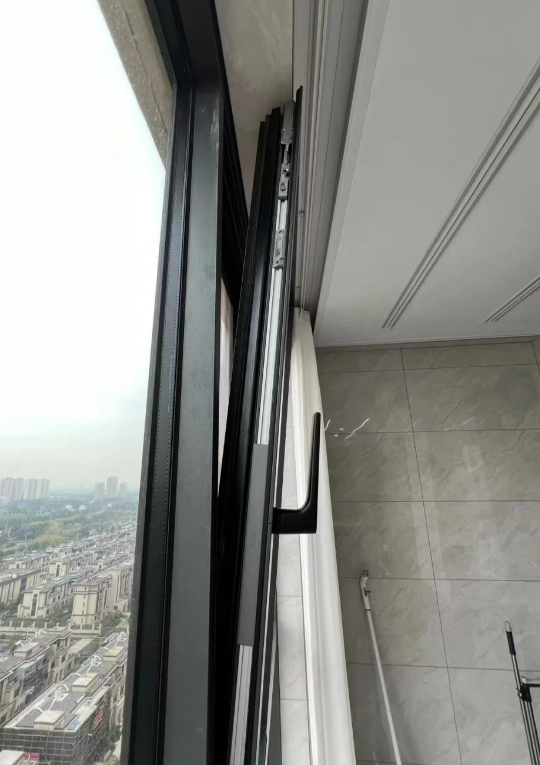
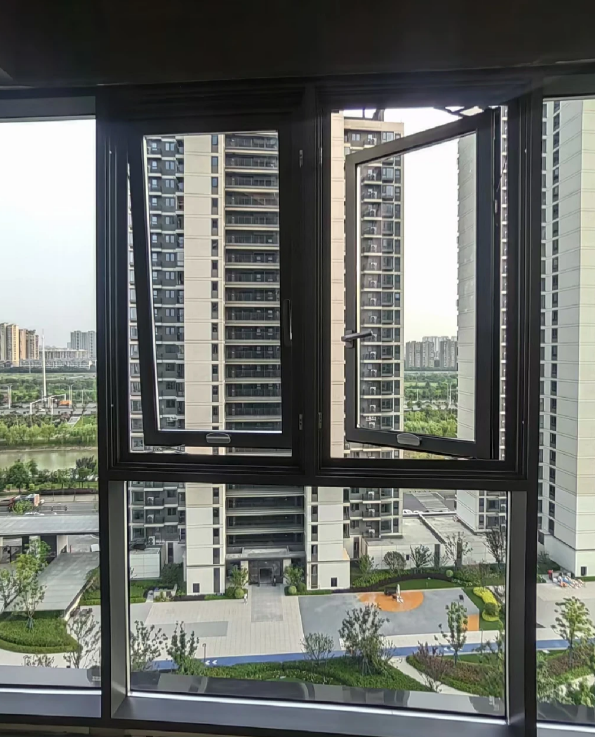
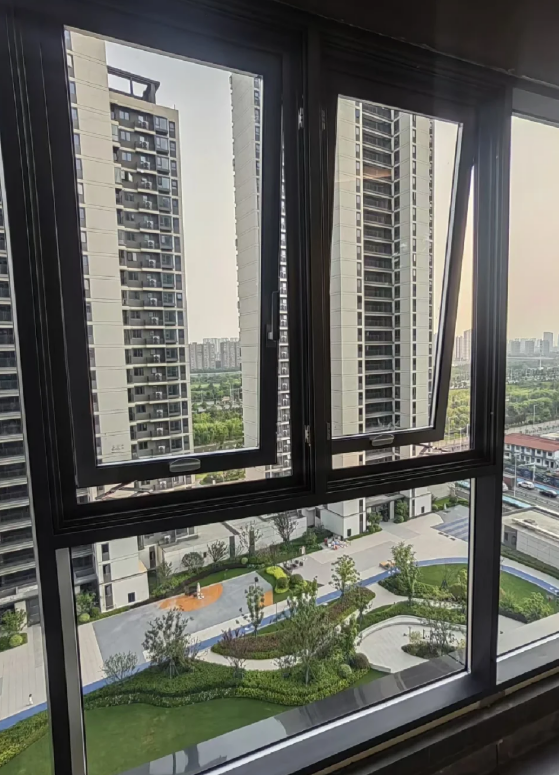
As características de economia de espaço das janelas de folha fixa com abertura superior resolvem desafios críticos de projeto na arquitetura moderna, onde as limitações de espaço exterior e a acessibilidade para manutenção impactam significativamente as decisões de seleção de janelas. Diferentemente das janelas de folha fixa que se abrem para fora — e que exigem espaço livre no exterior para funcionamento completo — a pegada compacta de abertura da janela de folha fixa com abertura superior permite sua instalação em locais com paisagismo, calçadas, decks ou estruturas adjacentes, que interfeririam no funcionamento convencional de janelas. Essa flexibilidade de projeto revela-se inestimável em ambientes urbanos, onde a proximidade entre edifícios gera restrições espaciais, bem como em aplicações residenciais, nas quais elementos exteriores, como jardins, pátios ou equipamentos externos, limitam as opções tradicionais de posicionamento de janelas. A projeção mínima ao ser aberta garante a passagem segura de pedestres e evita danos a elementos exteriores, mantendo, ao mesmo tempo, plena funcionalidade de ventilação. As vantagens de manutenção das janelas de folha fixa com abertura superior decorrem da configuração acessível dos componentes mecânicos e dos sistemas simplificados, que reduzem os requisitos de serviço e prolongam a vida útil operacional. Os mecanismos de dobradiça expostos permitem inspeção, limpeza e lubrificação fáceis, sem necessidade de ferramentas especializadas ou chamadas técnicas profissionais para tarefas rotineiras de manutenção. O design direto elimina sistemas complexos de guias, polias ou mecanismos de contrapeso, presentes em outros tipos de janelas, que frequentemente exigem ajuste ou substituição devido ao desgaste e à exposição ambiental. O sistema de drenagem integrado ao perfil da estrutura impede o acúmulo de água, causa comum de corrosão e problemas operacionais em outros estilos de janelas. A manutenção periódica envolve procedimentos simples, como limpeza das superfícies de vidro, lubrificação dos pontos de rotação e verificação da integridade das vedações contra intempéries — tarefas que a maioria dos proprietários pode executar de forma independente. A durabilidade dos componentes das janelas de folha fixa com abertura superior resulta de um projeto de engenharia concebido para suportar ciclos repetidos de abertura e fechamento, mantendo, ao mesmo tempo, o alinhamento adequado e o desempenho de vedação. Os materiais selecionados para componentes críticos resistem à corrosão, à dilatação térmica e à degradação por radiação UV, fatores que normalmente comprometem, ao longo do tempo, o funcionamento das janelas. A operação mecânica simplificada reduz a tensão sobre os componentes de hardware, comparada aos mecanismos complexos de deslizamento ou rotação, resultando em menos falhas e intervalos mais longos entre serviços. Gestores prediais profissionais e equipes de manutenção de instalações preferem as janelas de folha fixa com abertura superior para aplicações comerciais, pois os requisitos previsíveis de manutenção e a facilidade de acesso simplificam o agendamento e o orçamento para a manutenção contínua. A confiabilidade do projeto assegura desempenho consistente com intervenções mínimas, reduzindo interrupções operacionais e custos associados, ao mesmo tempo que mantém o conforto dos ocupantes e a integridade da envoltória do edifício durante toda a vida útil prolongada da janela.