patag na ilaw
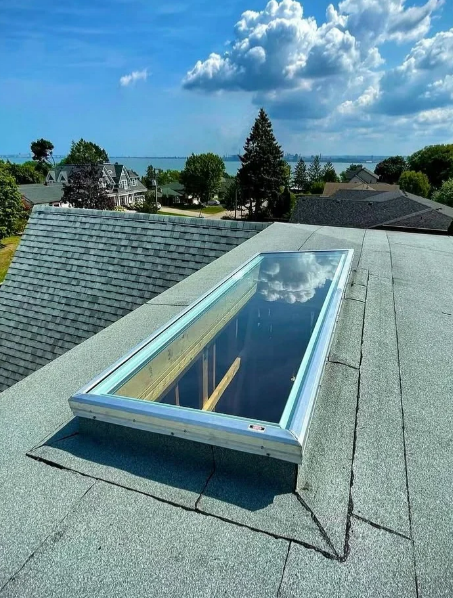
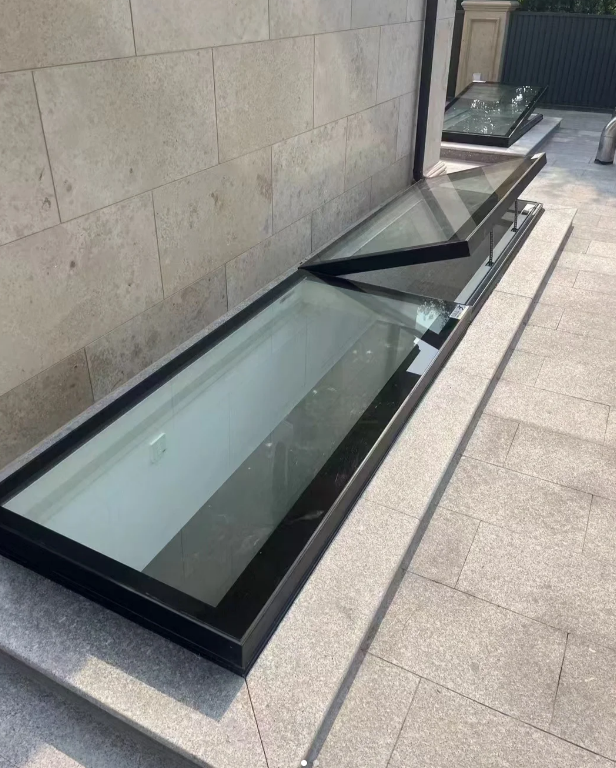
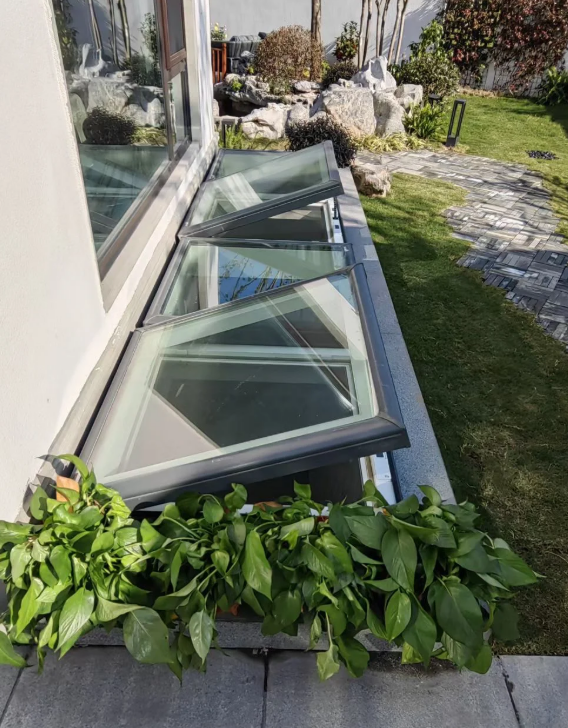
Ang isang patag na skylight ay kumakatawan sa isang modernong arkitektural na solusyon na dinala ang likas na liwanag sa loob ng mga espasyo sa pamamagitan ng isang pahalang o mababang takip na bukas sa bubong. Hindi tulad ng tradisyonal na dome-shaped na skylight, ang patag na skylight ay may manipis at minimalistang profile na nakaupo nang halos pantay sa linya ng bubong, na lumilikha ng isang sopistikadong estetika habang pinapanatili ang kahusayan ng istruktura. Ang mga inobatibong sistema ng salamin na ito ay binubuo karaniwan ng maraming layer ng mataas na performansang salamin na suportado ng matibay na frame na gawa sa aluminum o bakal, na idinisenyo upang tumagal sa iba't ibang kondisyon ng panahon tulad ng ulan, snow, at ekstremong temperatura. Ang patag na skylight ay sumasali sa mga advanced na teknolohiya ng salamin tulad ng double o triple-pane na insulated glass units, low-emissivity coatings, at puno ng argon gas upang maksimunin ang kahusayan sa enerhiya at thermal performance. Ang mga modernong patag na skylight ay madalas na mayroong integrated drainage systems na epektibong dinadala ang tubig palayo sa istruktura, na nagpapigil sa mga sira dahil sa pagbubuhos ng tubig at pinsala sa tubig. Ang manipis na disenyo ay nagbibigay-daan sa mga arkitekto at may-ari ng bahay na punuin ang loob na espasyo ng araw na liwanag habang pinapanatili ang malinis at kontemporaryong linya na umaayon sa mga modernong disenyo ng gusali. Ang mga opsyon sa pag-install ay iba-iba mula sa mga fixed unit hanggang sa mga operable na bersyon na nagbibigay parehong ilaw at ventilasyon. Ang patag na skylight ay may maraming layunin bukod sa pangunahing pagbibigay-liwanag, kabilang ang pagbawas sa gastos sa artipisyal na ilaw, pagpapabuti ng kalidad ng hangin sa loob kapag operable, at paglikha ng visual na koneksyon sa kapaligiran sa labas. Ang mga sistemang ito ay inenginyero upang tumugon sa mahigpit na building codes at standard sa enerhiya, at madalas na nakakatulong sa pagkamit ng green building certifications. Ang versatility ng patag na skylight ay ginagawa silang angkop para sa residential, commercial, at institutional na aplikasyon, mula sa pribadong bahay at opisina hanggang sa mga paaralan at pasilidad ng pangangalagang pangkalusugan. Ang advanced na mga teknik sa pagmamanupaktura ay tiyakin ang eksaktong pagkakasya at pagkakatapos, samantalang ang mga teknolohiya sa weather sealing ay nagbibigay ng pangmatagalang proteksyon laban sa mga elemento. Ang disenyo ng patag na skylight ay pinakamaksimum ang glazed area habang pinakaminimize ang kabuuang profile, na ginagawa itong ideal na pagpipilian para sa mga gusali na may limitasyon sa taas o mga kinakailangan sa estetika na nangangailangan ng subtle na integrasyon sa umiiral na arkitektura ng bubong.