mga pintuang buhay sa steel
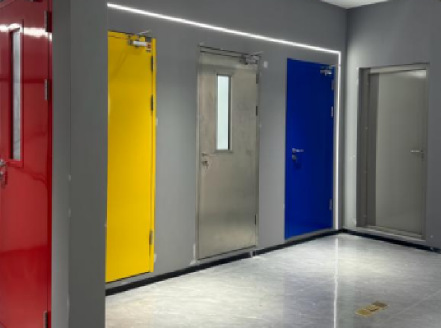
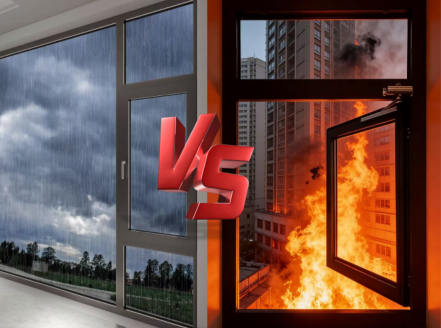
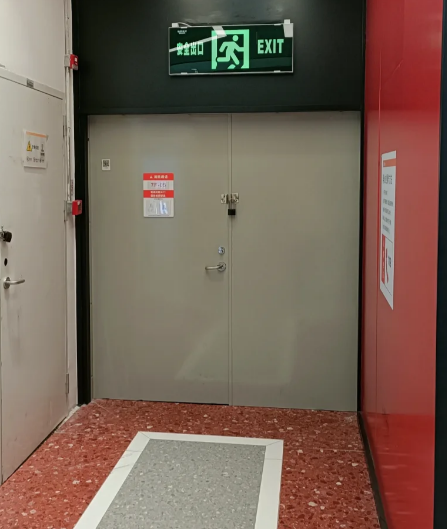
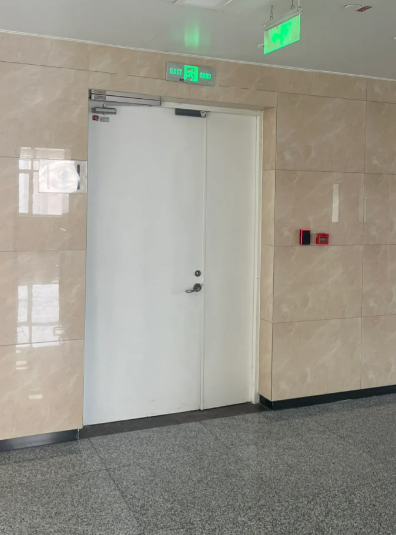
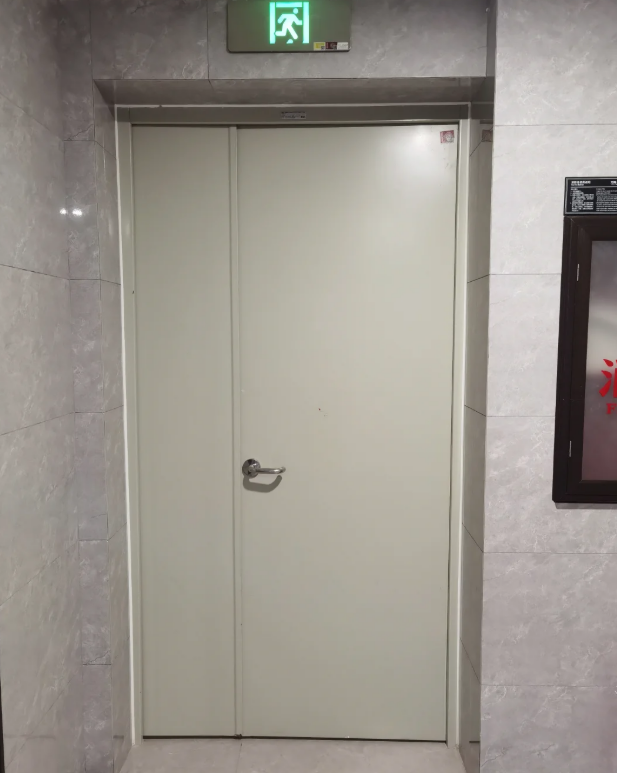
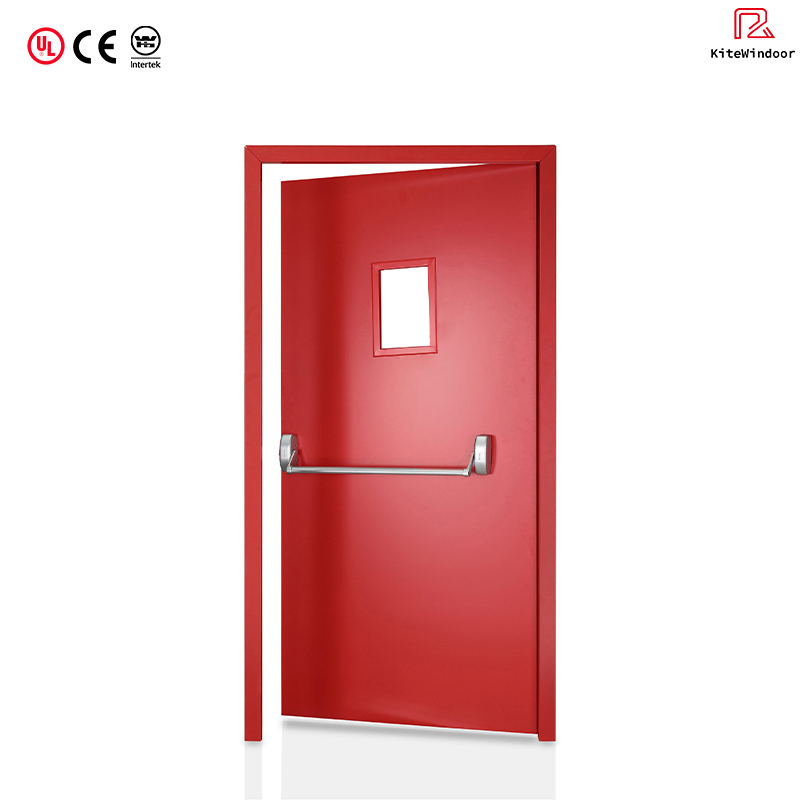
Ang mga pinto ng bakal para sa emergency exit ay kumakatawan sa isang mahalagang bahagi ng imprastruktura ng kaligtasan ng gusali, na idinisenyo upang magbigay ng ligtas at maaasahang daanan sa labas (egress) sa panahon ng mga emergency na sitwasyon. Ang mga espesyalisadong pintong ito ay nagkakasama ng matibay na konstruksyon at mga advanced na tampok para sa kaligtasan upang matiyak ang proteksyon ng mga tao sa loob habang pinapanatili ang seguridad ng gusali sa panahon ng karaniwang operasyon. Ang mga pinto ng bakal para sa emergency exit ay inenginyero upang tumagal sa mga ekstremong kondisyon, kabilang ang mataas na temperatura, mga pagtatangka ng forced entry, at matinding paggamit, kaya sila ay isang mahalagang investisyon para sa mga komersyal, industriyal, at institusyonal na pasilidad. Ang pangunahing tungkulin ng mga pinto ng bakal para sa emergency exit ay nakatuon sa pagpapadali ng mabilis at ligtas na evacuasyon sa panahon ng mga emergency tulad ng sunog, mga kalamidad dulot ng kalikasan, o mga banta sa seguridad. Ang mga pintong ito ay may panic hardware na nagpapahintulot sa agarang pagbukas gamit ang kaunting puwersa lamang, kahit sa mga mataas na antas ng stress kung saan maaaring nalilito o natakot ang mga taong nasa loob. Ang konstruksyon na gawa sa bakal ay nagbibigay ng exceptional na tibay at resistensya sa mga kadahilanan ng kapaligiran, na nagpapagarantiya ng pare-parehong performance sa mahabang panahon. Kasama sa mga teknolohikal na tampok ng mga pinto ng bakal para sa emergency exit ang mga fire-rated na kakayahan na kayang tumagal sa mga temperatura na lampas sa 1000 degrees Fahrenheit sa isang tiyak na tagal ng panahon—karaniwang mula 20 minuto hanggang 3 oras, depende sa mga building code at mga kinakailangan sa kaligtasan. Ang mga advanced na locking mechanism ay may kasamang electromagnetic o mekanikal na sistema na awtomatikong nagre-release kapag may power failure o kapag aktibo ang mga fire alarm system. Maraming modelo ang may integrated na alarm system na nagpapaalala sa mga tauhan ng seguridad kapag binubuksan ang mga pinto nang hindi wasto, na tumutulong sa pagpanatili ng seguridad ng gusali habang sinisiguro ang madaling access sa panahon ng emergency. Ang mga modernong pinto ng bakal para sa emergency exit ay kadalasang may mga opsyon para sa wireless connectivity upang mapagmonitor nang remote at maisama sa mga building management system. Ang mga aplikasyon ng mga pinto ng bakal para sa emergency exit ay sakop ang maraming sektor, kabilang ang mga ospital, paaralan, opisina, mga pasilidad sa pagmamanupaktura, mga establisimyento sa retail, at mga gusaling pamahalaan. Ang mga pintong ito ay gumagampan ng papel bilang primary o secondary egress routes, depende sa layout ng gusali at sa mga kinakailangan sa occupancy. Sa mga pasilidad ng pangangalagang pangkalusugan, ang mga pinto ng bakal para sa emergency exit ay nagbibigay ng mahalagang daanan para sa evacuasyon habang pinapanatili ang mga protocol sa pagkontrol ng impeksyon. Ang mga institusyong pang-edukasyon ay umaasa sa mga pintong ito upang protektahan ang mga mag-aaral at tauhan sa iba’t ibang emergency na sitwasyon, samantalang ginagamit ng mga pasilidad sa industriya ang mga ito upang matiyak ang kaligtasan ng mga manggagawa sa mga kapaligiran na may mataas na antas ng panganib.