
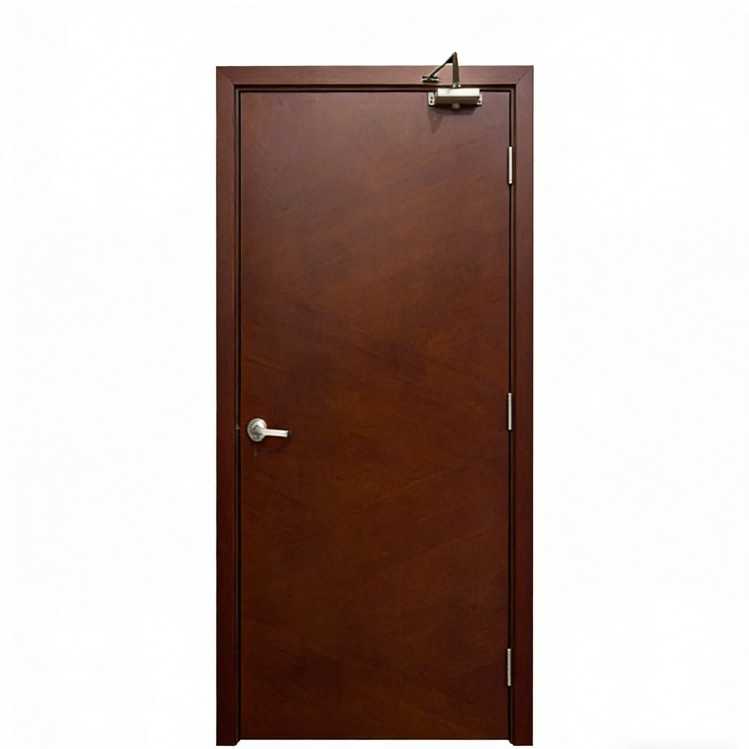
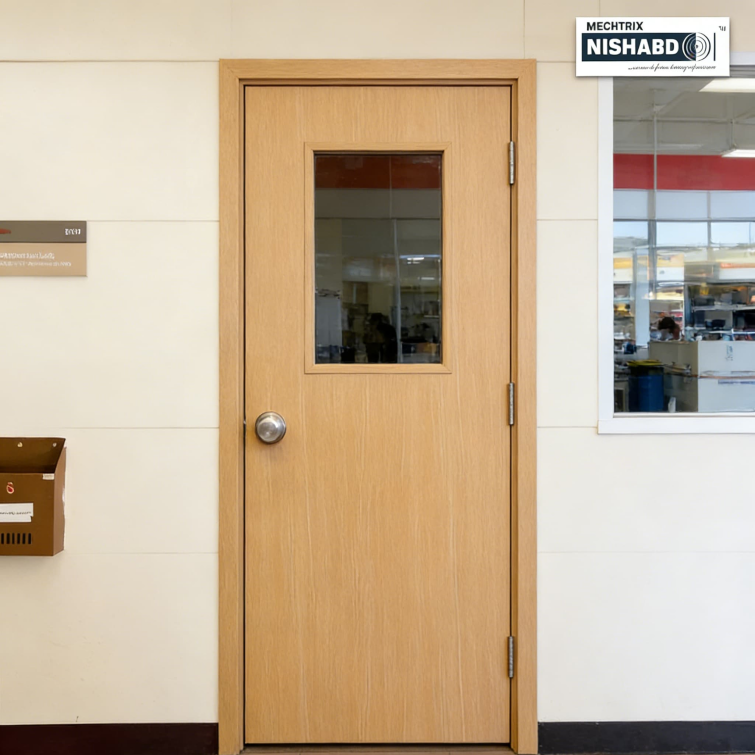
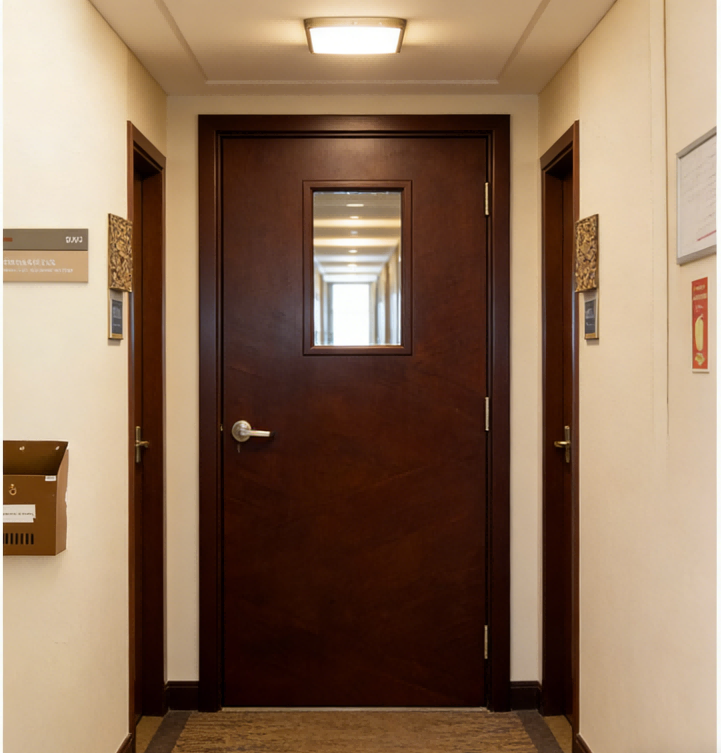
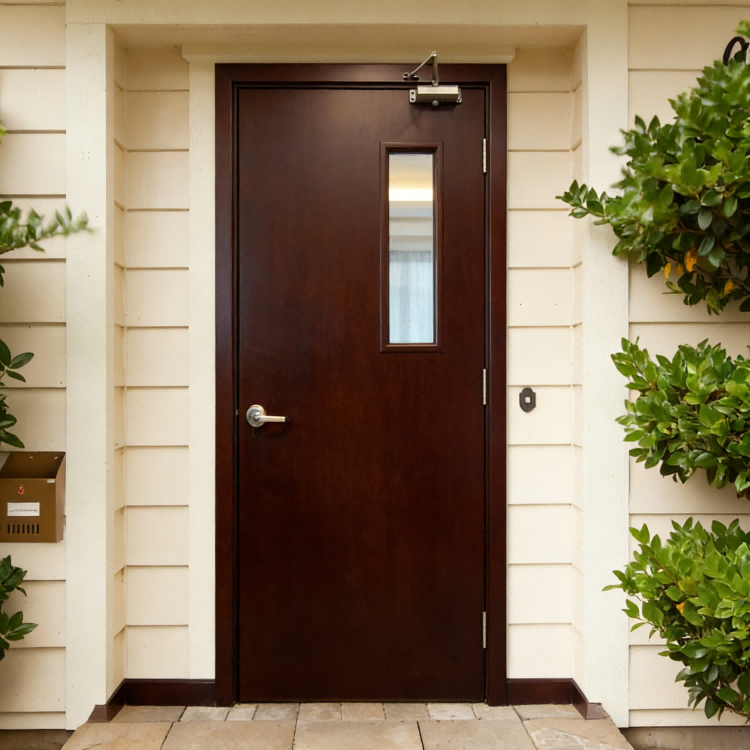
UL certified fireproof wooden doors for hotels, guest rooms, and apartments. OEM and size customization available
- Overview
- Recommended Products
Product Overview
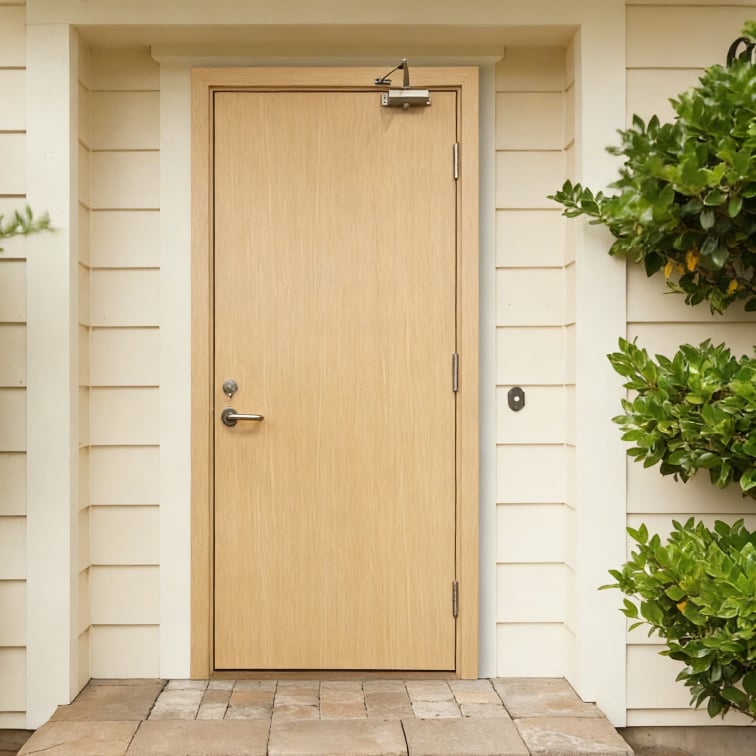
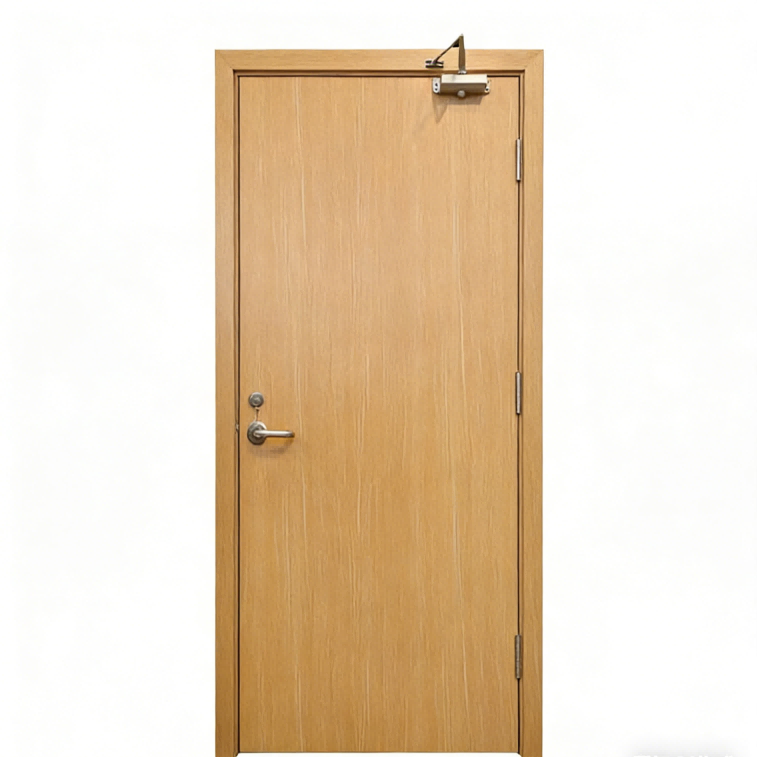
Wooden fireproof doors are the core product for fireproof separation in building fire protection. The product is made with treated wood as the base material, integrating fireproof and heat insulation filling materials and special hardware accessories. It not only has the prescribed fire resistance limit and can effectively prevent the spread of flames, high temperatures, and toxic smoke, but also retains the natural texture and decorative quality of wood materials, achieving the dual values of "fire safety" and "esthetic compatibility". It is widely used in residential, office buildings, shopping malls, hospitals, schools and other various civil and industrial buildings.
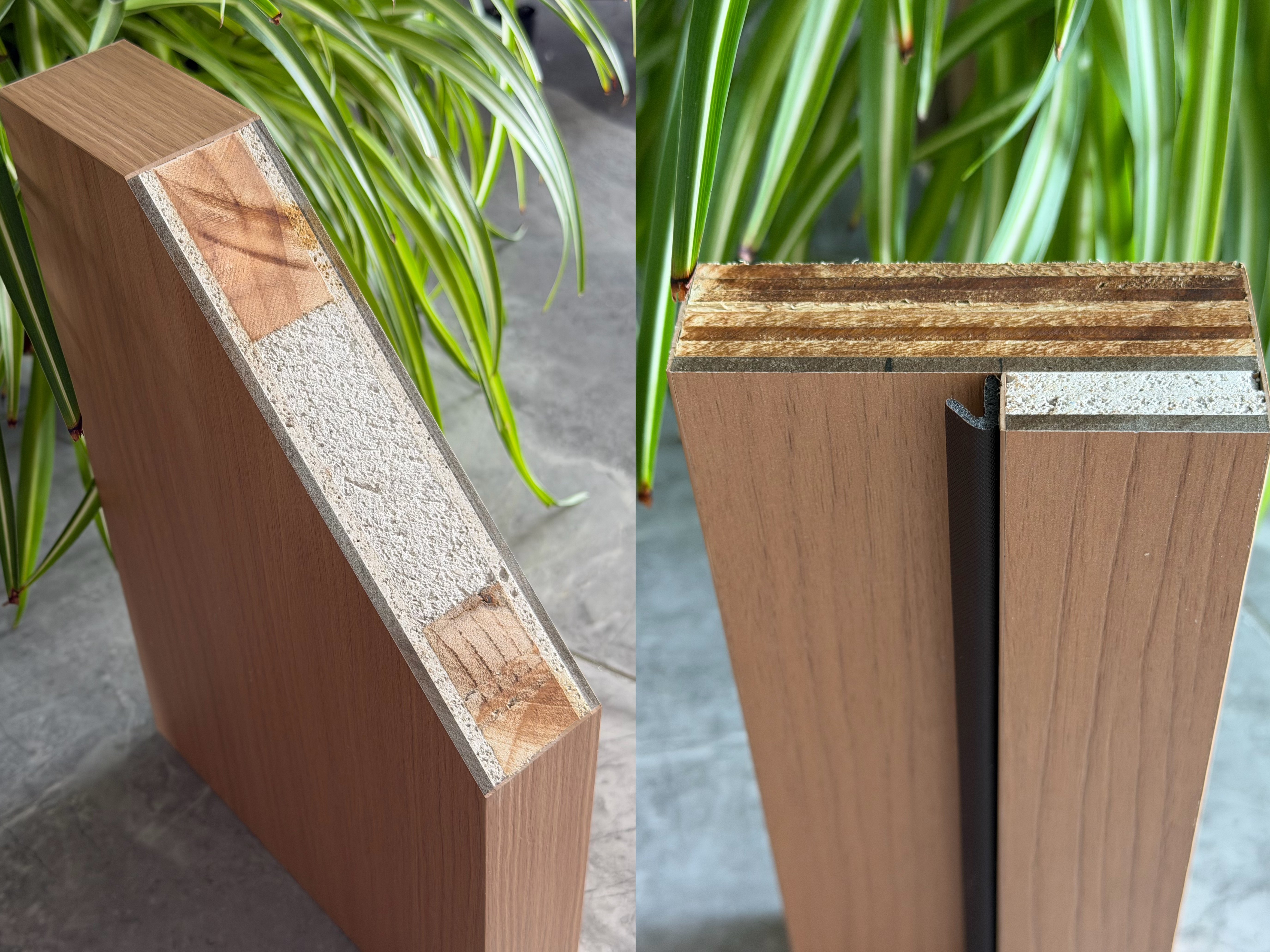
Core Structure and Material Selection
(1) Overall Structure
The product adopts an "frame - filling - panel - accessories" integrated design, optimizing the structural stability and fire resistance performance together:
1. Door frame: Selecting treated wood with high-pressure impregnation fireproof treatment or integrated wood, with the moisture content strictly controlled within 8%-12%, avoiding deformation caused by temperature and humidity changes; the inner side of the door frame is equipped with a sealing groove, and a graphite-based fireproof expansion sealing strip is embedded, which will rapidly expand to 3-5 times the original volume within 30 seconds after fire, tightly sealing the gap between the door panel and the door frame, blocking the path of smoke penetration.
2. Door panel:
- Frame: Made by splicing flame-retardant wood strips, with a spacing of ≤300mm, ensuring the overall load-bearing and anti-deformation ability of the door panel;
- Filling layer: Core fireproof material, no formaldehyde release, heat insulation coefficient ≤ 0.04W/(m·K), continuously blocking high-temperature conduction during a fire;
- Panel: The outer layer is adhered with flame-retardant plywood, medium-density fiberboard or natural wood veneer decorative board, the surface can be treated with paint, wood wax oil, etc., with natural texture, suitable for different decoration styles;
- Special structure: Products with observation windows are equipped with fireproof glass (matching the fire resistance performance and door grade), the glass is fixed around with fireproof sealant to ensure the overall fireproof integrity.
(2) Key Material Standards
Component Material Requirements Execution Standard
Base material wood Non-combustible B1 grade, without decay, insect damage, or cracks
Fireproof filling Non-combustible A grade, non-toxic, odorless, no radioactivity
Adhesive High-temperature resistance ≥ 1000℃, environmentally friendly E0 grade
Fireproof hardware High-temperature resistance ≥ 900℃, opening times ≥ 100,000 times III. Core Performance Parameters
(1) Fire Resistance Grade Classification
Grade Fire Resistance Time (Integrity + Insulation) Applicable Scenarios
Class A ≥ 1.50h (Integrity + Insulation) Power distribution room, fire control room, valuable equipment room, fire partition wall
Class B ≥ 1.00h (Integrity + Insulation) Evacuation staircase, smoke-proof staircase vestibule, residential entrance door, office partition
Class C ≥ 0.50h (Integrity) Pipeline well, cable well, garbage chute, equipment pipe well inspection door
(2) Key Physical Properties
- Door Panel Thickness: Class A 50mm/55mm, Class B 45mm/50mm, Class C 40mm/45mm;
- Closing Time: With fire-resistant door closer, the automatic closing time of the door panel is 3-8 seconds, without rebound or jamming;
- Sealing Performance: The gap between the door panel and the door frame is ≤ 3mm, the gap between the door panel and the ground is ≤ 5mm;
- Environmental Protection Index: Formaldehyde emission ≤ 0.124mg/m³, in accordance with GB/T 39600—2021 E0 standard.
Installation and Maintenance Specifications
(1) Installation Requirements
1. Before installation, check the door opening size and door body specifications to ensure the reserved gap meets the installation standards (the gap between the door frame and the wall ≤ 20mm);
2. Door frame fixation uses expansion bolts or pre-buried iron parts connection, do not directly weld (to avoid damaging the flame retardant layer);
3. After door panel installation, adjust the hinges to ensure smooth opening and closing, the door closer, sequence device operate smoothly, without abnormal sounds;
4. After installation, clean the surface of the door body, do not leave cement mortar and other corrosive substances.
(2) Daily Maintenance
1. Avoid sharp objects hitting or scratching the door panel, do not drill holes or cut slots on the door body (to avoid damaging the fireproof structure);
2. Regularly (every quarter) check the fire-resistant door closer, hinges, locks and other hardware accessories, add lubricating oil to ensure normal function;
3. If the fireproof expansion sealing strip is aged, cracked or shed, it needs to be replaced in time (suggested to check once a year);
4. Door surface stains can be wiped with a damp cloth, do not use strong acid or alkali cleaning agents;
5. Do not privately dismantle or replace door body components (especially fireproof hardware and filling layer), otherwise the fireproof performance will be lost.
Applications:
Scope of Application
- Civil Buildings: Residences, apartments, office buildings, shopping malls, hotels, hospitals, schools, nursing homes, etc.;
- Industrial Buildings: Factories, warehouses, office buildings, machine rooms, etc. (must comply with corresponding fire protection zone requirements);
- Special Locations: Restoration of cultural relics and ancient buildings, unique guesthouses, high-end clubs, etc. (requiring both decorative and fire safety features).
Advantages:
Product Advantages
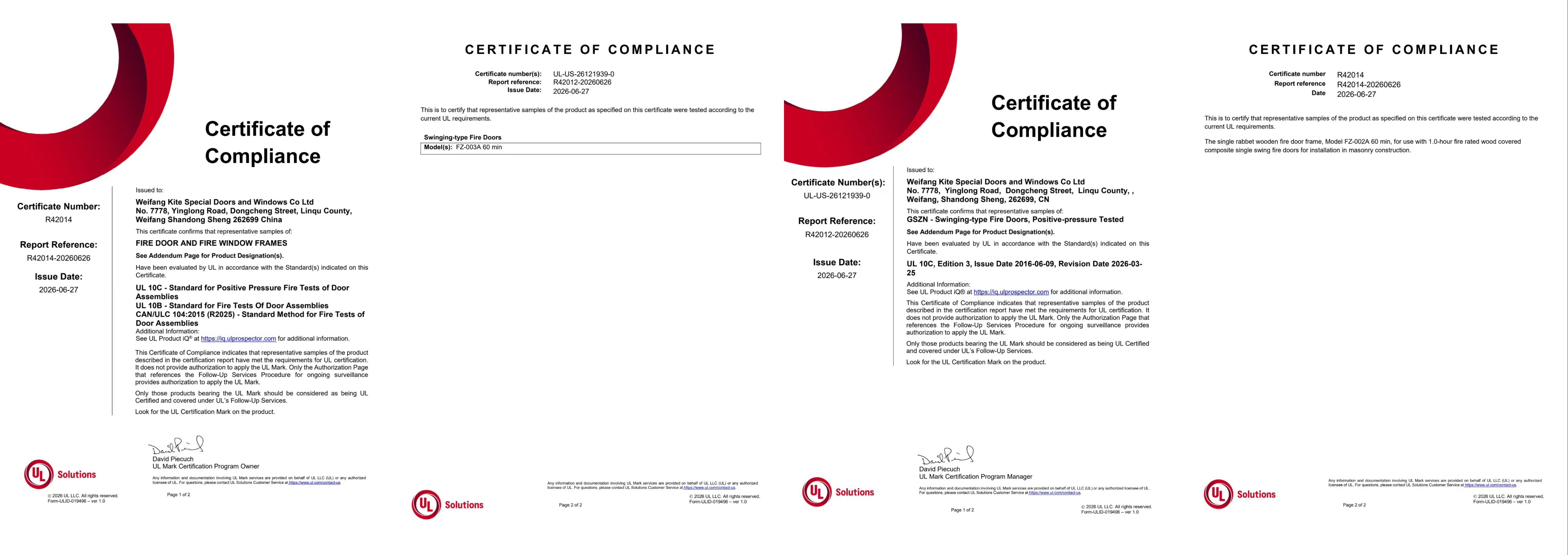
1. Safe and Reliable: All product series have obtained the National Fire Product Compulsory Certification (CCCF certification). Each batch has been tested by a third-party authoritative institution, and the fire resistance performance compliance rate is 100%.
2. Decorative: Customized wood textures, colors, and shapes are supported. It can be matched with various decoration styles such as Chinese, European, and modern, avoiding the monotony of traditional fireproof doors.
3. Environmentally Friendly and Healthy: Using non-Aldehyde flame-retardant technology and environmentally friendly auxiliary materials, there are no irritating odors. It complies with indoor air quality standards and is suitable for scenarios with high environmental protection requirements such as residences and hospitals.
4. Installation Convenient: Installation holes are reserved in the door frame, and special fixing parts are used. It can be adapted to various wall structures such as concrete, brick walls, and light steel keel, with high installation efficiency.
5. Excellent Durability: The wood undergoes three-layer treatments of pest prevention, anti-corrosion, and moisture prevention. The hardware accessories use stainless steel or high-temperature spraying technology, with a service life of ≥ 15 years.
FAQ:
1. Can wooden fireproof doors really prevent fire?
Yes. The wood used in wooden fireproof doors undergoes strict flame retardant treatment. The interior is filled with non-combustible insulation materials such as silica-alumina fiber cotton and rock wool, combined with fireproof expansion sealing strips and special fireproof hardware. The overall product complies with the GB 12955—2008 "Fireproof Doors" standard. It can prevent the spread of flames and smoke within the specified fire resistance time, providing time for personnel evacuation and fire rescue.
2. What are the differences between wooden fireproof doors and steel fireproof doors?
The core difference between the two lies in the material and application scenarios. Wooden fireproof doors have a warm texture and strong decorative properties, suitable for indoor environments such as residences and office buildings; steel fireproof doors are hard and have good anti-theft performance, mostly used in areas with higher requirements for protection such as factories, warehouses, and corridors. In terms of fire resistance performance, as long as they meet the corresponding standards, both can meet the fire protection requirements.
3. How are the fire resistance grades of wooden fireproof doors classified?
According to national standards, they are divided into three levels: A, B, and C. The core basis is the fire resistance limit:
- Class A: Fire resistance limit ≥ 1.5 hours, suitable for important fireproof partitions such as power distribution rooms and valuable equipment rooms;
- Class B: Fire resistance limit ≥ 1.0 hour, suitable for residential entrance doors, evacuation stairwell doors, etc.;
- Class C: Fire resistance limit ≥ 0.5 hour, suitable for auxiliary areas such as pipe shafts and cable shafts.
4. Do wooden fireproof doors need regular maintenance?
Yes. Daily maintenance should avoid sharp objects scratching the door panel, prevent the door panel from coming into contact with water or corrosive liquids; regularly check the fireproof door closers, hinges, locks and other hardware components to ensure smooth opening and closing; if the fireproof expansion sealing strips become aged or fall off, they need to be replaced in time to avoid affecting the sealing and fire prevention effect.
5. Can wooden fireproof doors be customized in size and style?
OK. Regular manufacturers can customize non-standard door bodies according to the dimensions of the building door openings. They also offer the option to choose different wooden decorative panels and pattern styles. Additionally, they can install fire-resistant glass windows that match the fire resistance rating of the door body. However, the customized products must ensure overall compliance with fire safety standards and obtain fire safety certification.
6. Will the wooden fireproof door get damp and deform?
Qualified products have their wood moisture content strictly controlled within 12% and undergo both moisture-proof and flame-retardant treatments. They are unlikely to deform under normal indoor conditions. If exposed to a humid environment (such as a basement), it is recommended to choose a material with stronger moisture-proof properties or take moisture-proof measures to prevent the door from getting damp and damaged.
7. Does a wooden fireproof door need fire safety inspection after installation?
Yes. Wooden fireproof doors are considered fire safety products. After installation, they need to be included in the overall fire safety inspection of the building. During the inspection, the fire safety certification certificate and inspection report of the product must be provided to ensure that both the product and the installation comply with relevant regulations. Only after passing the inspection can they be put into use.
8. Can the fireproof hardware of the wooden fireproof door be replaced with ordinary hardware?
No. Fireproof hardware (fireproof door closers, fireproof hinges, fireproof locks, etc.) are key components that ensure the fire resistance performance of the door body. They have the characteristics of high-temperature resistance and anti-fall-off. Ordinary hardware is prone to deformation and failure at high temperatures, which will cause the door body to fail to close properly and lose its fire protection function.