
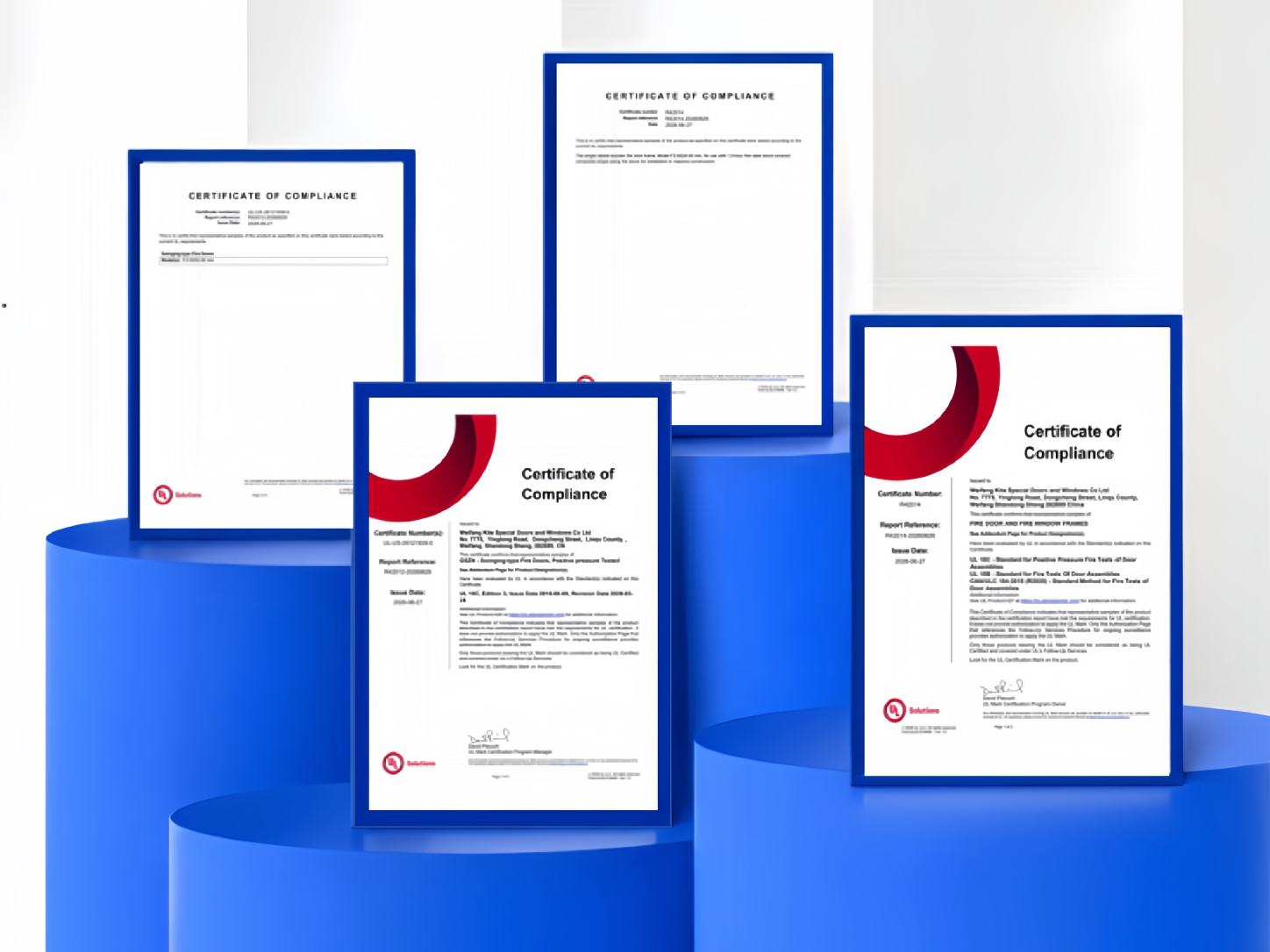
Our company’s wooden fire doors have recently successfully passed the relevant certification audits and received official UL certification. Obtaining this UL certification signifies that our wooden fire doors have been recognized by an authorit...
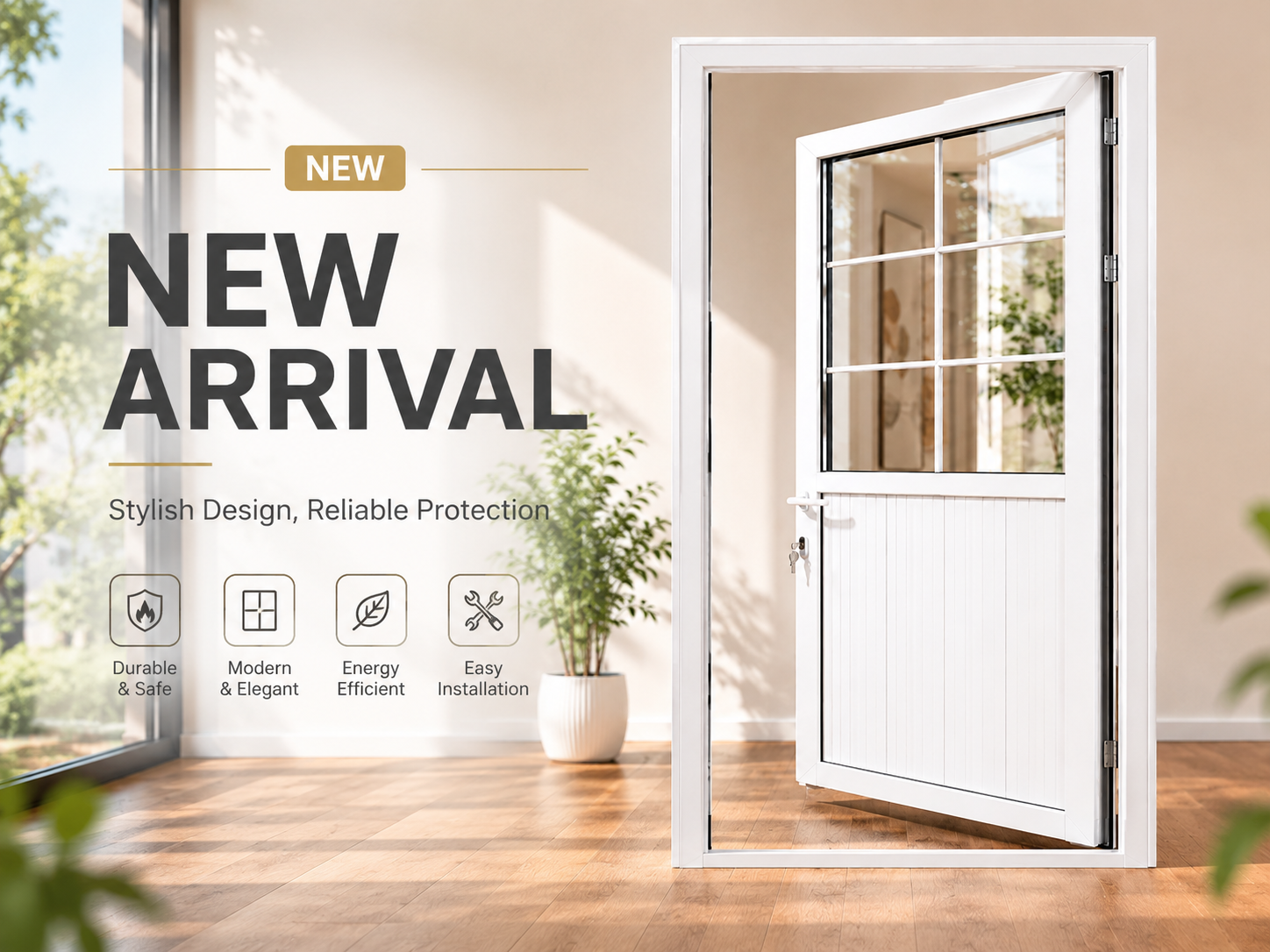
In response to the growing global demand for eco-friendly materials, durability, and personalized designs in the architectural decoration market, we are officially launching our new WPC (Wood-Plastic Composite) door series. This launch represents a ...
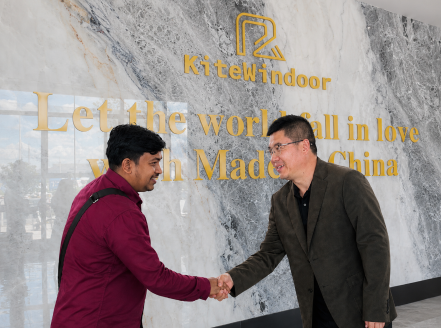
Recently, a delegation of clients from Bangladesh visited our company to conduct an on-site factory inspection and engage in in-depth discussions regarding potential collaboration on steel fire doors. Accompanied by company executiv...
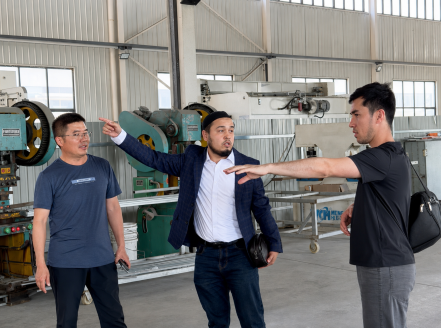
Recently, a delegation of buyers from Uzbekistan visited our factory to conduct an on-site inspection and engage in in-depth discussions regarding potential collaboration on fire-rated door products. The visit focused on touring the company's produc...
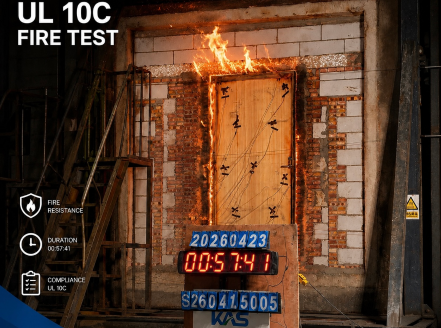
Achieving International Fire Safety Standards We are proud to announce that our hotel fire-rated wooden door series has successfully passed UL fire testing, marking another important milestone in our product quality and international...
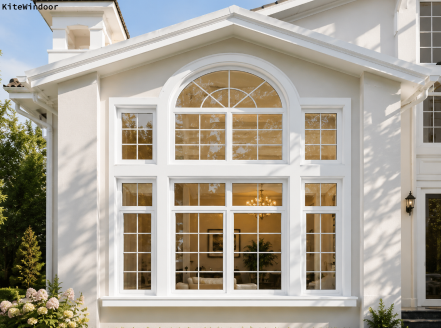
Introducing Our New UPVC Window Collection To meet the growing global demand for energy-efficient, secure, and modern window solutions, our company has officially launched a new UPVC window series, including sliding windows and casement windows. C...
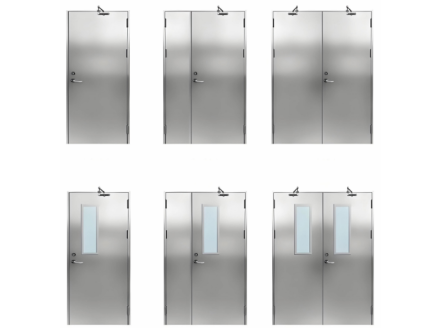
Steel fire doors are categorized into three types based on material: standard steel fire doors, stainless steel fire doors, and steel-wood composite fire doors. Each type has distinct advantages and characteristics, as detailed below:  ...
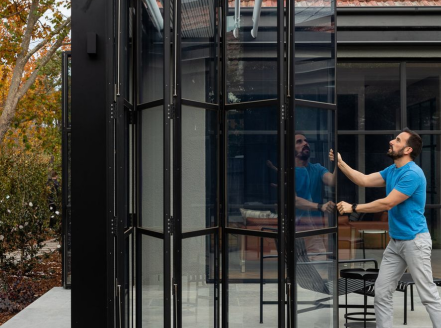
Aluminum Alloy Windows & Doors: Classification, Advantages and Application Scenarios Aluminum alloy windows are categorized by profile structure and processing techniques, with their core advantages lying in performance compatibil...
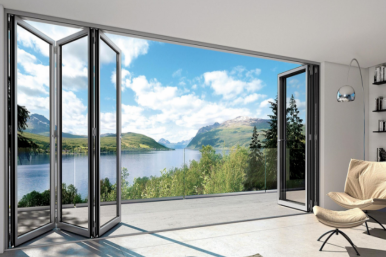
The development of system windows and doors represents a systematic engineering process characterized by "standardized design, precision manufacturing, and rigorous assembly." This approach transcends mere profile assembly, requiring six critical st...
