
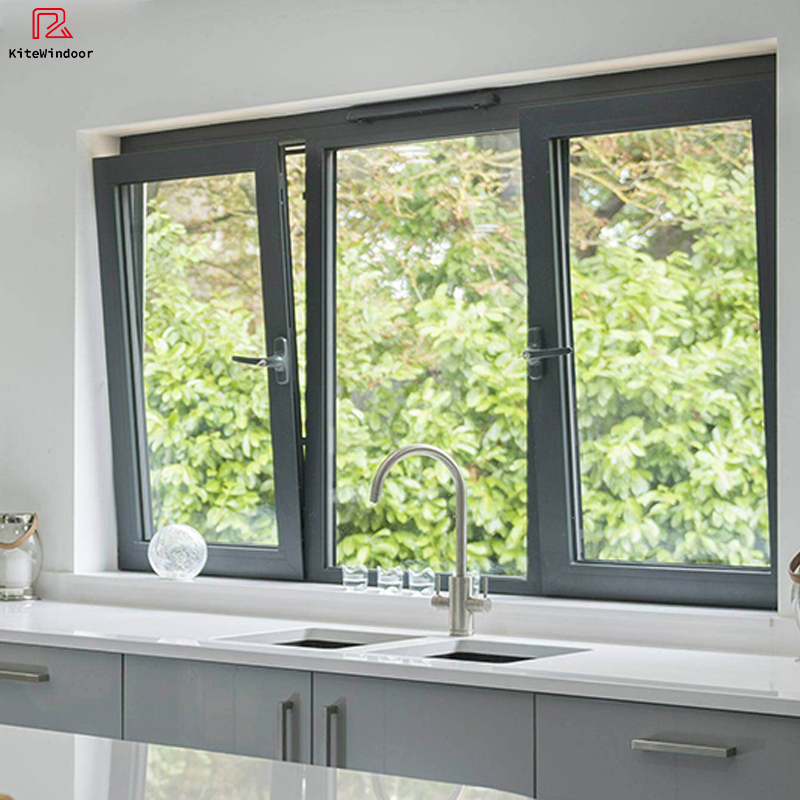
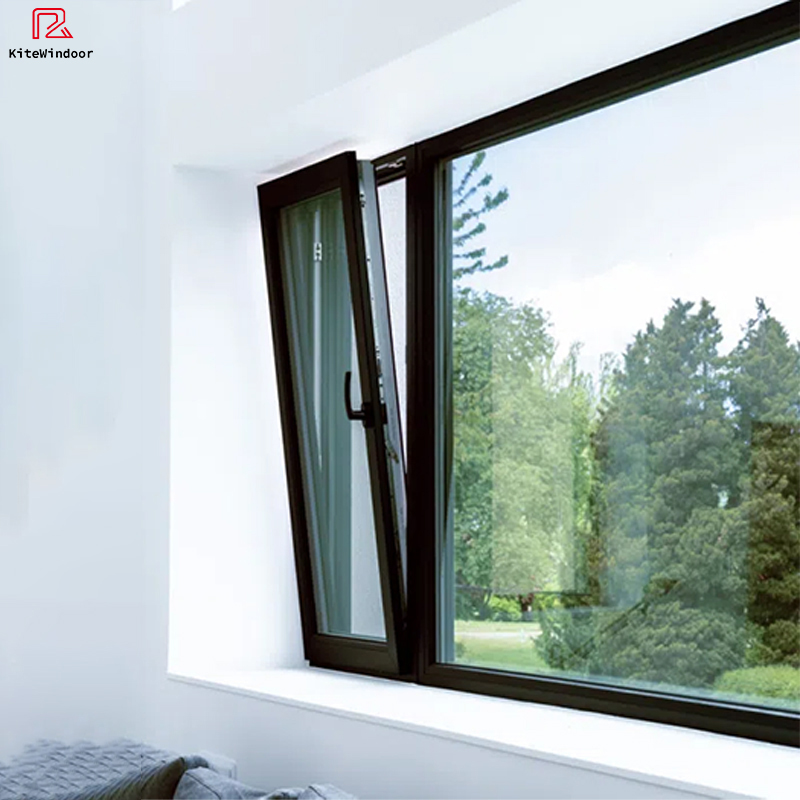
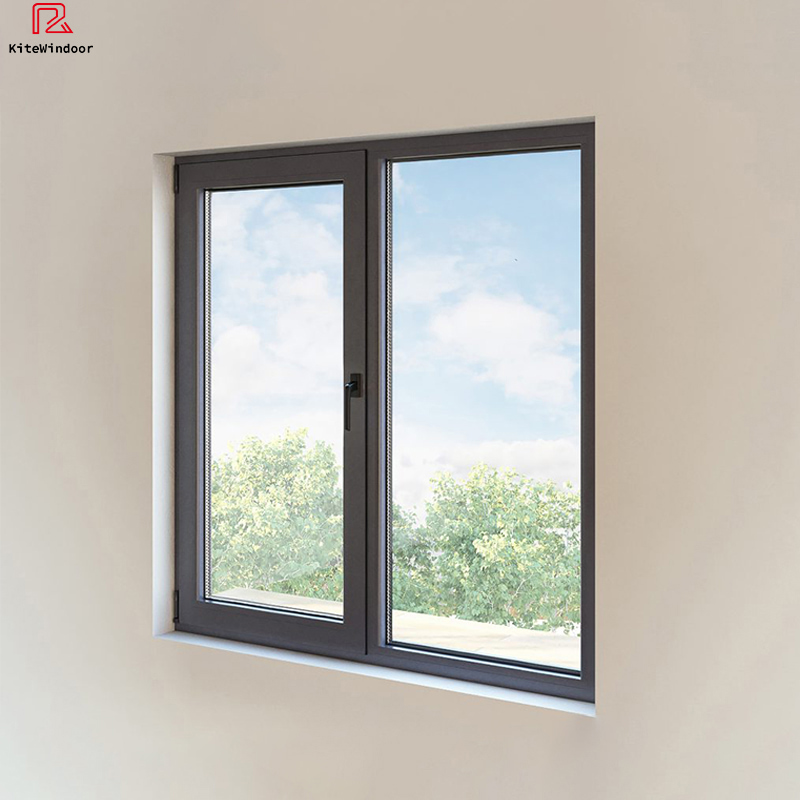
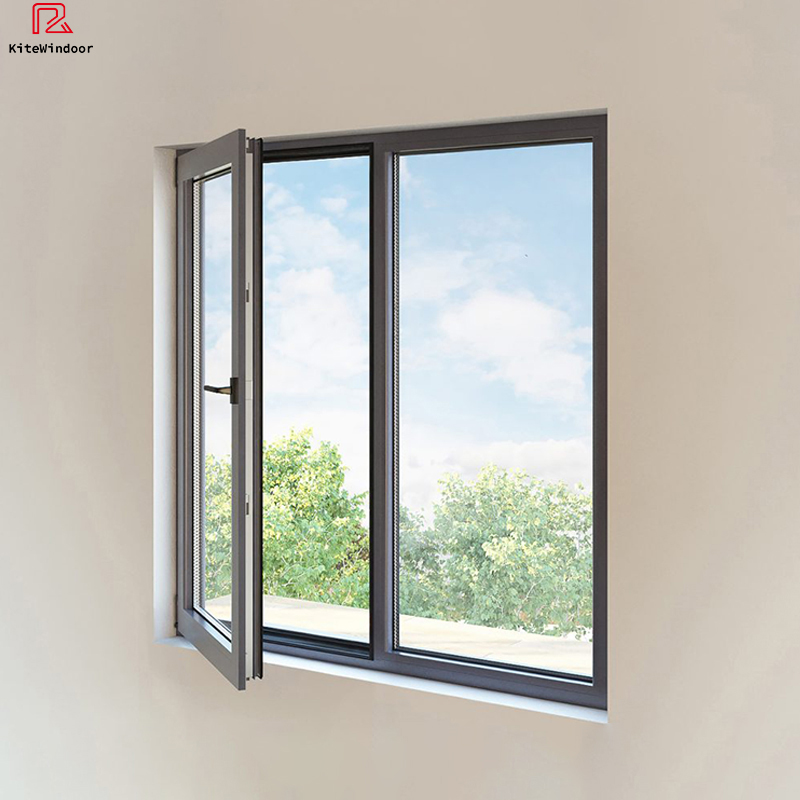
Modern Design Swing Tilt Turn Aluminum Alloy Casement Windows Soundproof Screen with Extra Slim Frame Heat Insulation
- Overview
- Recommended Products
Product Overview
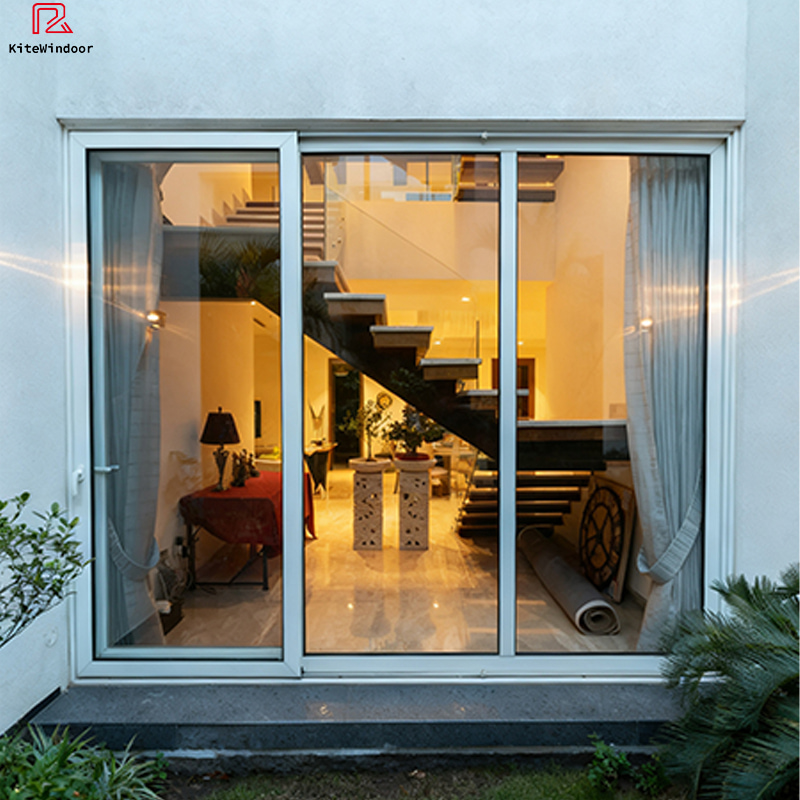
Aluminum alloy sliding windows are the mainstream products in the modern building window system. They are framed with high-strength aluminum profiles, equipped with insulating glass and precise hardware components, and achieve ventilation and sealing requirements through a sliding opening mechanism. The product combines the lightweight, high-strength, corrosion-resistant, and easy-to-process characteristics of aluminum alloy materials, and also has excellent sound insulation, waterproof, dustproof, and security features. It can be customized for appearance color and opening method according to the architectural style, and is suitable for residential, office buildings, hotels, villas, and other various civil and commercial buildings. It is an ideal choice for doors and windows that balance practicality and decoration.
Core Structure and Material Selection
1. Overall Structural Design
The product adopts an integrated structure of "aluminum alloy profile frame - glass assembly - sealing system - hardware components", with a structural design that balances mechanical stability and ease of use:
1. Aluminum alloy profile frame: The main frame is made of high-precision insulation aluminum profiles or ordinary aluminum profiles, with a multi-chamber structure design, with a number of chambers ≥ 3, effectively enhancing insulation and structural strength; the frame joint areas are reinforced with angle brackets + joint glue, with a verticality deviation ≤ 2mm/m, ensuring no deformation or loosening over a long period of use.
2. Glass system: Standard double-layer insulating glass (5 + 12A + 5mm), optional triple-layer insulating glass (5 + 12A + 5 + 12A + 5mm) or Low-E insulating glass, the glass edges use butyl glue + polysulfide glue double-layer sealing, the inert gas filling rate ≥ 90%, effectively blocking heat conduction and noise transmission; special scenarios can be configured with laminated safety glass (PVB film thickness ≥ 0.76mm), with excellent impact resistance, and no splash risk after breaking.
3. Sealing system: Uses EPDM (triple rubber) sealing strips, with characteristics of high temperature resistance (-40℃~120℃), anti-aging, and lasting elasticity, forming multiple sealing structures between the door frame and door panel, the glass and aluminum profile, completely blocking the path of air and water penetration; the drainage system adopts a concealed design, equipped with anti-backflow drainage holes and filters, ensuring rapid drainage of rainwater and avoiding water leakage.
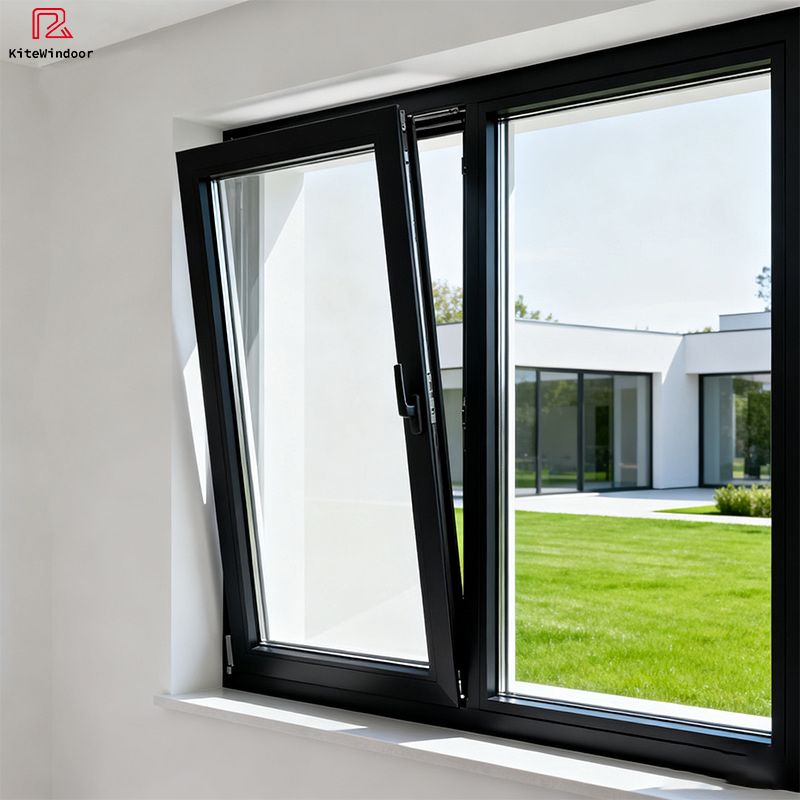
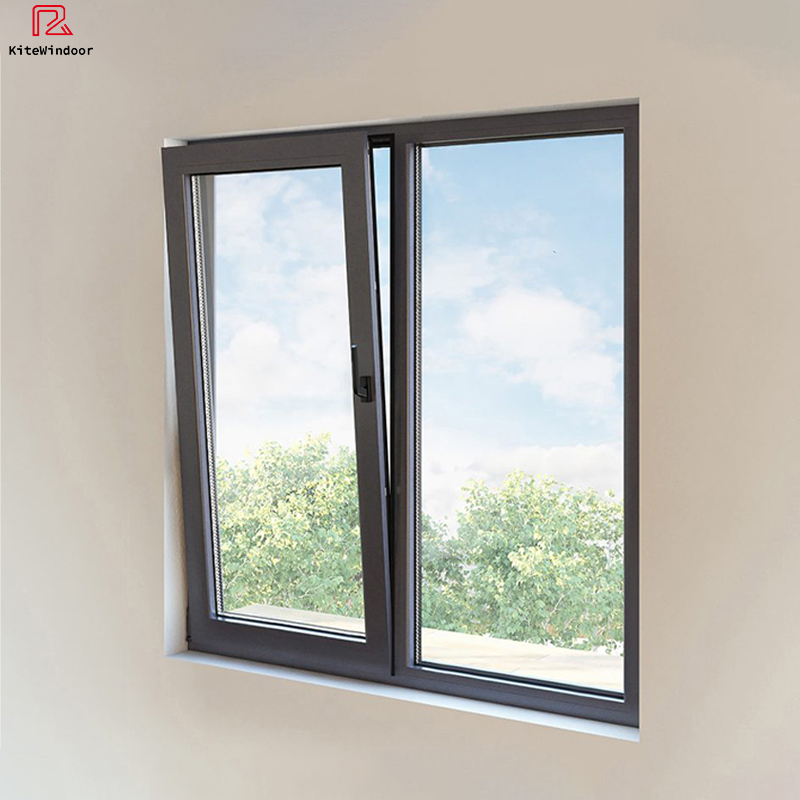
4. Opening mechanism: Includes three mainstream opening methods: internal opening and internal inversion, external opening and upward suspension, and bidirectional sliding opening:
- Internal opening and internal inversion: Combines internal ventilation and internal inversion micro-ventilation functions, avoiding rainwater from entering the room, and facilitating glass cleaning;
- External opening and upward suspension: The opening panel opens outward upwards, saving indoor space, with uniform ventilation, and high safety;
- Bidirectional sliding opening: Can open inward or outward, with an opening angle ≤ 90°, equipped with limiters to prevent excessive opening.
Key Material Standards
Component Material Requirements Execution Standard
Aluminum alloy profiles 6063-T5/T6 grade, wall thickness ≥ 1.4mm (insulation aluminum main profiles ≥ 1.6mm), surface oxide film thickness ≥ 10μm
Glass Float glass sheet, insulating glass dew point ≤ -40℃, Low-E glass shading coefficient 0.2~0.7 (customized as needed)
Sealing strips EPDM (triple rubber), Shore hardness 50~60 degrees, tensile strength ≥ 10MPa
Hardware components Stainless steel/zinc alloy material, salt spray test ≥ 48 hours, opening times ≥ 20,000 times
Adhesive Butyl glue, polysulfide glue, environmentally friendly without odor, aging life ≥ 15 years III. Core Performance Parameters
Basic Performance Indicators
Performance Category Indicator Parameters
Wind Resistance Performance Grade ≥ 4 (wind pressure value ≥ 1.5 kPa), customizable up to Grade 6 (≥ 2.5 kPa)
Water Tightness Performance Grade ≥ 3 (leakage pressure ≥ 500 Pa)
Air Tightness Performance Grade ≥ 6 (air infiltration per unit seam length ≤ 0.5 m³/(m·h))
Sound Insulation Performance Weighted sound insulation of double-pane insulating glass ≥ 30 dB, triple-pane ≥ 35 dB
Heat Insulation Performance Heat transfer coefficient K value of ordinary aluminum alloy profiles ≤ 3.0 W/(㎡·K), bridge aluminum profiles ≤ 2.0 W/(㎡·K)
Safety Performance Impact resistance ≥ 1 grade, anti-theft performance can be selected as A or B grade (compatible with anti-theft hardware)
Installation and Maintenance Specifications
Installation Requirements
1. Before installation, check the opening dimensions to ensure that the verticality and flatness deviation of the opening is ≤ 5 mm, and the reserved installation gap is 15~20 mm;
2. Frame fixation uses expansion bolts or chemical anchor bolts, spacing ≤ 600 mm. The edge frame is filled with polyurethane foam, and the outside is applied with weatherproof sealant to ensure waterproof and sealing;
3. Glass installation needs to fit the profile groove, the sealing rubber strip is without distortion or fracture, there is no hard contact between the glass and the profile, to avoid cracking under force;
4. The installation position of hardware accessories is accurate, fixed firmly, after the opening shutter is debugged, it should achieve smooth opening and closing effect.
Daily Maintenance
1. Avoid sharp objects hitting or scratching the profiles and glass, do not drill or cut holes on the frame (to avoid damaging the structure);
2. Clean the surface of profiles and glass regularly (every half year), use a damp cloth to wipe, do not use strong acid or alkali cleaning agents; if the sealing rubber strip is aged or cracked, it needs to be replaced in time;
3. Hardware accessories need to be regularly (every year) added with lubricating oil to keep the opening flexible; if there is looseness or jamming, it needs to be tightened or replaced in time;
4. Before the rainy season, check if the drainage holes are unobstructed, clean the filter net debris, to avoid water accumulation and leakage;
5. When not in use for a long time, it is recommended to keep the opening shutter closed to avoid damage to the door and window components by strong winds and heavy rain.
Specification and size range
- Width of single door: 500mm - 1200mm, height: 800mm - 2100mm;
- Width of double doors: 1200mm - 2400mm, height: 800mm - 2400mm;
- Door frame adaptation: Customized non-standard specifications can be provided based on actual door opening dimensions, with the maximum door weight ≤ 80kg;
- Material color: Supports powder coating (regular colors: white, gray, brown), fluorocarbon coating (custom colors), wood grain transfer (wood imitation texture), etc. as surface treatment processes.
Scope of Application
- Civil buildings: bedrooms, living rooms, study rooms, balconies and other areas of high-rise residences, garden villas, villas, apartments, etc.;
- Commercial buildings: office areas, guest rooms, public areas of office buildings, hotels, shopping malls, hospitals, schools, etc.;
- Special scenarios: coastal areas (wind pressure resistance and corrosion resistance requirements), noise pollution areas (high sound insulation requirements), energy-saving buildings (low K value requirements), etc.
Product Core Advantages
1. Durability: The aluminum alloy profiles are treated with oxidation and spraying processes, featuring excellent corrosion resistance and UV protection. They do not rust or fade, and have a lifespan of ≥ 20 years. The frame structure is stable and has strong resistance to deformation, suitable for various climate conditions.
2. Energy Conservation and Environmental Protection: The multi-chamber profiles are combined with insulating glass, along with an efficient sealing system, significantly reducing heat exchange between indoors and outdoors, reducing energy consumption for air conditioning and heating, and meeting the standards for green building energy conservation; Low-E glass can selectively block infrared rays, providing insulation in summer and heat retention in winter, enhancing living comfort.
3. Safety and Reliability: The profiles have high strength, paired with tempered glass and anti-pickpocket hardware accessories, offering excellent impact resistance and anti-pickpocket performance; Opening methods such as inward opening and inward tilting can avoid the risk of falling from heights, especially suitable for high-rise residences; Some products can be equipped with child safety locks to ensure family safety.
4. Excellent Decorativeness: Supports various colors and surface treatment processes, can match different decoration styles such as Chinese style, European style, and modern style; The profile lines are simple and smooth, with a large glass area, sufficient lighting area, and enhancing the transparency of the space.
5. Convenient Use: The hardware accessories operate smoothly, opening and closing are lightweight and flexible, without jamming or abnormal sounds; The inward opening design facilitates cleaning of the glass outside, with low maintenance costs; Hidden drainage and sealing system, no additional maintenance required, making use convenient.
FAQ:
1. Which is better, aluminum alloy sliding windows or casement windows?
Both have their own advantages. You can choose based on your needs. The sealing performance and sound insulation and heat insulation effect of the casement windows are better. The opening method is flexible (internal opening, external opening, internal opening and internal reverse), and the ventilation efficiency is high. They are suitable for residences and office buildings that require high living comfort; the sliding windows have the advantage of not occupying space during opening, simple operation, and more affordable prices, making them suitable for large-span spaces such as balconies and passageways.
2. What is the core difference between insulated aluminum alloy casement windows and ordinary aluminum alloy casement windows?
The core difference lies in the heat insulation performance. The insulated aluminum alloy profiles are separated from the aluminum alloy's heat conduction path with insulation strips in the middle, which can significantly reduce the exchange of indoor and outdoor heat, providing better insulation in winter and better heat preservation in summer, with remarkable energy-saving effects; ordinary aluminum alloy profiles have an overall metal structure, with fast heat conduction and poor heat insulation performance, making them more suitable for places with no special requirements for insulation.
3. Can the glass of aluminum alloy casement windows be replaced?
OK. If the glass is damaged, fogged up, or requires upgrading (such as replacing with Low-E insulating glass or laminated safety glass), contact a professional to remove the hardware components and sealant strips and replace them with the same specifications of glass. Note that during the replacement process, ensure the glass fits well with the frame groove and reapply the sealant to avoid affecting the waterproof and soundproof effects.
4. What are the causes of water leakage in aluminum alloy sliding windows? How to solve it?
There are three common causes: first, the drainage holes are blocked, preventing rainwater from draining in time; second, the sealing strips are aging, broken, or not compacted during installation; third, the foaming agent or weather-resistant sealant between the window frame and the wall has cracked. Solution: Regularly clean the drainage holes; replace the aged sealing strips and compact them again; remove the old sealant at the cracked area and reapply foaming agent and weather-resistant sealant.
5. Can the hardware components of aluminum alloy sliding windows be upgraded? How long is their lifespan?
Yes, they can be upgraded. For example, replace the ordinary hardware with stronger bridge aluminum-specific hardware, or install child safety locks, anti-drop ropes, etc., to enhance safety and convenience. Qualified hardware components (made of stainless steel/zinc alloy) can have a lifespan of 10-15 years under normal use and regular maintenance.
6. Are aluminum alloy sliding windows suitable for high-rise residences?
Not recommended. High-rise outward-opening windows have safety hazards. During strong wind conditions, the window sashes are prone to be blown off, and there is even a risk of falling. High-rise residences should prefer inward-opening and inverted-type sliding windows, which are convenient for ventilation and cleaning the glass, and can effectively avoid the risk of falling objects from heights, in line with the installation specifications for windows in high-rise buildings.
7. Will the color of aluminum alloy sliding windows fade? How to clean and maintain them?
High-quality aluminum alloy profiles are treated with powder coating, fluorocarbon coating, or wood grain transfer, with strong resistance to ultraviolet rays and corrosion. Under normal use and regular maintenance, they will not significantly fade within 10-20 years. Clean the profiles and glass with a damp cloth. Avoid using strong acid and alkali cleaning agents; add lubricating oil to the hardware components once every six months to keep the opening smooth.
8. What is the relationship between the wind pressure resistance performance of aluminum alloy sliding windows and the profile wall thickness, structural design, and hardware load-bearing capacity?
The thicker the profile wall (bridge aluminum main profile ≥ 1.6mm), the more cavities there are, the stronger the deformation resistance; combined with high-strength hardware components and a reasonable installation and fixation method (such as expansion bolt spacing ≤ 600mm), it can further enhance the wind pressure resistance level, suitable for areas with strong winds such as coastal and high-rise buildings.
9. Can aluminum alloy sliding windows be customized in size? What is the maximum size of the sash?
Yes, they can be customized. The width of a single sash is 500mm-1200mm, and the height is 800mm-2100mm. The width of a double sash can reach 2400mm. If a larger sash is needed, upgrade to thicker profiles and heavy-duty hardware components. At the same time, consider the load-bearing capacity of the building opening to avoid affecting the stability of the window.
10. What is the sound insulation level of aluminum alloy sliding windows?
The standard sliding window with 5+12A+5mm insulating glass has a weighted sound insulation value of ≥ 30dB, which can effectively block traffic and street noise. If upgraded to triple insulating glass (5+12A+5+12A+5mm) or laminated insulating glass, the sound insulation value can reach over 35dB, suitable for areas with severe noise pollution.