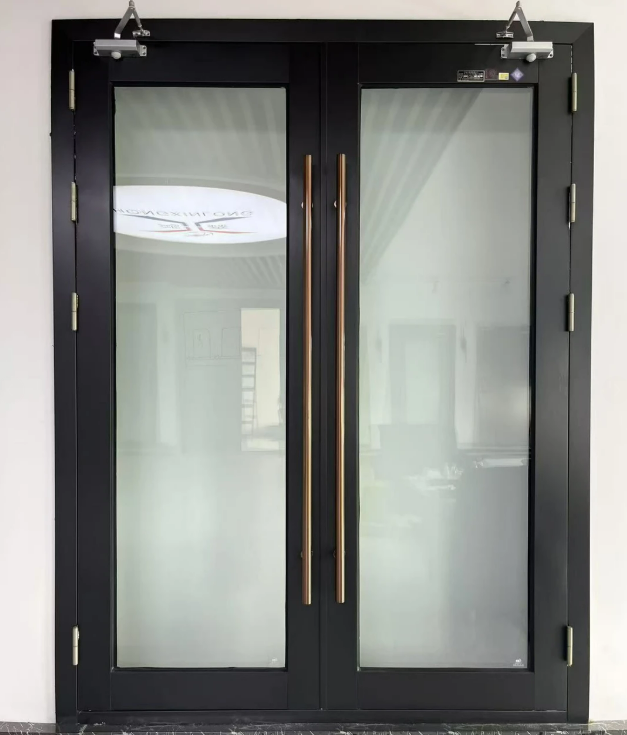
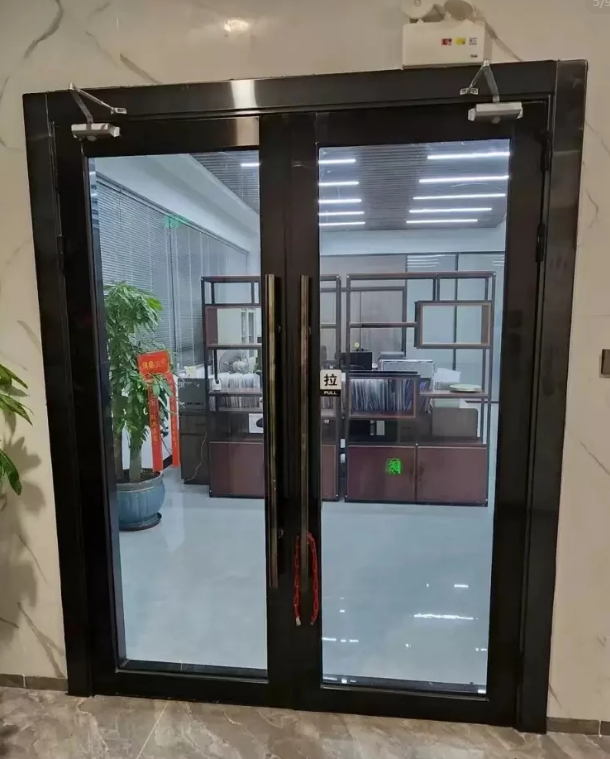
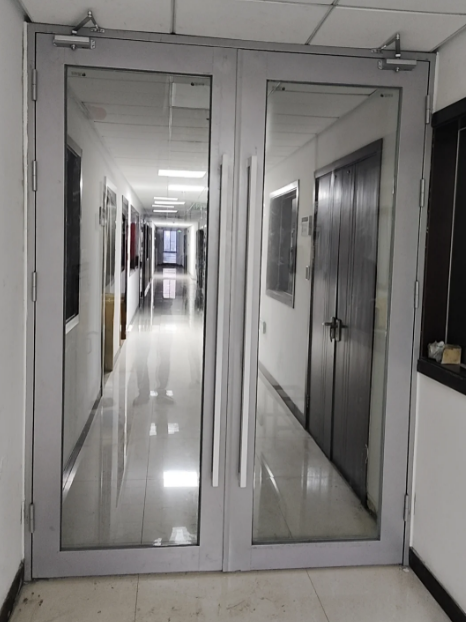
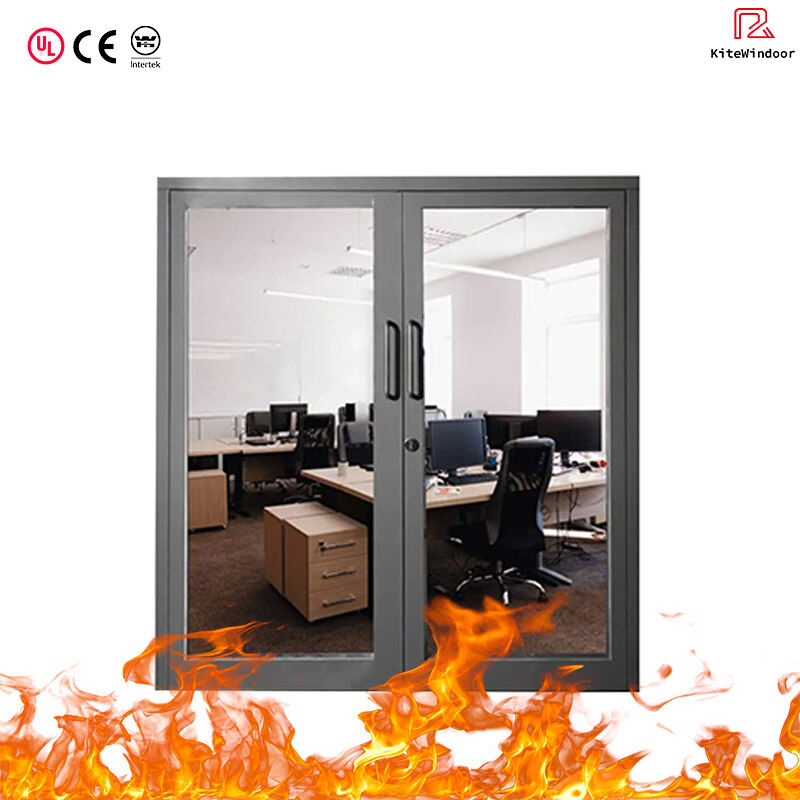
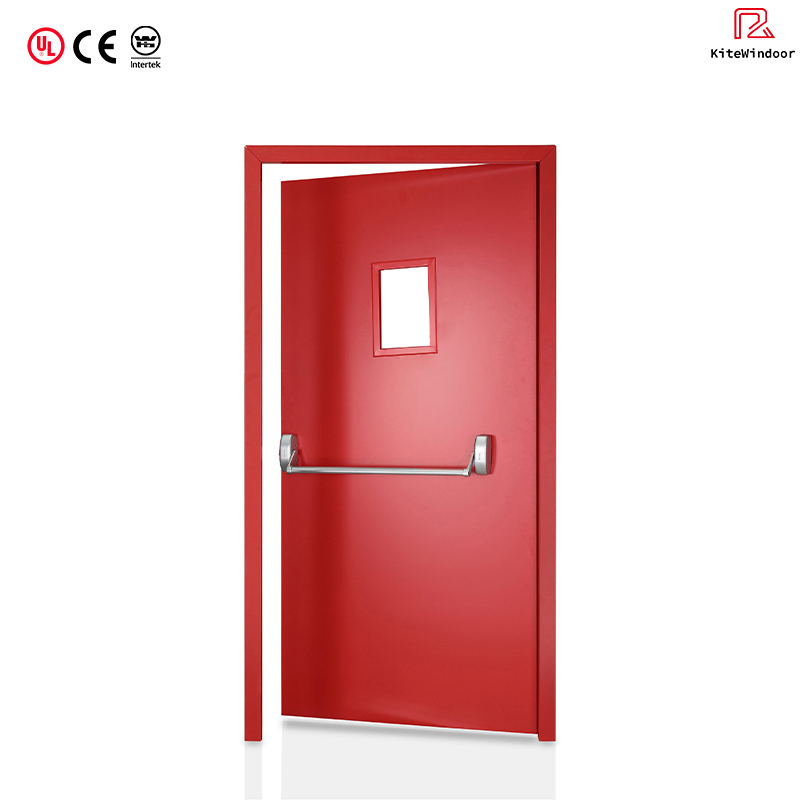
double fire doors with glass
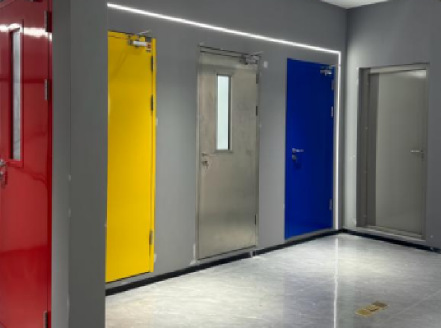
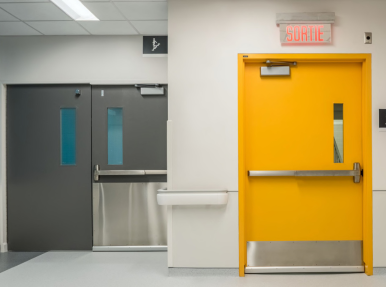
Double fire doors with glass represent a sophisticated safety solution that combines fire protection with visual transparency, making them essential components in modern commercial and institutional buildings. These specialized doors feature two panels that open from the center, incorporating fire-rated glass panels that maintain visibility while providing crucial fire resistance capabilities. The primary function of double fire doors with glass centers on compartmentalization, creating barriers that prevent fire and smoke spread between different areas of a building while allowing natural light transmission and visual connectivity. These doors typically achieve fire ratings ranging from 20 minutes to 3 hours, depending on construction specifications and regulatory requirements. The technological features include specialized fire-rated glazing that can withstand extreme temperatures without compromising structural integrity, steel or timber frames with fire-resistant core materials, and advanced sealing systems that expand under heat to prevent smoke infiltration. The glass components utilize laminated or wired glass specifically designed to maintain clarity under normal conditions while providing fire resistance when needed. Installation requirements involve precise fitting with fire-rated frames, proper alignment mechanisms, and integration with building fire safety systems including alarms and sprinkler systems. Applications span diverse environments including hospitals, schools, office buildings, shopping centers, hotels, and manufacturing facilities where fire safety regulations mandate compartmentalization without sacrificing aesthetic appeal or operational visibility. These double fire doors with glass serve critical roles in emergency evacuation routes, stairwell entrances, corridor divisions, and areas requiring both security and transparency. The combination of dual-panel design with fire-rated glazing creates versatile solutions that meet stringent safety codes while supporting architectural design objectives and operational requirements across various building types and occupancy classifications.