
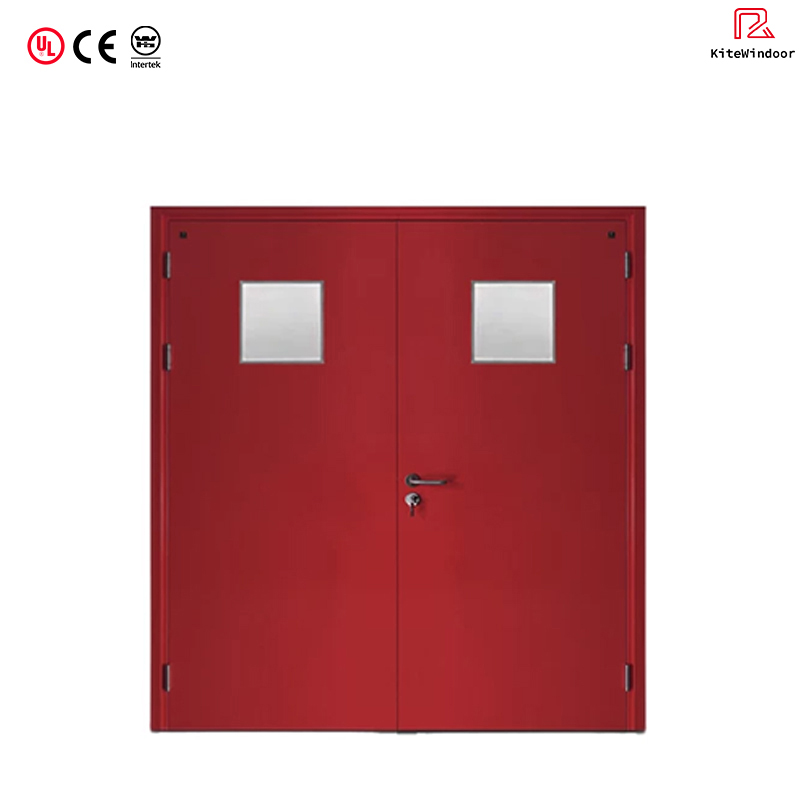
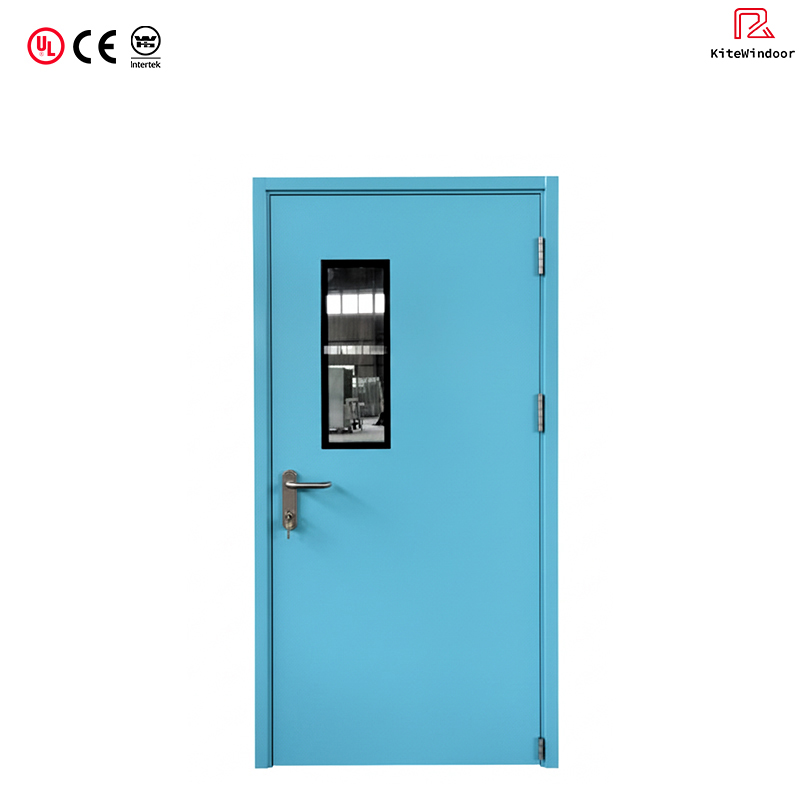
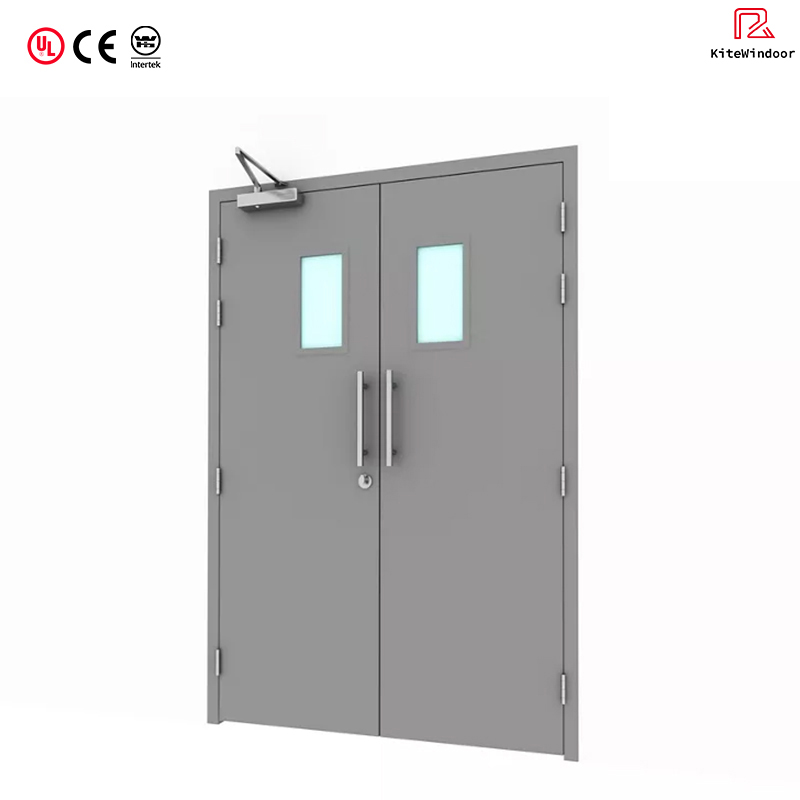
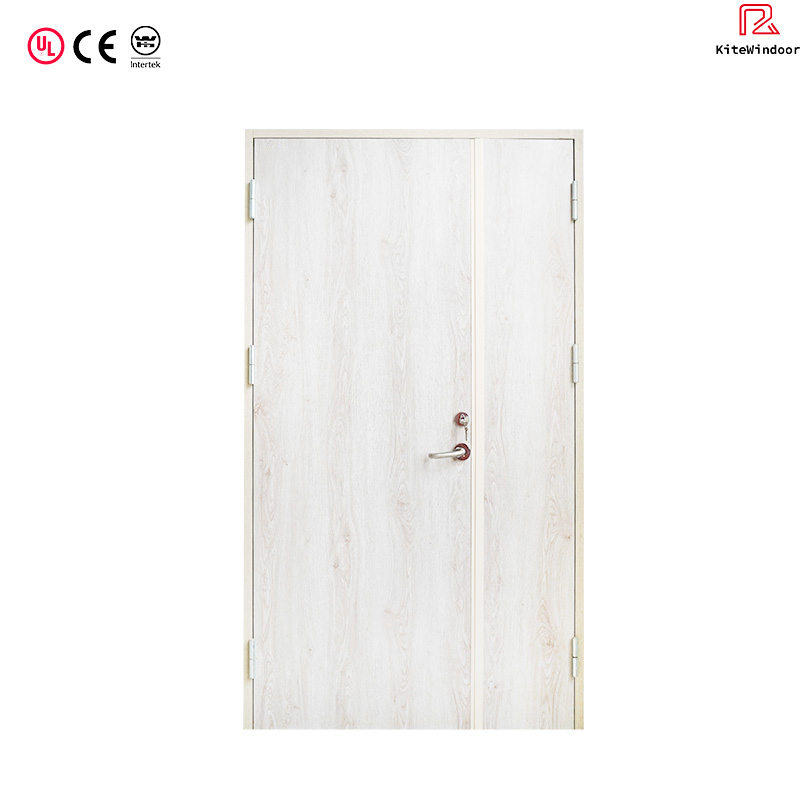
Multi Scenario Steel Fireproof Door Customizable for Commercial Residential and Industrial Use
- Overview
- Recommended Products
Product Overview
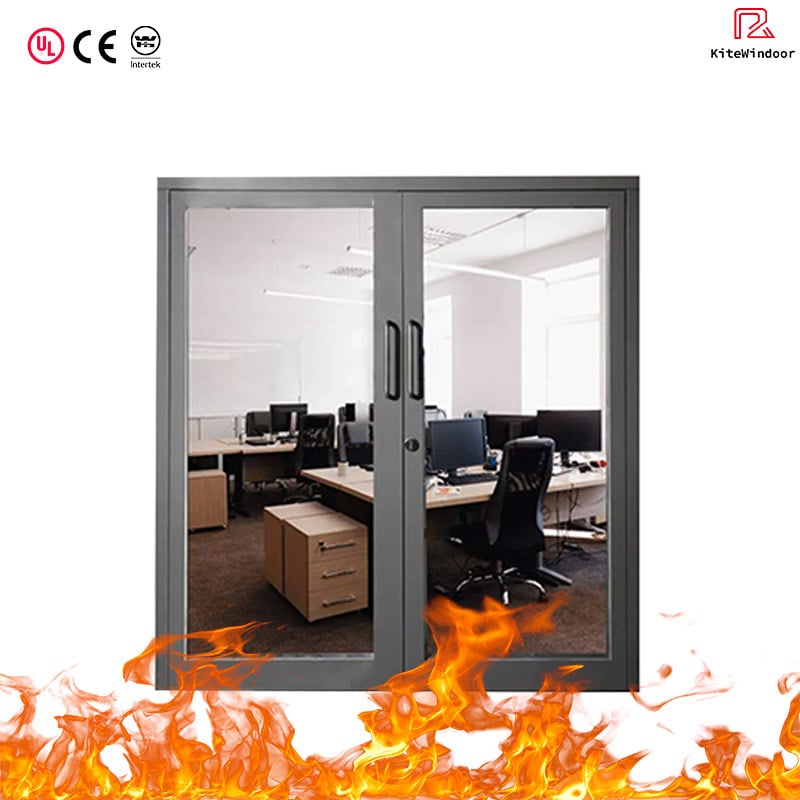
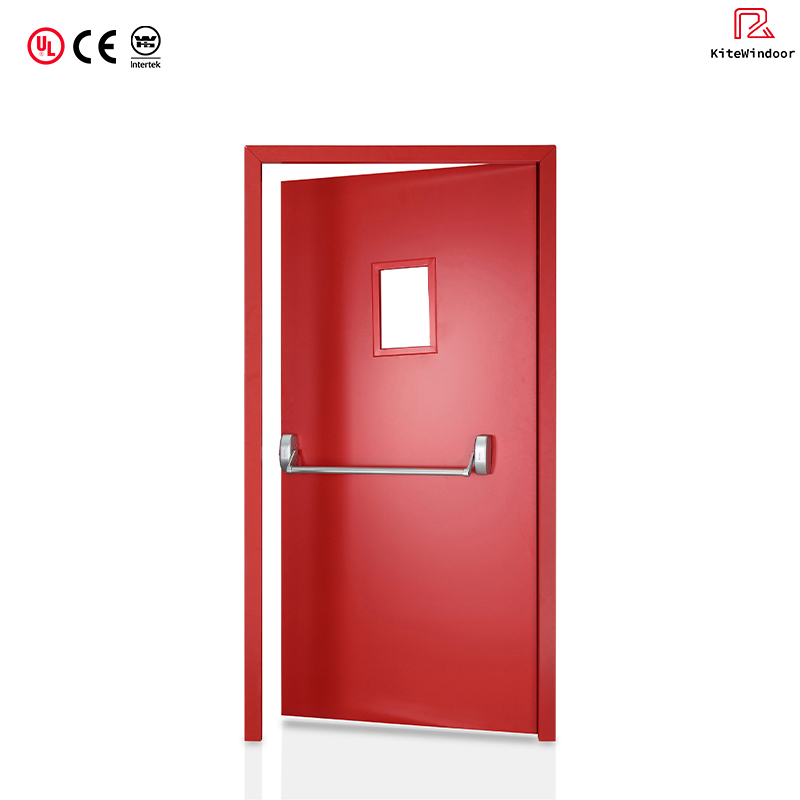
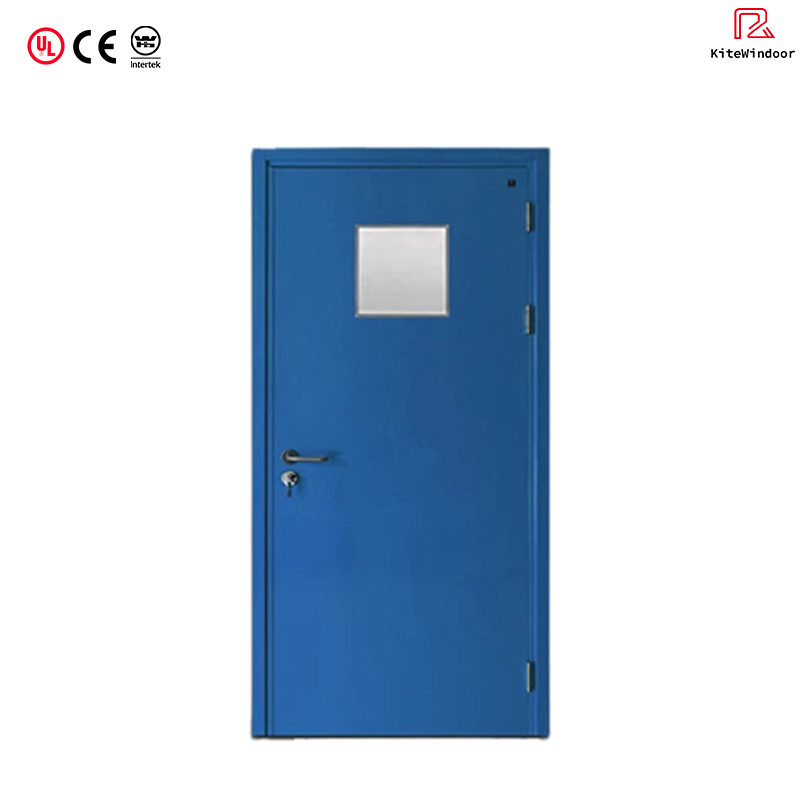
This steel fireproof door is a security product developed in accordance with national standards. It is made of high-quality cold-rolled steel plates as the core material, combined with precise welding and electrostatic powder coating processes. It features multiple functions such as fire resistance, anti-theft, sound insulation, and heat insulation. It is an essential security facility for key areas such as building fire evacuation passages, stairwells, and equipment machine rooms, and can effectively prevent the spread of fire and smoke during a fire, providing valuable time for personnel evacuation and property protection. Core materials and processes
1. Main structure: The door panel and door frame are both made of 1.2-1.5mm thick cold-rolled steel plates, filled with high-temperature resistant fireproof materials inside, and the filling materials do not contain harmful substances such as formaldehyde, which is environmentally friendly and safe; The door frame is made by an integrated molding process, enhancing structural stability and having strong anti-deformation ability.
2. Surface treatment: It adopts electrostatic powder coating process, with uniform coating thickness, acid and alkali resistant, corrosion resistant, and not prone to fading. It can be customized in various colors such as white, gray, and black according to customer needs, suitable for different architectural decoration styles.
3. Key accessories: Equipped with a complete set of fireproof accessories (all passing fire safety certification), such as fireproof hinges, fireproof locks, fireproof door closers, and fireproof sequence devices. The hinges are made of stainless steel, with strong load-bearing capacity and smooth opening without jamming; The door closer can adjust the closing speed to ensure that the door panel closes tightly and closely against the door frame after automatic closing, with excellent sealing performance.
Core performance parameters
1. Fire resistance grade: Supports fire resistance integrity ≥ 2.0h, supports Class A (fire resistance integrity ≥ 1.5h, fire resistance insulation ≥ 1.5h), Class B (fire resistance integrity ≥ 1.0h, fire resistance insulation ≥ 1.0h), and Class C (fire resistance integrity ≥ 0.5h, fire resistance insulation ≥ 0.5h), meeting different building fire design requirements.
2. Sealing performance: The door panel is equipped with high-temperature resistant expansion sealing strips around the edges, which will rapidly expand upon encountering fire, tightly filling the gap between the door frame, effectively blocking the penetration of smoke.
Installation and Maintenance Instructions
1. Installation Requirements:
The installation must be carried out by professionals with fire protection engineering qualifications. During installation, ensure that the door frame is vertical and the door panel can open and close smoothly. The gap between the door frame and the wall should be filled tightly with fireproof mud or fireproof sealing materials; non-fireproof materials such as cement mortar must not be used. After installation, conduct opening and closing tests to ensure that the door closer, sequence device, and other accessories function properly.
2. Daily Maintenance:
- Regularly inspect the door panel, door frame, and accessories to ensure they are in good condition. If any deformation, damage, or malfunction of the accessories is found, repair and replace them promptly;
- Keep the surface of the door panel clean. Use a damp cloth to wipe off dust and avoid using sharp tools to scratch the coating;
- Regularly add lubricating oil to the moving parts such as hinges and locks to ensure smooth operation;
- Do not Without permission dismantle or modify fireproof accessories, and do not drill holes in the door panel or install non-fireproof decorative items to avoid affecting the fireproof performance.
Applications:
It is widely used in various civil and industrial buildings, including but not limited to:
- Evacuation passages and stairwells' doors in densely populated places such as residences, office buildings, shopping malls, and hotels;
- Fire separation doors in places with high security requirements such as hospitals, schools, and nursing homes;
- Fire isolation doors in industrial areas such as factory workshops, warehouses, and equipment machine rooms;
- Fire protection doors in special areas such as underground garages, tunnels, and pipe shafts.
Advantages:
It can effectively block environmental noise; the surface strength of the door panel is ≥ 1500N, and the impact resistance meets the requirements, and it is not prone to deformation or damage; the overall weight of the product is moderate, making it easy to install and use daily.
FAQ:
1. Q: How are the fire resistance grades of steel fireproof doors classified? What are the differences between different grades?
A: The core difference of steel fireproof doors lies in the fire resistance duration and applicable scenarios: a fire resistance integrity of ≥ 2.0 hours, grade A fire resistance integrity and insulation are both ≥ 1.5 hours, suitable for important areas such as computer rooms and power distribution rooms; grade B ≥ 1.0 hour, mostly used in stairwells and evacuation corridors; grade C ≥ 0.5 hour, commonly found in pipe shafts, cable shafts, etc.
2. Q: Can steel fireproof doors be used as ordinary doors for daily use? Do they need to remain closed all the time?
A: They can be used as ordinary doors for daily passage, but according to fire protection regulations, fireproof doors must remain closed in non-passageway states and need to be equipped with a door closer to ensure the door is fully closed. Openable fireproof doors need to install a fire linkage door device, which can automatically close during a fire to prevent the spread of fire and smoke.
3. Q: What is the function of the sealing strips of steel fireproof doors? How often should they be replaced?
A: The sealing strips around the door panel are of expansion type when encountering fire, which normally ensure the sealing and sound insulation of the door. During a fire, they will rapidly expand and fill the gaps to prevent smoke penetration. Under normal usage conditions, it is recommended to check once every 1-2 years. If there is aging, cracking, or shrinking, they should be replaced in time to avoid affecting the fireproof performance.
4. Q: What should be done if there is rust on the surface of the steel fireproof door? How to maintain it daily?
A: If there is slight rust on the surface, it can be ground off with fine sandpaper and then painted with the same color anti-rust paint and spray paint; if the rust is severe, contact the manufacturer to replace the door panel or reapply surface treatment. Daily maintenance should pay attention to: avoid sharp objects scraping the coating, regularly wipe the surface dust with a damp cloth, and add lubricating oil to the moving parts such as hinges and locks every half a year to ensure smooth opening and closing.
5. Q: Can steel fireproof doors be customized in size and color? How long does the customization process take?
A: Yes, customization is possible. The size can be adjusted according to the size of the building opening, and colors support various spray colors such as white, gray, and black, suitable for different decoration styles. The regular size customization process takes about 20-30 days, and special specifications or large-scale customization needs to be appropriately extended according to the production schedule. Specific information can be consulted with the sales staff.
6. Q: When installing steel fireproof doors, what should be used to fill the gap between the door frame and the wall?
A: The gap between the door frame and the wall must be filled with fireproof mortar, fireproof rock wool, etc., and non-fireproof materials such as cement mortar must not be used. Fireproof sealing can ensure that fire does not spread through the gaps during a fire, protecting the overall fireproof effect of the door.
7. Q: What are the differences between steel fireproof doors and stainless steel fireproof doors? How should one choose?
A: The core difference lies in the material and applicable environment: steel fireproof doors use cold-rolled steel plates, which have high cost performance and are suitable for most indoor scenarios; stainless steel fireproof doors use 304 or 316 stainless steel materials, which have strong corrosion resistance, and are suitable for humid, salt spray-containing outdoor or coastal areas. When choosing, consider the humidity, corrosion, and budget of the usage scenario comprehensively.