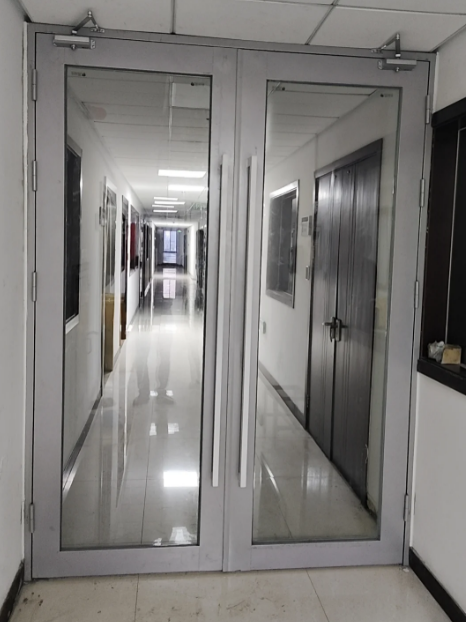
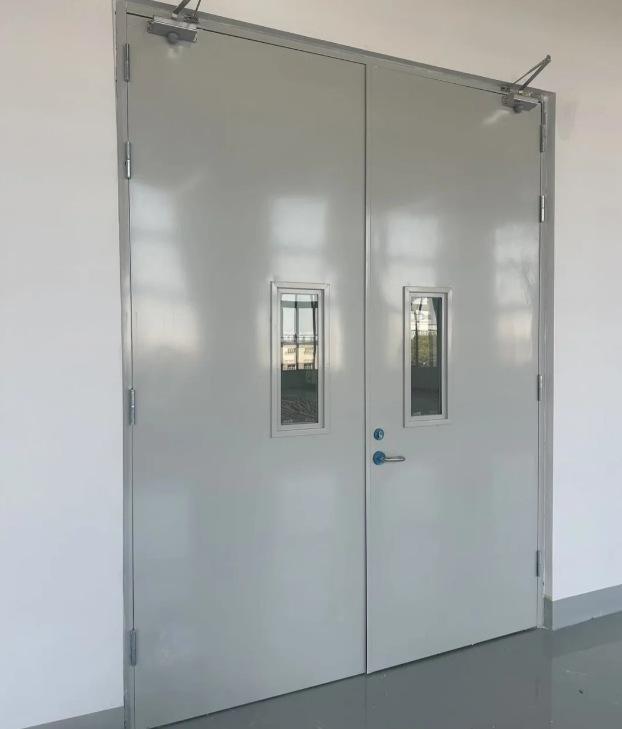
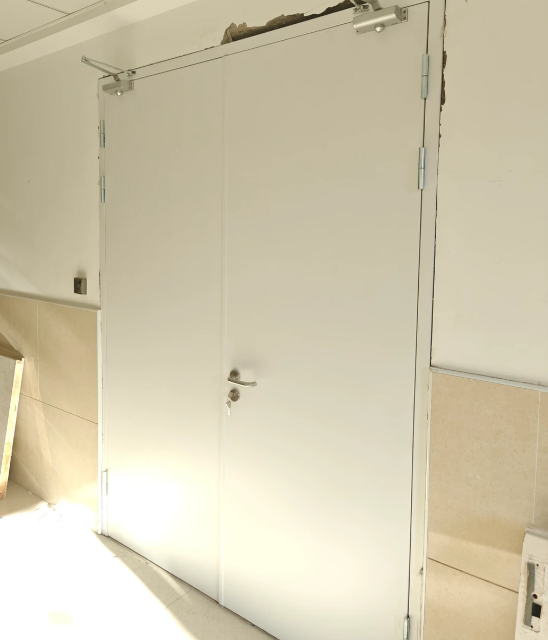
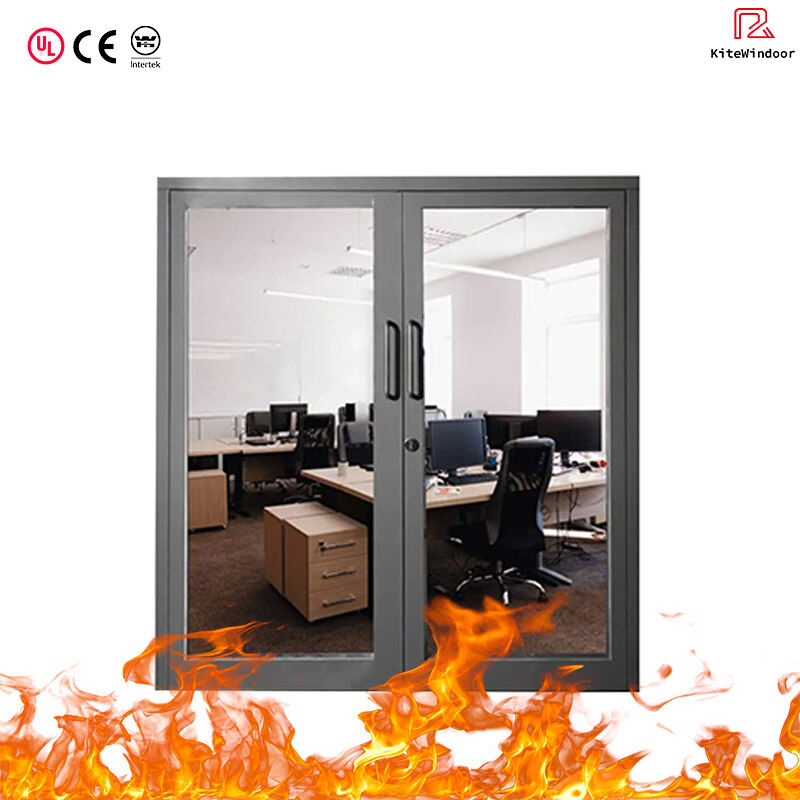
fire proof steel door
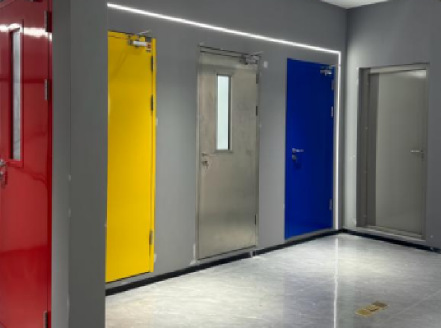
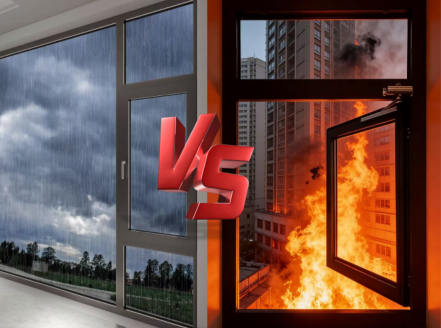
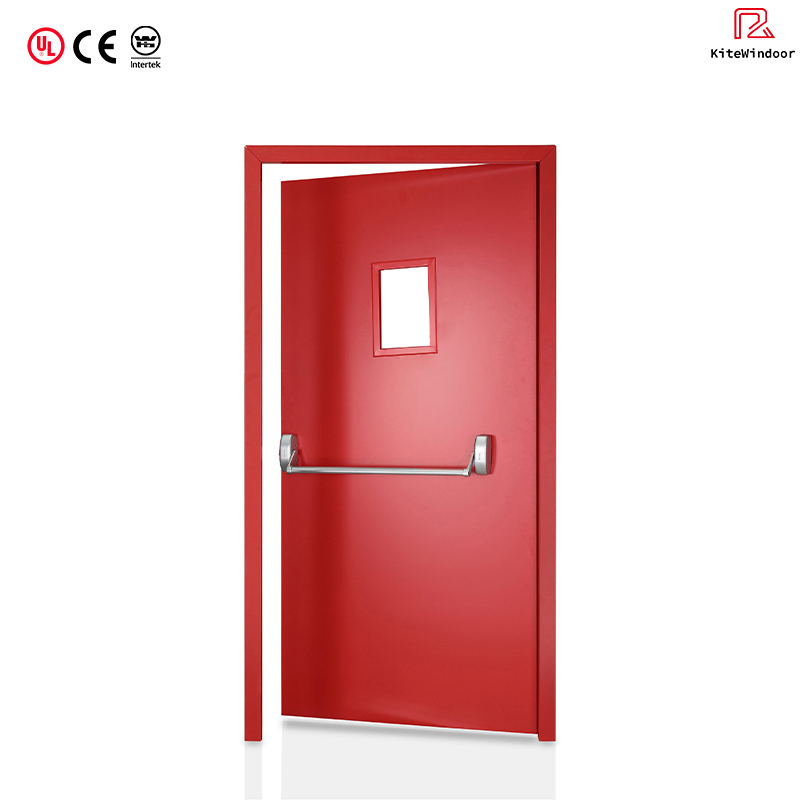
A fire proof steel door represents a critical safety component designed to protect lives and property during fire emergencies. These specialized barriers combine robust steel construction with advanced fire-resistant materials to create an effective defense against flame spread and smoke infiltration. The fire proof steel door functions as a passive fire protection system, automatically containing fires within specific areas while providing safe evacuation routes for building occupants. Manufacturing processes involve precision engineering that integrates steel frames with fire-rated core materials, creating doors that can withstand extreme temperatures for predetermined time periods. Technological features include intumescent seals that expand when exposed to heat, effectively blocking smoke and toxic gases from passing through door gaps. The fire proof steel door incorporates self-closing mechanisms that ensure automatic closure during emergencies, eliminating human error factors that could compromise safety. Modern versions feature advanced locking systems compatible with emergency exit requirements while maintaining security protocols. Surface treatments provide corrosion resistance and aesthetic appeal, allowing seamless integration into various architectural designs. Applications span across commercial buildings, residential complexes, industrial facilities, healthcare institutions, educational establishments, and government structures. Building codes worldwide mandate fire proof steel door installation in specific locations, including stairwells, mechanical rooms, storage areas, and between different occupancy zones. These doors serve multiple functions beyond fire protection, offering security enhancement, noise reduction, and thermal insulation benefits. Installation requirements demand precise fitting and regular maintenance to ensure optimal performance throughout the door's operational lifetime. Certification standards vary by region but typically require third-party testing to verify fire resistance ratings, which commonly range from thirty minutes to three hours depending on application requirements.