UL Fire Rated Doors - Certified Fire Protection Solutions for Commercial Buildings

Get a Free Quote

Our representative will contact you soon.
Email
Name
Company Name
Message
0/1000

ul fire rated doors

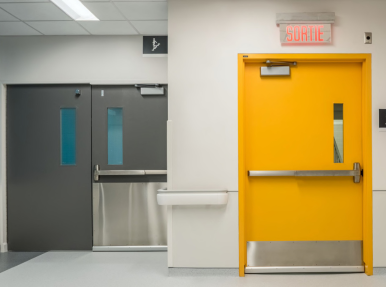
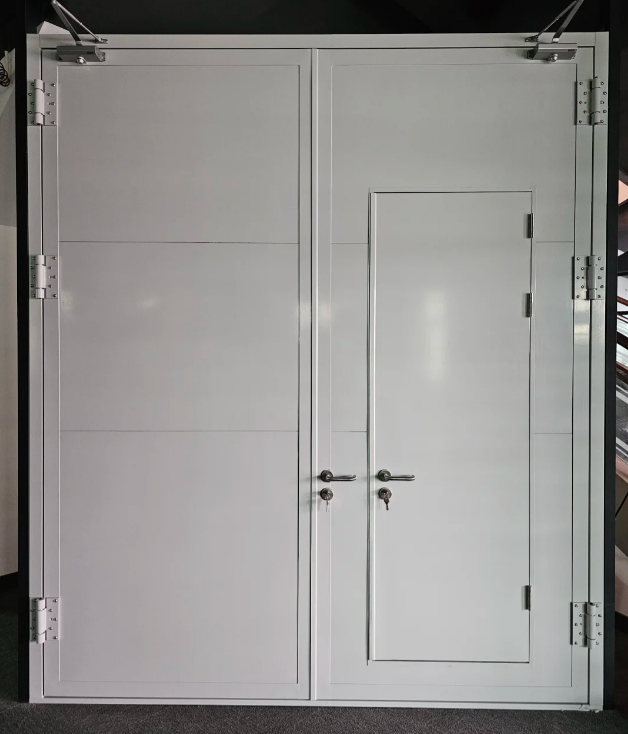
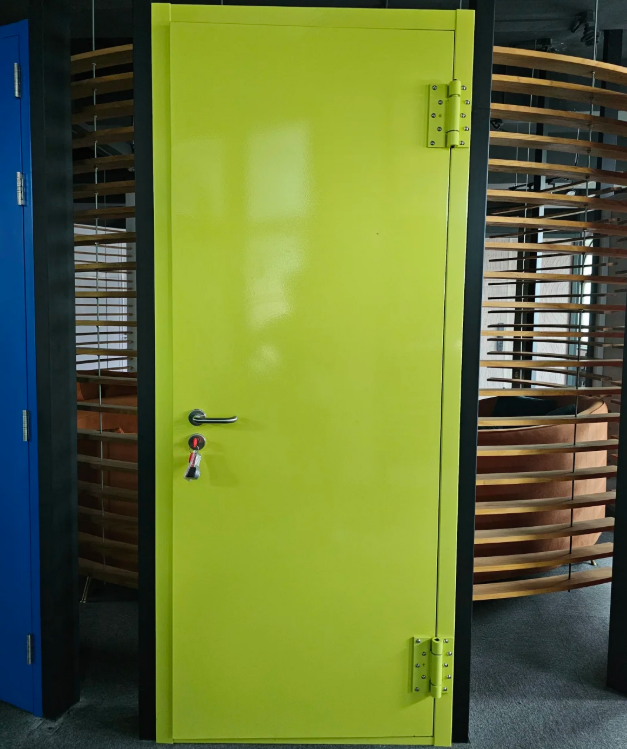
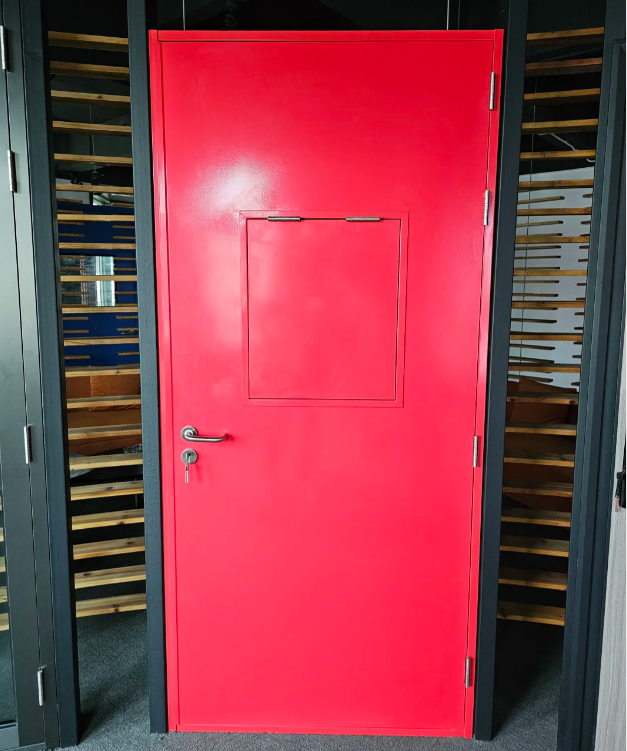
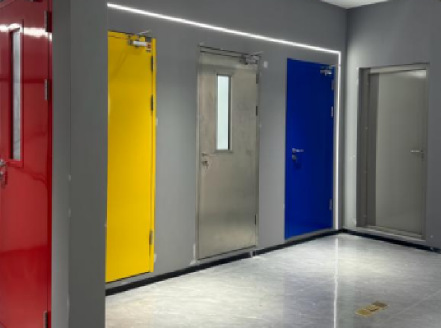
UL fire rated doors represent a critical safety component in modern building construction, designed to withstand intense heat and flames while preventing fire spread between different areas of a structure. These specialized doors undergo rigorous testing by Underwriters Laboratories, earning official UL certification that guarantees their performance during fire emergencies. The primary function of UL fire rated doors centers on compartmentalizing buildings to slow fire progression, providing occupants with crucial evacuation time while protecting valuable property and assets. These doors feature advanced fire-resistant materials including steel cores, mineral wool insulation, and specialized intumescent seals that expand when exposed to high temperatures. The technological framework behind UL fire rated doors incorporates multiple layers of protection, with each component engineered to maintain structural integrity under extreme conditions. Manufacturing processes involve precision welding, advanced material composites, and quality control measures that ensure consistent performance across different fire rating classifications. UL fire rated doors are available in various time ratings, typically ranging from 20 minutes to 3 hours, depending on specific building requirements and local fire codes. Installation applications span commercial buildings, industrial facilities, healthcare institutions, educational establishments, and residential complexes where fire safety regulations mandate compartmentalization. These doors integrate seamlessly with existing building systems, including automatic closing mechanisms, electronic access controls, and fire alarm networks. The certification process involves subjecting doors to standardized fire tests that measure temperature resistance, structural stability, and smoke transmission rates. Beyond basic fire protection, UL fire rated doors often incorporate additional security features, soundproofing capabilities, and aesthetic design elements that complement architectural requirements while maintaining safety standards.

New Product Recommendations

UL fire rated doors deliver exceptional value through their proven ability to save lives and protect property during fire emergencies. Building owners benefit from insurance premium reductions when installing certified fire doors, as insurance companies recognize the reduced risk these products provide. The doors meet strict building code requirements across all jurisdictions, eliminating compliance concerns and potential legal liability issues that arise from inadequate fire protection systems. Installation costs prove economical when compared to potential fire damage expenses, making UL fire rated doors a smart long-term investment for any property owner. These doors require minimal maintenance throughout their operational lifetime, reducing ongoing facility management expenses while ensuring continuous fire protection. The certification process guarantees consistent quality and performance standards, giving customers confidence in their fire safety infrastructure. UL fire rated doors integrate easily with modern building automation systems, allowing centralized monitoring and control of fire protection measures across entire facilities. Energy efficiency benefits emerge from the superior sealing capabilities of fire doors, which reduce air leakage and improve overall building climate control effectiveness. The doors enhance property values by demonstrating commitment to safety standards that attract quality tenants and buyers in competitive real estate markets. Professional installation teams ensure proper fitting and adjustment, maximizing door performance while minimizing future maintenance requirements. Customization options allow building designers to specify fire doors that match architectural aesthetics without compromising safety functionality. The doors provide peace of mind for building occupants, knowing that proven fire protection systems will perform reliably during emergencies. Retrofit applications enable older buildings to achieve modern fire safety standards without extensive structural modifications. UL fire rated doors support sustainable building practices through durable construction that extends product lifecycles and reduces replacement frequency. Emergency response teams benefit from predictable fire door performance, allowing more effective firefighting strategies and evacuation procedures during actual fire incidents.

Tips And Tricks

The Birth of a Steel Fireproof Door: From Steel to the Craftsmanship of Protection

21

Jan

The Birth of a Steel Fireproof Door: From Steel to the Craftsmanship of Protection

View More
The

21

Jan

The "Safe Forging Journey" of Fireproof Windows: From Raw Materials to Precision Manufacturing Process of Security

View More
Core Product Features of Steel Fireproof Door: Steel as the Bone, Fireproof as the Soul

27

Jan

Core Product Features of Steel Fireproof Door: Steel as the Bone, Fireproof as the Soul

View More
Choosing the Right Aluminum Alloy Doors and Windows: Core Advantages and Application Guidelines Based on Structural Classification

27

Jan

Choosing the Right Aluminum Alloy Doors and Windows: Core Advantages and Application Guidelines Based on Structural Classification

View More

Get a Free Quote

Our representative will contact you soon.
Email
Name
Company Name
Message
0/1000

ul fire rated doors

Advanced Intumescent Seal Technology

Advanced Intumescent Seal Technology

The intumescent seal system represents the most sophisticated aspect of UL fire rated doors, providing dynamic fire protection that adapts automatically to emergency conditions. These specialized seals remain dormant under normal circumstances but activate immediately when exposed to temperatures exceeding 200 degrees Fahrenheit, expanding rapidly to create an impermeable barrier against smoke and flames. The chemical composition of intumescent materials includes graphite compounds, ammonium phosphate, and proprietary additives that trigger controlled expansion reactions during fire exposure. This expansion process can increase seal volume by up to 10 times original size, effectively filling gaps around door frames and preventing fire penetration through the smallest openings. Installation locations include door perimeters, glazing areas, and hardware cutouts where traditional materials would fail under extreme heat conditions. The seal technology operates independently of electrical systems or manual intervention, ensuring reliable performance even during power failures or when buildings become inaccessible to emergency personnel. Manufacturing quality control processes test each seal batch for expansion rates, adhesion strength, and temperature sensitivity to maintain consistent performance across different door installations. Replacement schedules for intumescent seals depend on environmental exposure and building usage patterns, with most installations maintaining effectiveness for decades under normal conditions. The seals contribute significantly to overall door fire ratings, often determining whether doors achieve 90-minute, 2-hour, or 3-hour certifications during UL testing procedures. Compatibility testing ensures intumescent seals work effectively with different door materials, frame types, and hardware configurations without compromising fire protection capabilities. Advanced formulations resist moisture absorption, UV degradation, and mechanical wear that could reduce seal effectiveness over extended periods. Cost-effectiveness becomes apparent when comparing seal replacement expenses to potential fire damage costs, making regular maintenance an excellent investment in building safety infrastructure.
Multi-Layer Steel Core Construction

Multi-Layer Steel Core Construction

UL fire rated doors utilize sophisticated multi-layer steel core construction that provides exceptional structural integrity and fire resistance through engineered material combinations. The core design typically features high-grade steel sheets surrounding mineral wool or ceramic fiber insulation, creating thermal barriers that prevent heat transfer while maintaining door stability during fire exposure. Manufacturing processes involve precision welding techniques that eliminate weak points where fire could penetrate, ensuring uniform protection across the entire door surface. Steel thickness specifications vary according to fire rating requirements, with higher-rated doors incorporating heavier gauge materials that resist warping and maintain dimensional stability under extreme conditions. The mineral wool insulation core consists of rock or slag wool fibers that remain stable at temperatures exceeding 2000 degrees Fahrenheit, providing long-term protection throughout fire events. Quality control measures include x-ray inspection of welded seams, thickness measurements at multiple points, and stress testing to verify structural performance under simulated fire conditions. Assembly techniques ensure proper insulation density and uniform distribution throughout the core, eliminating voids or gaps that could compromise fire resistance. The steel construction provides additional security benefits beyond fire protection, making these doors resistant to forced entry attempts and impact damage from normal building operations. Corrosion resistance treatments protect steel components from moisture and environmental factors that could weaken door structure over time. Weight distribution calculations ensure doors remain operable despite substantial core materials, with proper hinge and hardware specifications supporting long-term functionality. Testing protocols verify that steel core construction maintains integrity throughout entire fire rating periods, preventing structural failure that could allow fire spread. Environmental considerations include using recycled steel content and sustainable manufacturing processes that reduce overall product environmental impact. Installation requirements specify proper anchoring methods that transfer door weight effectively to building structures while maintaining fire rating performance.
Comprehensive UL Certification Standards

Comprehensive UL Certification Standards

The UL certification process for fire rated doors represents the most rigorous testing and quality assurance program available in the fire protection industry, ensuring consistent performance through standardized evaluation procedures. Testing facilities subject doors to controlled fire exposure using precise temperature curves that simulate actual fire conditions, monitoring door performance throughout entire rating periods. Certification requirements include flame penetration testing, temperature transmission measurements, and structural integrity assessments that verify doors maintain protective capabilities under extreme conditions. The testing protocol follows ASTM E152 and NFPA 252 standards, exposing doors to temperatures reaching 1925 degrees Fahrenheit within 60 minutes while monitoring performance across multiple criteria. Smoke transmission testing measures door ability to prevent smoke passage, which protects evacuation routes and reduces smoke inhalation risks during fire emergencies. Certification maintains validity through annual factory inspections that verify manufacturing processes, quality control procedures, and material specifications remain consistent with original testing parameters. Labeling requirements ensure every certified door displays UL markings that indicate specific fire ratings, installation requirements, and manufacturer information for easy identification during inspections. The certification covers complete door assemblies including frames, hardware, glazing, and installation methods, ensuring all components work together to achieve specified fire ratings. Field inspection services verify proper installation according to UL requirements, maintaining certification validity and ensuring door performance meets original testing specifications. Recertification processes account for design changes, material substitutions, or manufacturing modifications that could affect fire performance, requiring additional testing when necessary. International recognition of UL standards facilitates building code compliance across different jurisdictions, simplifying specification processes for architects and building owners. Ongoing monitoring includes investigation of field performance, analysis of fire incident reports, and continuous improvement of testing methods to enhance door effectiveness. Documentation requirements provide detailed installation instructions, maintenance procedures, and performance specifications that support proper door operation throughout building lifecycles.
Get a Free Quote

Our representative will contact you soon.
Email
Name
Company Name
Message
0/1000