Superior Weather Protection and Durability
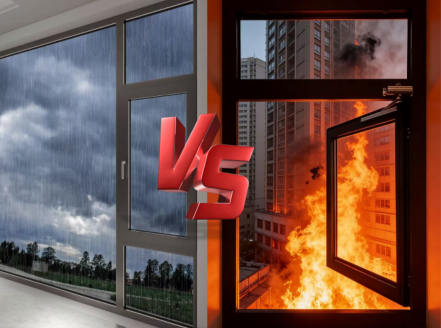
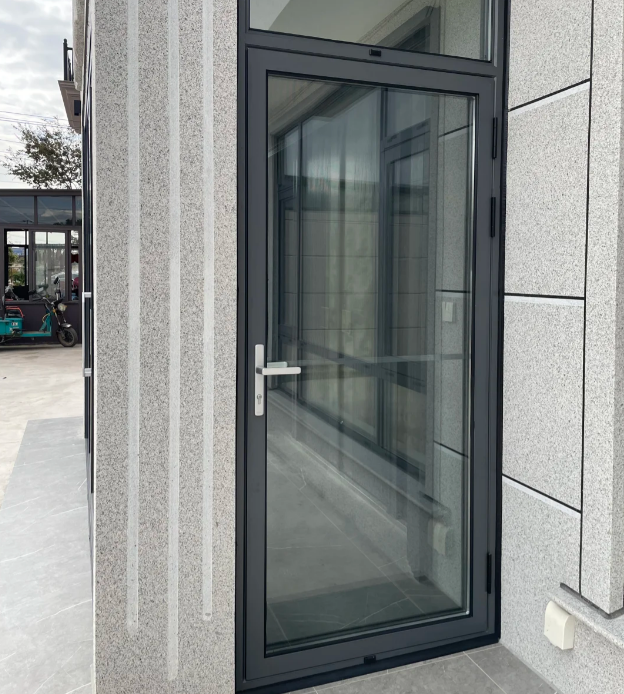
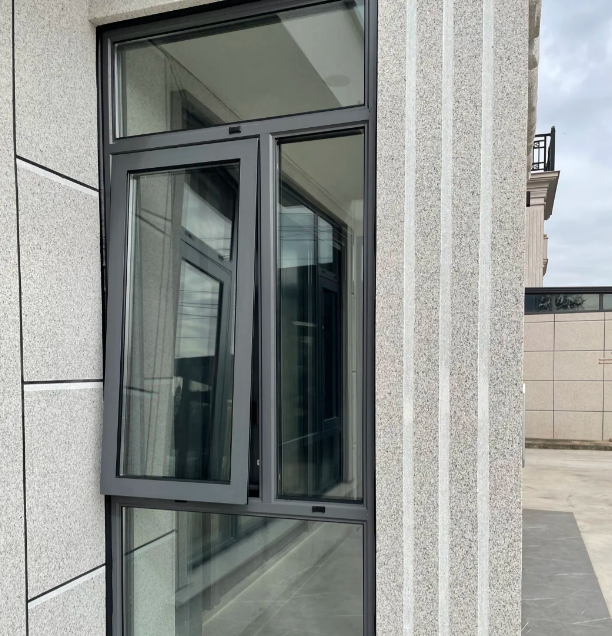
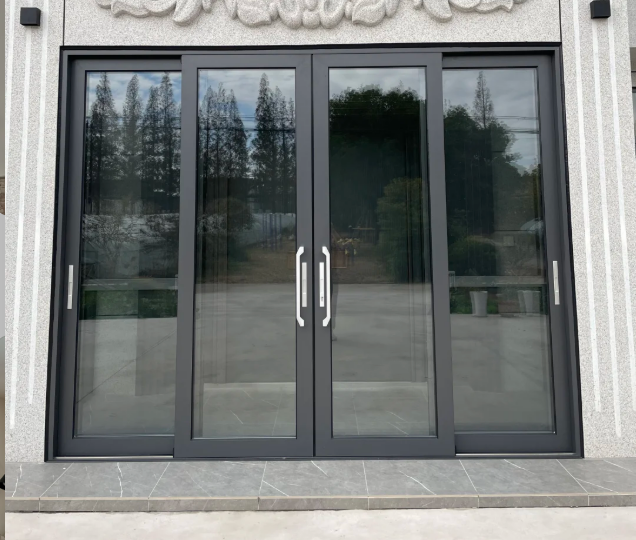
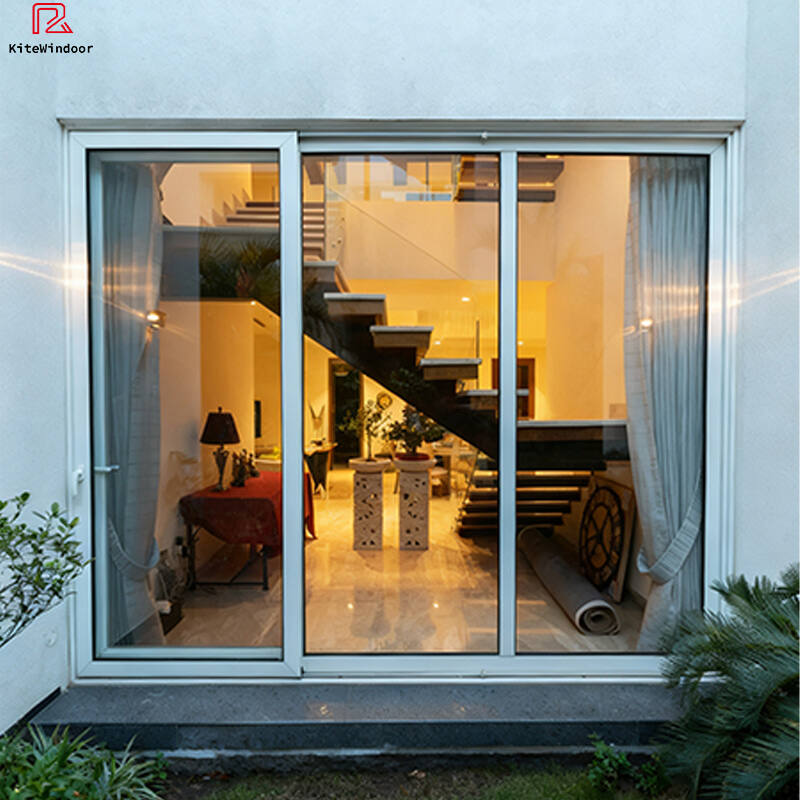
Glass sliders demonstrate exceptional resistance to environmental challenges while maintaining optimal performance across diverse weather conditions and extended operational periods. The engineering behind modern glass slider systems incorporates advanced materials and construction techniques specifically designed to withstand extreme temperature variations, high winds, heavy precipitation, and UV exposure without compromising structural integrity or operational smoothness. The frame materials, typically high-grade aluminum or steel alloys, undergo specialized treatments including anodization or powder coating that prevent corrosion, fading, and degradation even in coastal environments where salt exposure poses additional challenges. Weather sealing systems utilize multiple barriers including primary seals along the perimeter, secondary drainage systems to redirect water away from interior spaces, and gasket technologies that maintain flexibility across temperature ranges while preventing air and water infiltration. The glass panels themselves often feature tempering or lamination processes that enhance impact resistance and safety characteristics while maintaining optical clarity and thermal performance properties. Structural testing ensures glass sliders can withstand wind loads exceeding building code requirements, providing confidence in severe weather events including hurricanes, tornadoes, and severe thunderstorms. The durability extends to operational components including track systems, rollers, and locking mechanisms that utilize precision manufacturing and premium materials to ensure smooth operation after thousands of opening and closing cycles. Quality control processes during manufacturing include extensive testing of weather stripping effectiveness, structural load capacity, and thermal performance to validate long-term reliability. Installation techniques contribute significantly to weather protection through proper flashing, structural anchoring, and alignment procedures that create weathertight connections between glass slider systems and building structures. Maintenance protocols help preserve weather protection capabilities through periodic inspection and adjustment of sealing components, lubrication of moving parts, and cleaning procedures that prevent debris accumulation. The investment in superior weather protection pays dividends through reduced energy costs, minimized interior damage from water infiltration, and extended system lifespan that justifies the initial investment through decades of reliable performance and enhanced comfort for occupants.