fixed casement window
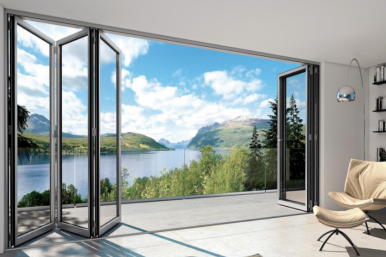
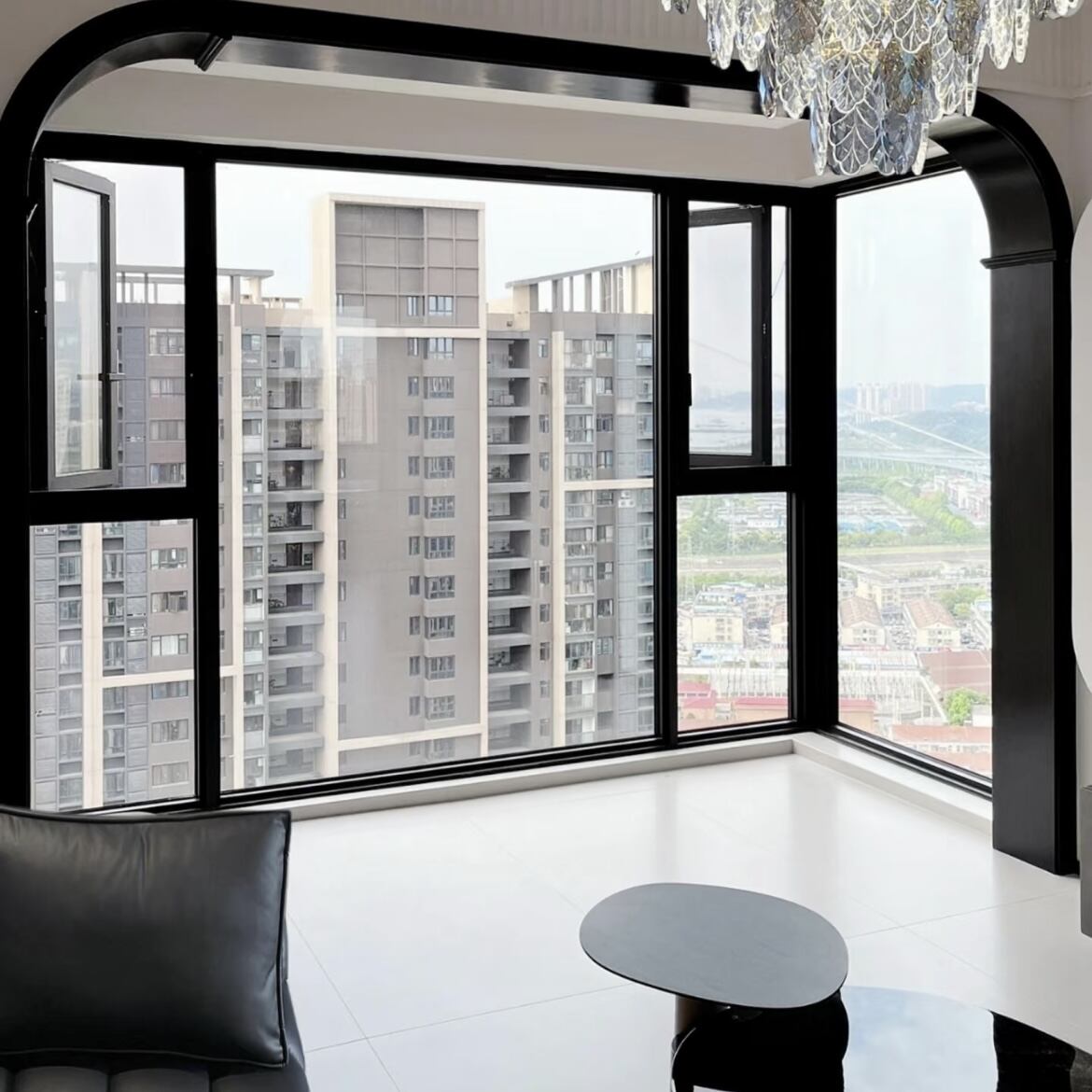
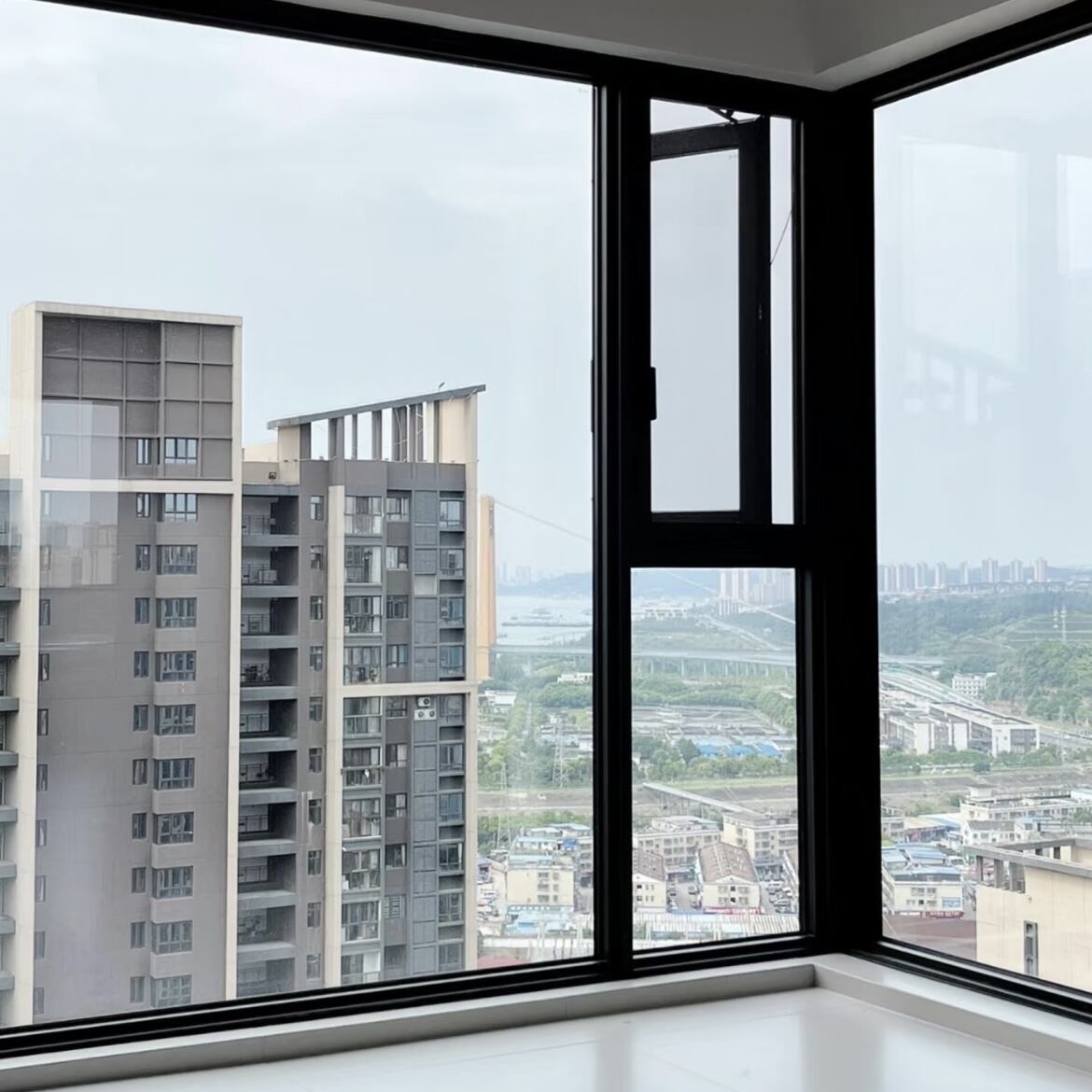
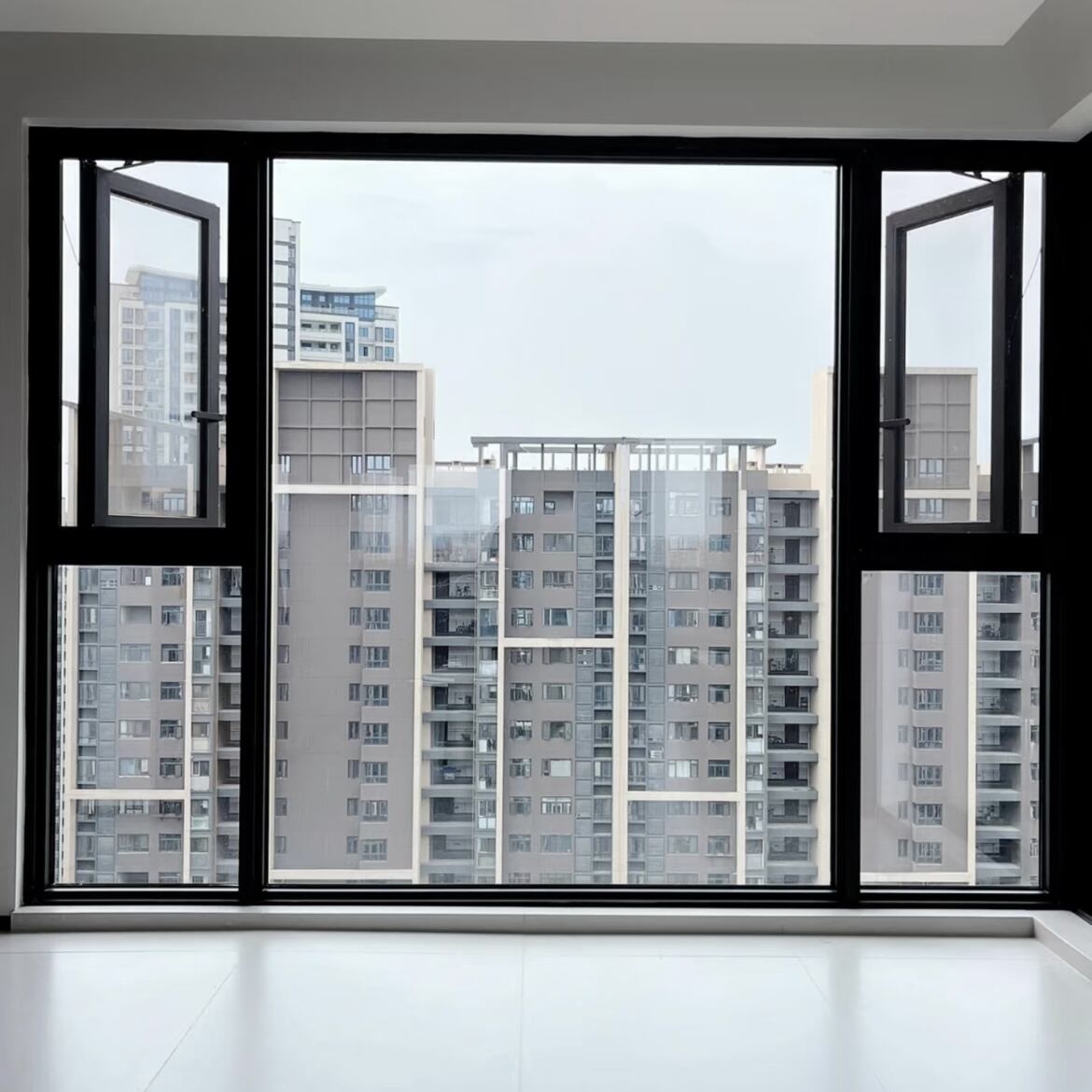
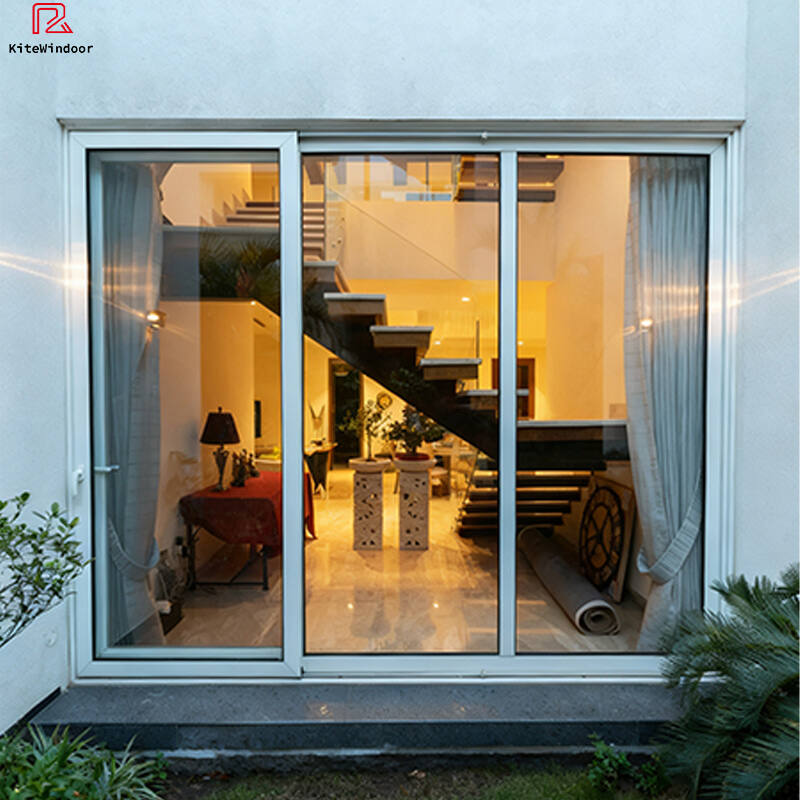
The fixed casement window represents a sophisticated architectural solution that combines structural integrity with exceptional visual appeal. Unlike traditional operable windows, the fixed casement window is permanently sealed in place, creating an immovable barrier between interior and exterior environments. This design philosophy prioritizes maximum light transmission and unobstructed views while maintaining superior weather resistance. The fixed casement window features a robust frame construction that eliminates mechanical components such as hinges, cranks, or locking mechanisms. This streamlined approach reduces potential failure points and enhances overall durability. The window's primary function centers on providing natural illumination and panoramic visibility without compromising thermal performance. Modern fixed casement window designs incorporate advanced glazing technologies, including low-emissivity coatings and multi-pane configurations that optimize energy efficiency. The frame materials typically include aluminum, vinyl, wood, or composite materials, each offering distinct aesthetic and performance characteristics. Installation versatility makes the fixed casement window suitable for various architectural applications, from residential homes to commercial buildings. The window's static nature allows for larger glass areas compared to operable alternatives, maximizing daylight penetration and creating seamless connections between indoor and outdoor spaces. Technological features include precision-engineered weatherstripping, thermal breaks in metal frames, and high-performance sealants that prevent air and water infiltration. The fixed casement window excels in applications where ventilation is provided through alternative means, such as HVAC systems or other operable windows within the same space. Common installations include picture windows, storefront applications, clerestory windows, and architectural accent features. The manufacturing process ensures consistent quality through computer-controlled cutting, welding, and assembly procedures that maintain tight tolerances and optimal fit. Professional installation guarantees proper alignment, weatherproofing, and integration with building envelope systems for long-term performance and reliability.