Advanced Smart Technology Integration
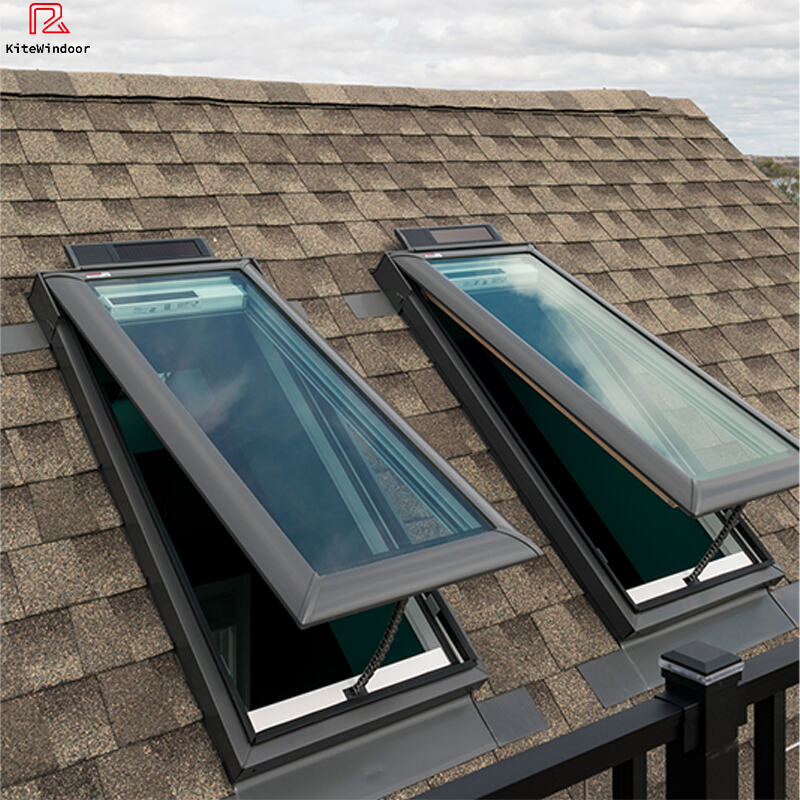
Modern custom skylights incorporate sophisticated smart technology systems that provide automated control, enhanced security, and seamless integration with contemporary home automation platforms. These intelligent systems feature weather-responsive sensors that automatically close skylights when rain is detected, protecting interior spaces and furnishings from water damage while maintaining optimal ventilation during favorable conditions. Advanced motor systems operate silently and efficiently, powered by low-voltage electrical systems that can integrate with backup power supplies for continued operation during power outages. Smart control interfaces include wireless remote controls, wall-mounted touch panels, and smartphone applications that allow users to adjust skylight positions, monitor weather conditions, and schedule automated opening and closing cycles. Integration capabilities extend to popular home automation systems including Alexa, Google Home, and dedicated smart home hubs, enabling voice control and coordination with other building systems such as HVAC, lighting, and security systems. Sophisticated sensors monitor indoor air quality, temperature, and humidity levels, automatically adjusting skylight ventilation to maintain optimal interior conditions while maximizing energy efficiency. Custom skylights can incorporate integrated LED lighting systems that provide evening illumination and can simulate natural daylight patterns during winter months or in northern climates with limited daylight hours. Security features include tamper-resistant hardware, integrated alarm sensors, and remote monitoring capabilities that alert property owners to unauthorized opening attempts or system malfunctions. Advanced glazing systems can include electrochromic glass that adjusts transparency levels electronically, providing instant privacy control and glare reduction without mechanical blinds or shades. Programming options allow users to create customized schedules that adapt to seasonal changes, occupancy patterns, and specific usage requirements. The smart technology systems undergo regular software updates that introduce new features and maintain compatibility with evolving automation standards.