Interior Fire Rated Doors: Essential Fire Safety Solutions for Commercial and Residential Buildings

Get a Free Quote

Our representative will contact you soon.
Email
Name
Company Name
Message
0/1000

interior fire rated doors

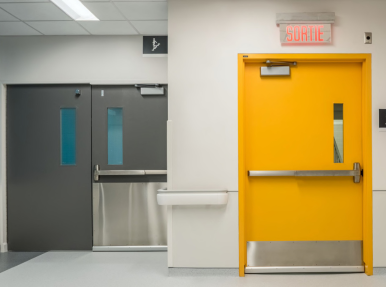
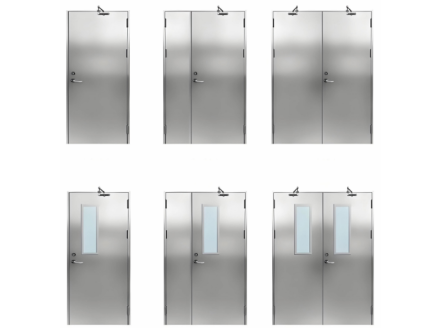
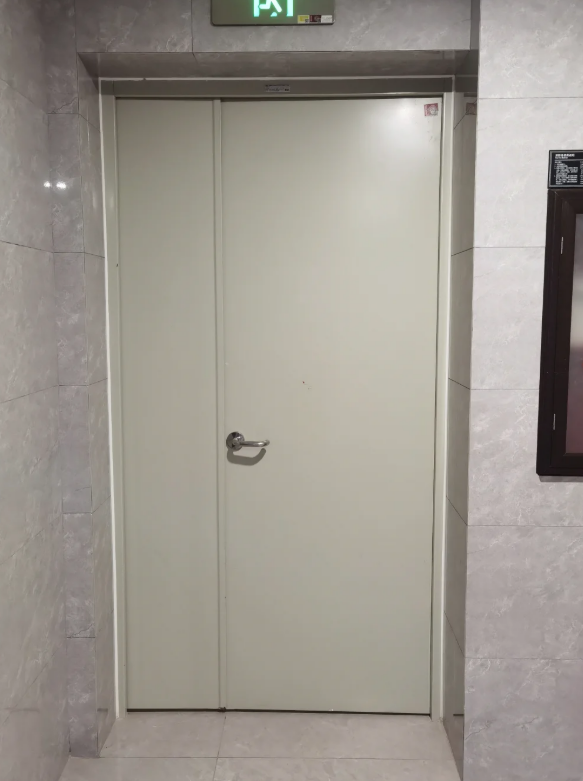
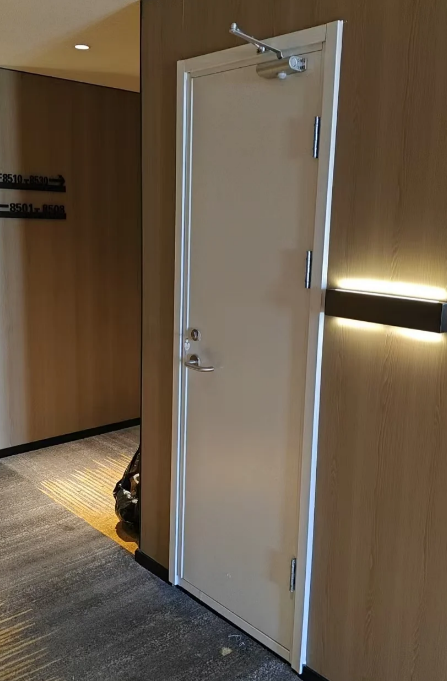
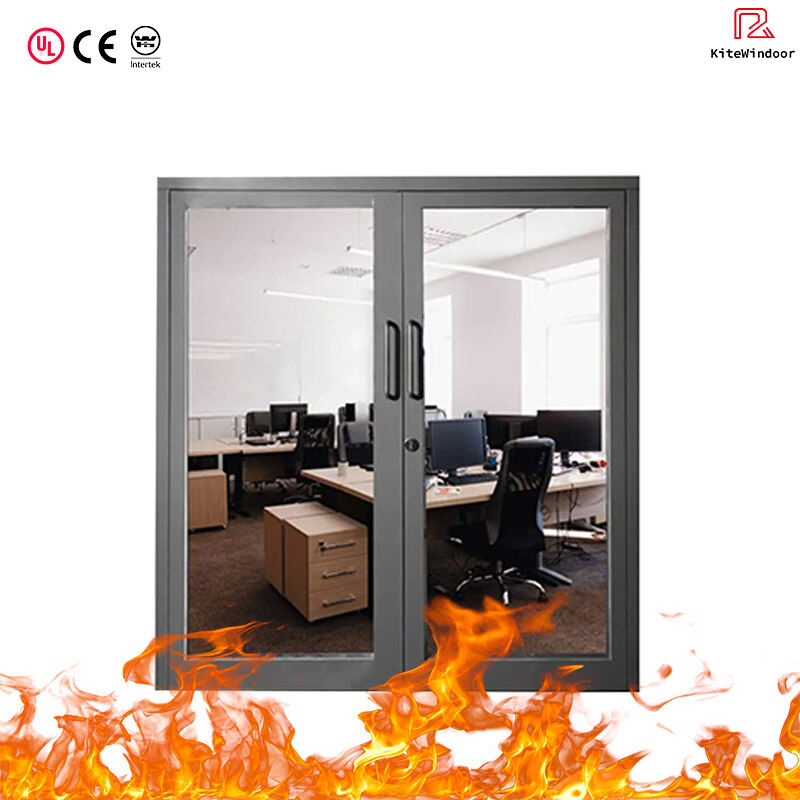
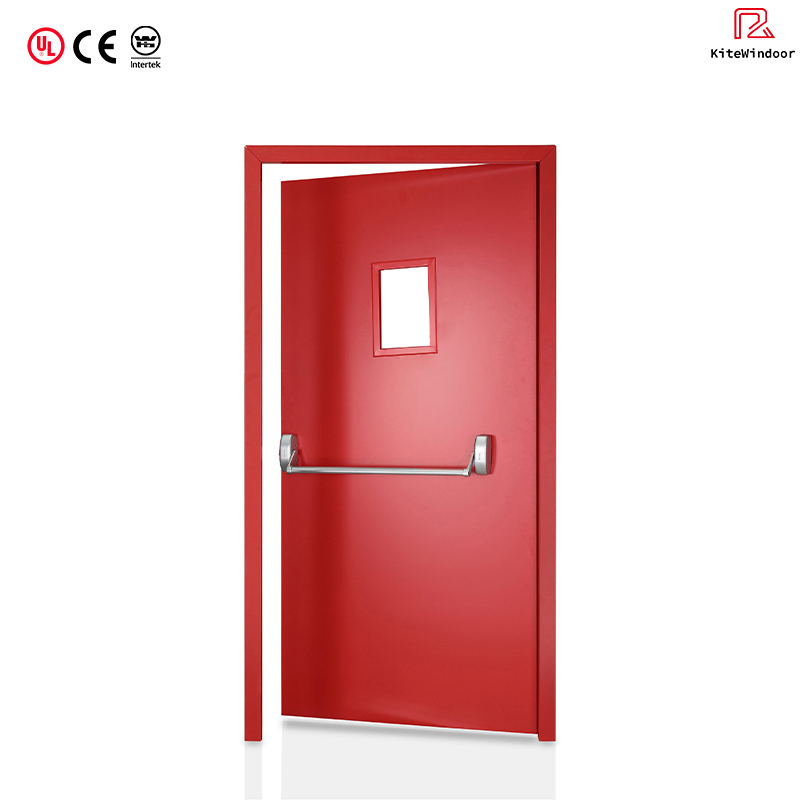
Interior fire rated doors represent a critical component in modern building safety systems, designed to prevent the spread of fire and smoke throughout residential, commercial, and industrial structures. These specialized doors undergo rigorous testing and certification processes to ensure they can withstand extreme temperatures and maintain their structural integrity during fire emergencies. Unlike standard doors, interior fire rated doors are constructed using advanced materials and engineering techniques that enable them to resist fire penetration for predetermined time periods, typically ranging from 20 minutes to 3 hours depending on their rating classification. The primary function of interior fire rated doors centers on compartmentalization, creating fire-resistant barriers that slow down flame progression and provide occupants with valuable escape time while protecting property from extensive damage. These doors incorporate multiple technological features including intumescent seals that expand when exposed to heat, specialized core materials such as mineral fiber or vermiculite, and reinforced frames that maintain door alignment under thermal stress. The construction typically involves steel or solid wood frames with fire-resistant cores, often featuring automatic closing mechanisms and smoke seals to prevent toxic fume infiltration. Interior fire rated doors find applications across diverse environments including hospitals, schools, office buildings, hotels, apartments, and manufacturing facilities where fire safety regulations mandate their installation. Building codes frequently require these doors in specific locations such as stairwells, corridors, mechanical rooms, and areas separating different occupancy types. The doors must comply with stringent standards set by organizations like Underwriters Laboratories (UL) and the National Fire Protection Association (NFPA), ensuring consistent performance across different manufacturers. Modern interior fire rated doors also integrate seamlessly with building automation systems, allowing for coordinated emergency responses and remote monitoring capabilities that enhance overall fire safety management strategies.

New Product Releases

Interior fire rated doors deliver substantial advantages that make them essential investments for property owners prioritizing safety and compliance. These doors provide immediate life-saving benefits by creating protected escape routes during emergencies, allowing occupants additional time to evacuate safely while emergency responders coordinate their efforts. The fire containment capabilities significantly reduce property damage by preventing flames from spreading rapidly throughout buildings, potentially saving thousands of dollars in reconstruction costs and business interruption losses. Insurance companies often recognize the value of interior fire rated doors by offering reduced premiums for buildings equipped with proper fire safety systems, creating long-term financial benefits that offset initial installation costs. Building owners gain peace of mind knowing their properties meet or exceed local fire codes and safety regulations, avoiding costly penalties and legal complications that arise from non-compliance. These doors require minimal maintenance compared to complex fire suppression systems, offering cost-effective protection that functions reliably without ongoing operational expenses or regular service contracts. The durability of interior fire rated doors ensures long-term performance, with many units lasting decades while maintaining their fire resistance ratings and structural integrity. Property values increase when buildings feature comprehensive fire safety systems including properly installed interior fire rated doors, making them attractive to potential buyers and tenants who prioritize safety. The doors operate silently and smoothly during normal use, providing the same convenience as standard doors while delivering superior protection capabilities. Modern interior fire rated doors accommodate various architectural styles and finish options, allowing designers to maintain aesthetic appeal without compromising safety requirements. Installation flexibility enables retrofitting existing buildings with appropriate fire barriers, upgrading older structures to current safety standards without extensive renovations. The doors integrate effectively with electronic access control systems, maintaining security protocols while ensuring emergency egress capabilities remain uncompromised. Professional installation services ensure proper fitting and certification, guaranteeing that interior fire rated doors perform as intended during actual fire situations and maintain their warranty coverage for maximum protection.

Latest News

The Journey of Precision Manufacturing of System Windows and Doors: From Design to Standardized Production Process of Finished Products

19

Jan

The Journey of Precision Manufacturing of System Windows and Doors: From Design to Standardized Production Process of Finished Products

View More
The

21

Jan

The "Safe Forging Journey" of Fireproof Windows: From Raw Materials to Precision Manufacturing Process of Security

View More
Core Product Features of Steel Fireproof Door: Steel as the Bone, Fireproof as the Soul

27

Jan

Core Product Features of Steel Fireproof Door: Steel as the Bone, Fireproof as the Soul

View More
Detailed Explanation of Fire Door/Window Classification: Materials, Advantages, and Applications

26

Jan

Detailed Explanation of Fire Door/Window Classification: Materials, Advantages, and Applications

View More

Get a Free Quote

Our representative will contact you soon.
Email
Name
Company Name
Message
0/1000

interior fire rated doors

Advanced Fire Resistance Technology

Advanced Fire Resistance Technology

Interior fire rated doors utilize cutting-edge fire resistance technology that sets them apart from conventional door solutions through sophisticated engineering and material science innovations. The core technology centers on intumescent materials that undergo chemical transformation when exposed to high temperatures, expanding to seal gaps and prevent fire penetration through door assemblies. These materials activate automatically at predetermined temperatures, creating an impermeable barrier that blocks flames and toxic gases from passing through door openings. The door cores incorporate advanced mineral fiber compositions, vermiculite boards, or specialized gypsum compounds that maintain structural stability while absorbing intense heat energy. Steel reinforcement systems within door frames prevent warping and ensure proper door alignment even under extreme thermal stress conditions that would compromise standard door performance. Temperature-resistant hardware components including hinges, latches, and closing mechanisms are specifically engineered to function reliably at temperatures exceeding 1,000 degrees Fahrenheit, maintaining door operability during critical emergency situations. The technology includes precision-engineered smoke seals that activate independently of fire conditions, preventing toxic fume infiltration that poses immediate health risks to building occupants. Advanced glazing systems in vision panels use specialized fire-resistant glass that maintains transparency while providing the same fire rating as the door assembly itself. The manufacturing process involves computer-controlled testing chambers that simulate real fire conditions, ensuring each interior fire rated door meets exact performance specifications before receiving certification. Quality control systems monitor material consistency and assembly precision throughout production, guaranteying that every door delivers predictable fire resistance performance. Thermal expansion calculations guide door frame design, accommodating building movement during fire conditions while maintaining seal integrity. The technology continuously evolves through research partnerships with fire safety laboratories, incorporating new materials and design improvements that enhance protection capabilities while reducing manufacturing costs and environmental impact.
Comprehensive Safety Compliance Standards

Comprehensive Safety Compliance Standards

Interior fire rated doors adhere to comprehensive safety compliance standards that provide property owners with confidence in their fire protection investments while ensuring regulatory compliance across diverse building types and occupancy classifications. These standards originate from extensive research conducted by fire safety organizations, building code authorities, and testing laboratories that analyze real-world fire behavior and develop performance criteria based on scientific evidence and emergency response data. Underwriters Laboratories (UL) certification processes subject interior fire rated doors to rigorous testing protocols that simulate actual fire conditions, measuring temperature resistance, structural integrity, and smoke infiltration rates over extended time periods. The National Fire Protection Association (NFPA) establishes installation guidelines and maintenance requirements that ensure doors continue performing effectively throughout their operational lifespan. International Building Code (IBC) specifications define where interior fire rated doors must be installed within different building types, creating standardized safety requirements that protect occupants regardless of location or building purpose. Testing procedures involve exposing door assemblies to controlled fires that reach temperatures of 1,925 degrees Fahrenheit within the first five minutes, closely replicating rapid fire development scenarios that occur in actual emergencies. Compliance verification includes annual inspections by certified fire safety professionals who document door condition, hardware functionality, and installation integrity to maintain valid fire ratings. Third-party certification bodies conduct unannounced factory audits and random product testing to ensure consistent manufacturing quality and adherence to published specifications. The standards address electromagnetic compatibility requirements for doors integrated with building automation systems, ensuring reliable operation during power failures and emergency conditions. Accessibility compliance ensures that interior fire rated doors accommodate individuals with disabilities while maintaining fire protection capabilities, balancing safety requirements with inclusive design principles. Environmental standards govern manufacturing processes and material selection, promoting sustainable production methods that minimize ecological impact without compromising fire resistance performance. Documentation requirements create detailed installation and maintenance records that support insurance claims and regulatory inspections while providing valuable data for building safety management programs.
Versatile Installation and Design Flexibility

Versatile Installation and Design Flexibility

Interior fire rated doors offer remarkable installation versatility and design flexibility that enables architects and building owners to implement comprehensive fire safety solutions without compromising aesthetic vision or functional requirements across diverse architectural styles and building applications. The modular design approach allows customization of door dimensions, hardware configurations, and finish options to match specific project requirements while maintaining certified fire resistance ratings. Professional installation teams can adapt interior fire rated doors to existing openings through precision measuring and custom frame modifications that ensure proper fit and performance without extensive structural modifications. The doors accommodate various wall thickness configurations and structural materials including concrete, steel, wood frame, and masonry construction through adjustable frame systems and specialized mounting hardware. Design flexibility extends to finish options that include natural wood veneers, painted steel surfaces, decorative laminates, and architectural glass panels that blend seamlessly with interior design schemes while providing required fire protection. Hardware compatibility encompasses electronic access control systems, automatic door operators, and specialized security devices that maintain fire rating integrity while supporting operational requirements. Installation scheduling flexibility allows coordination with other construction activities, minimizing project delays and enabling efficient workflow management during new construction and renovation projects. The doors integrate effectively with building automation systems through compatible sensors and control interfaces that monitor door status and coordinate emergency responses without compromising fire protection capabilities. Retrofit installation capabilities enable upgrading existing buildings to current fire safety standards through carefully planned door replacement programs that address multiple openings systematically while maintaining building operations. Quality assurance protocols ensure that installation teams follow manufacturer specifications and local code requirements, providing documentation and certification that validates fire rating integrity upon project completion. Maintenance access features simplify routine inspections and hardware adjustments, reducing long-term service costs while ensuring continued compliance with safety regulations. The installation process includes comprehensive testing and commissioning procedures that verify proper operation and fire resistance performance before final acceptance, providing building owners with confidence in their fire safety investments and regulatory compliance status.

Get a Free Quote

Our representative will contact you soon.
Email
Name
Company Name
Message
0/1000