internal fire door and frame
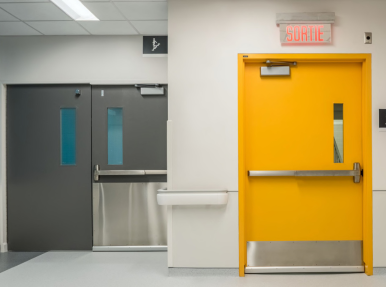
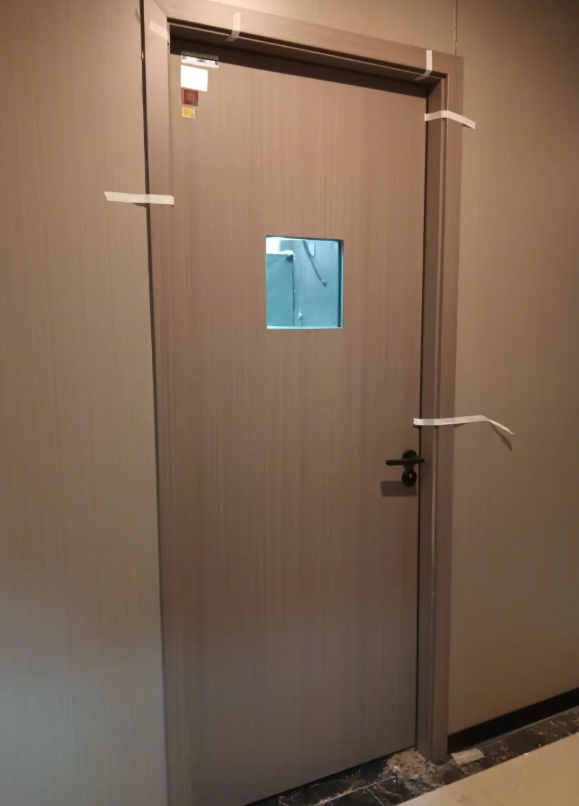
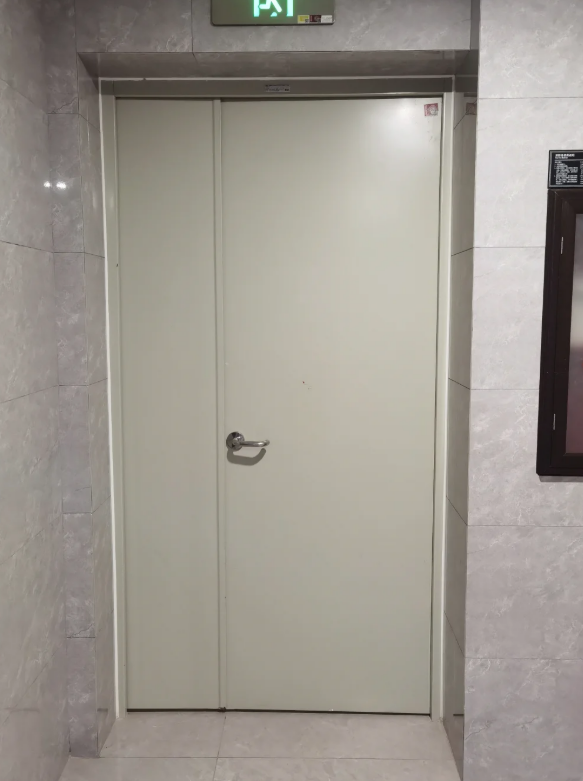
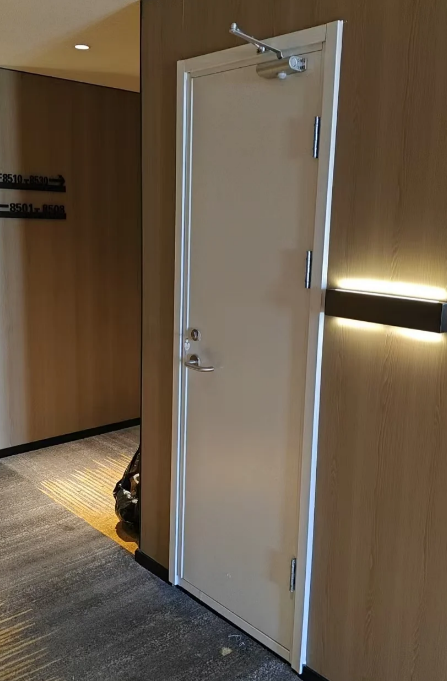
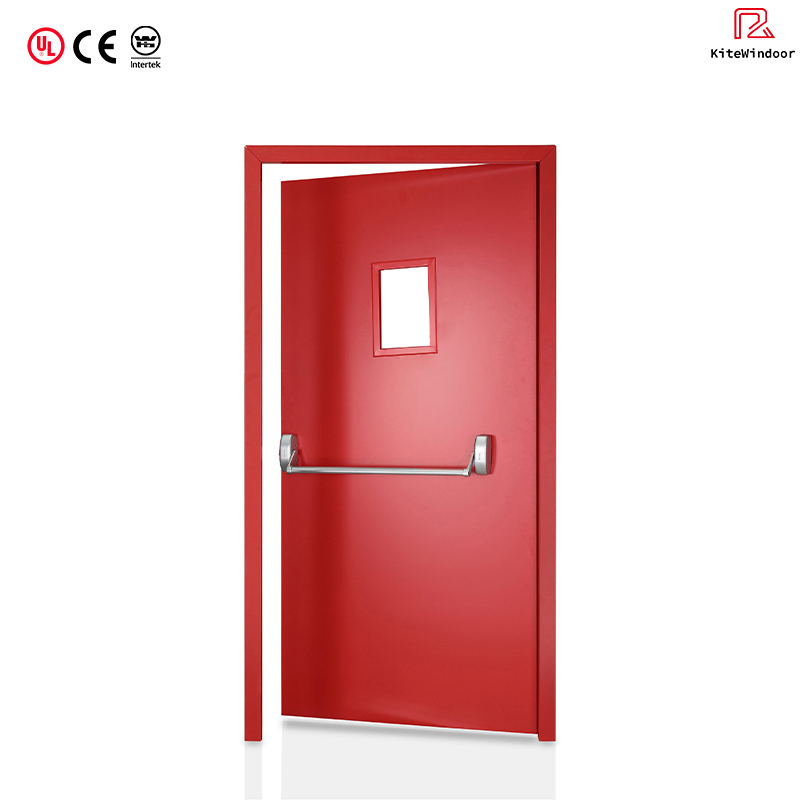
Internal fire door and frame systems represent a crucial component of modern building safety infrastructure, specifically designed to contain fire, smoke, and toxic gases within designated areas during emergency situations. These specialized doors function as passive fire protection elements that automatically activate when exposed to heat, providing essential compartmentalization that saves lives and protects property. The internal fire door and frame assembly consists of a fire-rated door leaf constructed from materials such as steel, timber with fire-resistant cores, or composite materials, paired with a matching frame that maintains structural integrity under extreme temperatures. The technological features of internal fire door and frame systems include intumescent seals that expand when heated to seal gaps, fire-rated glass panels that maintain visibility while resisting heat transmission, and robust hinges engineered to support the door weight during thermal expansion. Modern internal fire door and frame designs incorporate advanced fire-resistant cores made from materials like mineral fiber, vermiculite, or ceramic compounds that provide excellent thermal insulation properties. The frame construction typically utilizes galvanized steel or treated timber with fire-retardant coatings to ensure dimensional stability during fire exposure. These systems are tested and certified according to international fire safety standards, with ratings typically ranging from 30 minutes to 240 minutes of fire resistance. Applications for internal fire door and frame installations span across commercial buildings, residential complexes, healthcare facilities, educational institutions, and industrial structures. In office buildings, these doors separate stairwells, corridors, and different occupancy zones. Hospitals rely on internal fire door and frame systems to protect patient areas and maintain evacuation routes. Educational facilities use them to compartmentalize classrooms and administrative areas. The installation process requires precise fitting to ensure proper seal compression and optimal performance during fire events. Regular maintenance and inspection of internal fire door and frame components ensure continued effectiveness and compliance with building codes and insurance requirements.