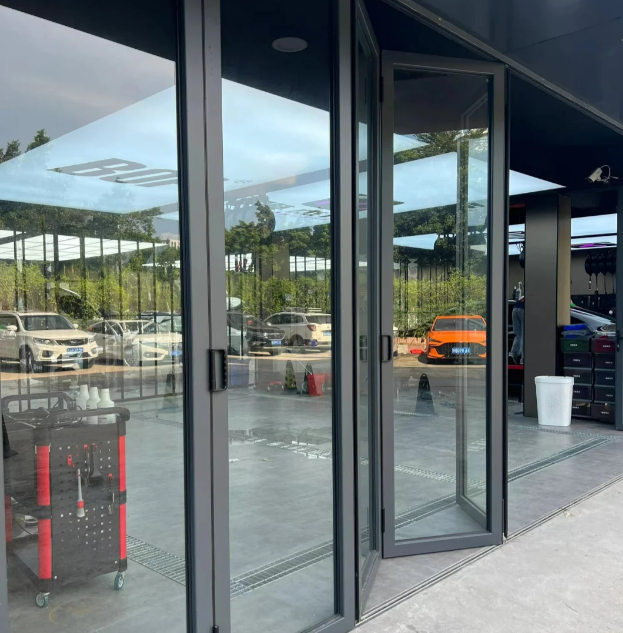
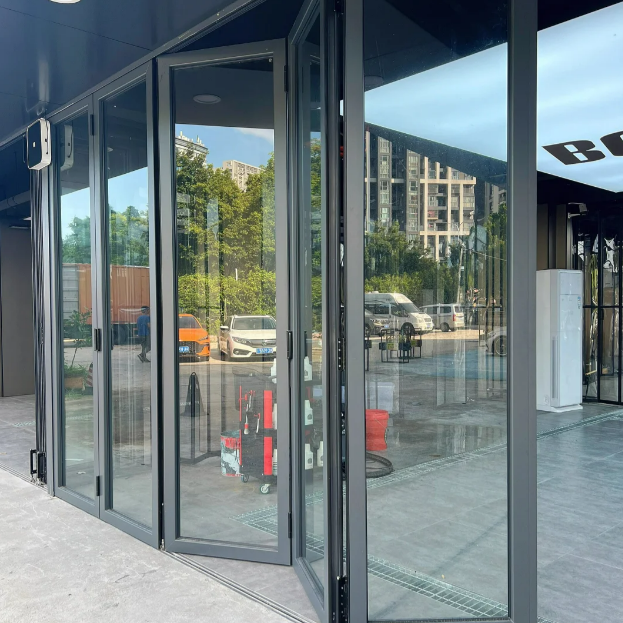
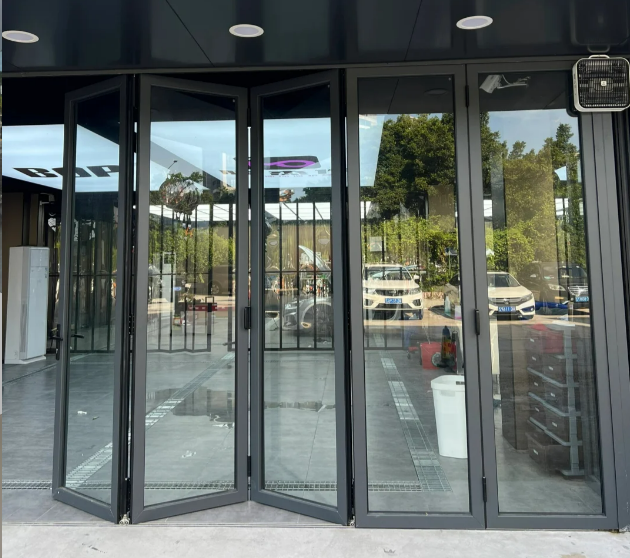
large folding doors
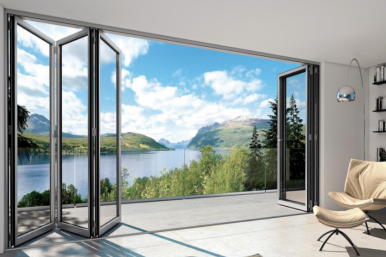
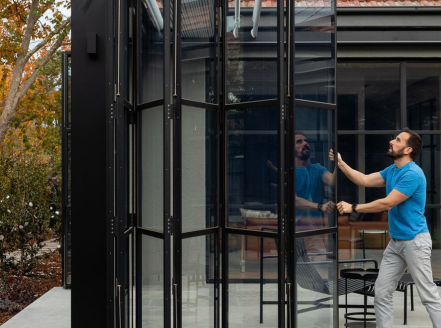
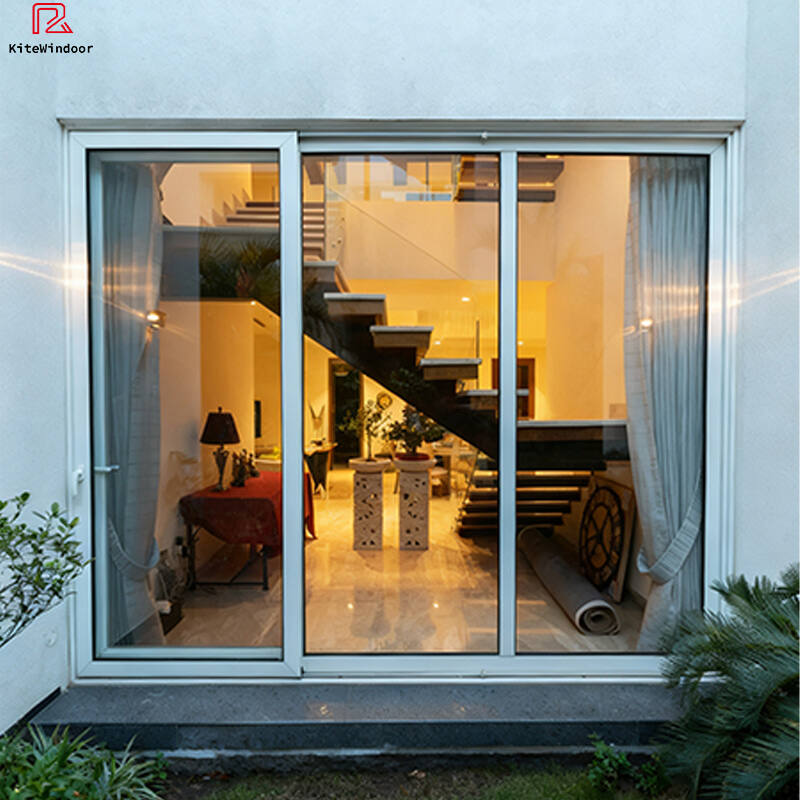
Large folding doors represent a sophisticated architectural solution that combines functionality with aesthetic appeal, transforming how spaces connect and divide. These expansive door systems consist of multiple panels that fold against each other in an accordion-style mechanism, creating wide openings that seamlessly merge interior and exterior environments. The engineering behind large folding doors incorporates precision hardware, weatherproof sealing systems, and durable materials designed to withstand frequent operation while maintaining structural integrity. Modern large folding doors utilize advanced track systems with smooth-rolling mechanisms that distribute weight evenly across multiple pivot points, ensuring effortless operation even with substantial door sizes. The technological features include multi-point locking systems that provide enhanced security, thermal breaks that improve energy efficiency, and adjustable hinges that accommodate building settlement over time. These door systems typically feature reinforced aluminum or steel frames with options for wood cladding, creating versatility in design applications. Weather sealing technology incorporates compression gaskets and drainage channels that prevent water infiltration while maintaining air tightness. Large folding doors find applications across residential, commercial, and industrial sectors, serving as patio doors, room dividers, storefront entrances, aircraft hangar doors, and warehouse access points. In residential settings, they create stunning transitions between living spaces and outdoor areas, maximizing natural light and ventilation. Commercial applications include restaurant patios, retail storefronts, conference rooms, and exhibition spaces where flexible opening configurations enhance functionality. Industrial uses encompass manufacturing facilities, logistics centers, and maintenance bays where large equipment access requires substantial openings. The modular design allows customization of panel quantities, dimensions, and opening directions to suit specific architectural requirements and spatial constraints.