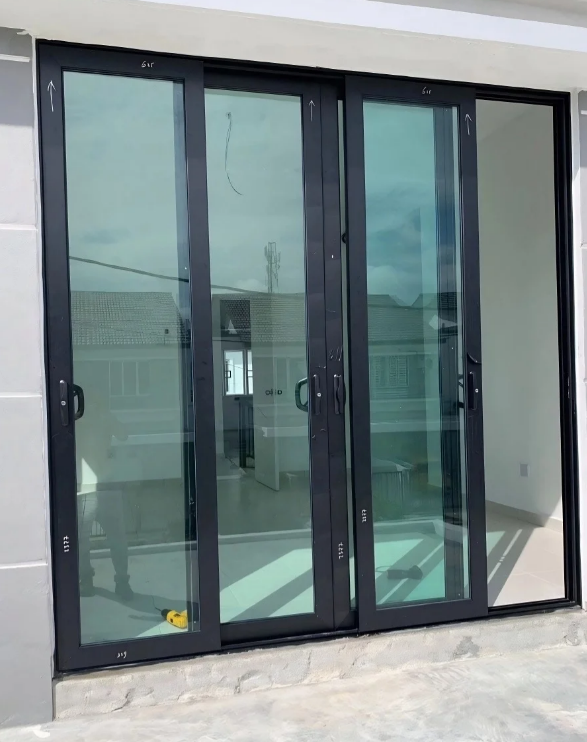
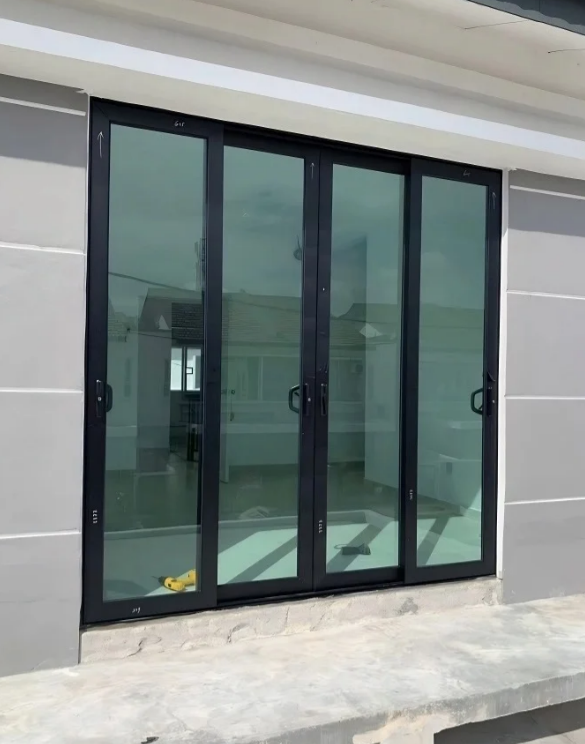
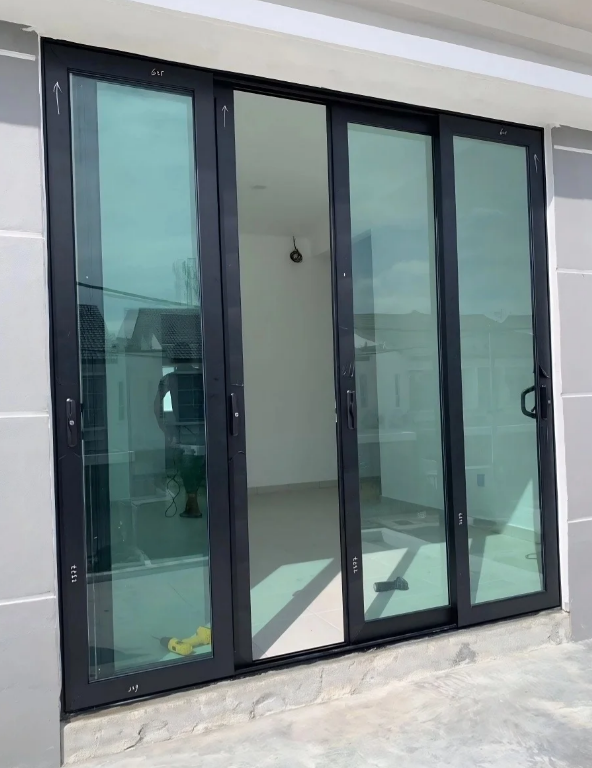
sliding glass storm door
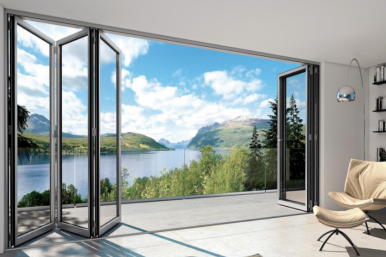
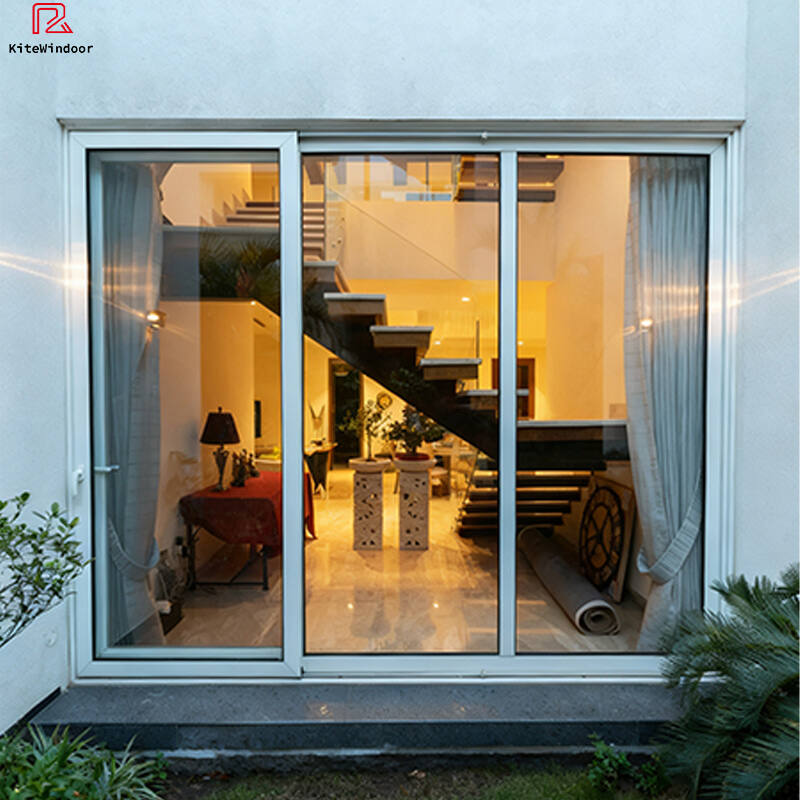
A sliding glass storm door represents an innovative solution that combines protection, energy efficiency, and aesthetic appeal for modern homes. This specialized door system features a robust glass panel mounted within a durable frame that slides horizontally along a track system, providing homeowners with versatile access control and weather protection. Unlike traditional hinged storm doors, the sliding glass storm door operates smoothly along precision-engineered rails, eliminating the need for clearance space that swing doors require. The primary functions of this door system include protecting the main entrance from harsh weather conditions such as rain, snow, wind, and debris while maintaining clear visibility and natural light transmission. The sliding glass storm door serves as an effective barrier against outdoor elements without compromising the visual connection between indoor and outdoor spaces. Technologically, these doors incorporate advanced materials and engineering principles to deliver superior performance. The glass panels typically feature tempered safety glass or laminated glass construction, providing enhanced durability and shatter resistance. The frame materials commonly include aluminum, vinyl, or composite materials that resist corrosion, warping, and thermal expansion. Modern sliding glass storm doors often integrate weatherstripping systems, adjustable rollers, and precision-manufactured tracks to ensure smooth operation and tight sealing. Some models incorporate low-emissivity coatings on the glass surfaces to improve thermal performance and reduce energy transfer. The applications for sliding glass storm doors extend across residential and commercial settings. Homeowners frequently install these systems on patio entrances, balcony access points, and main entry doors where space constraints make traditional swing doors impractical. The sliding mechanism proves particularly valuable in areas with limited clearance space, high-traffic zones, or locations where maintaining an unobstructed pathway is essential. Commercial applications include storefront entrances, office buildings, and retail establishments where durability, security, and professional appearance are paramount considerations for business operations and customer accessibility.