glass sliding fitting
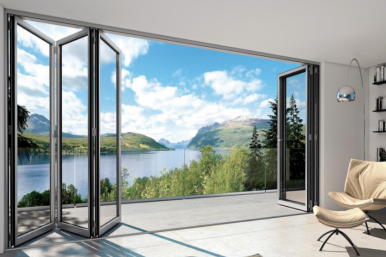
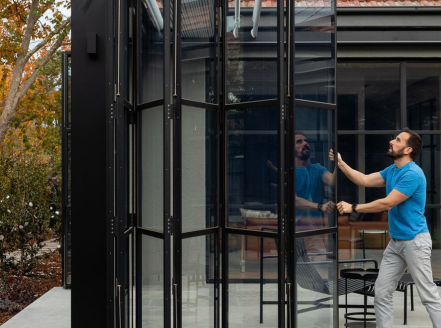
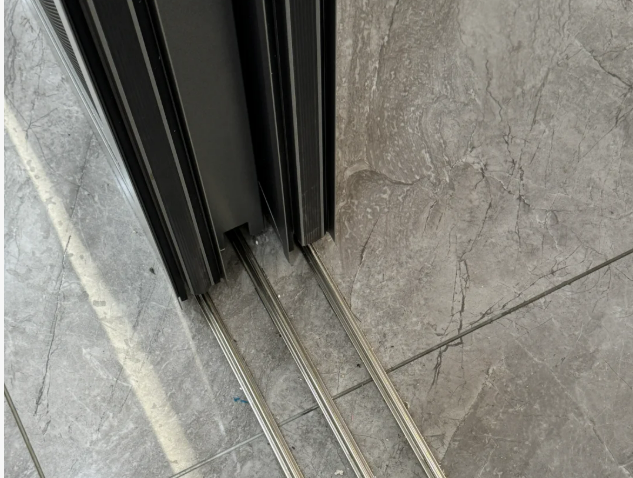
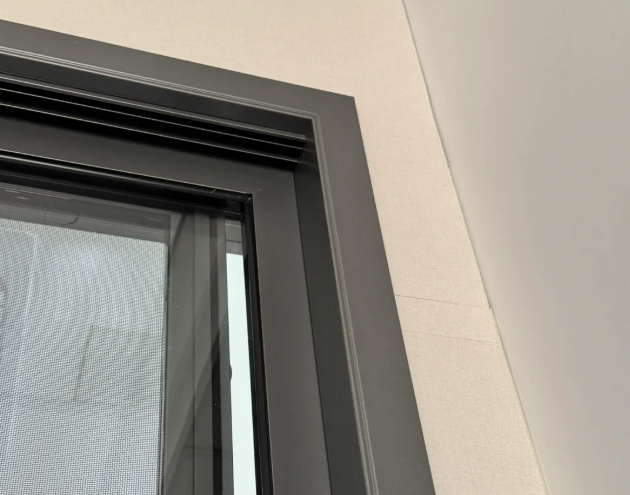
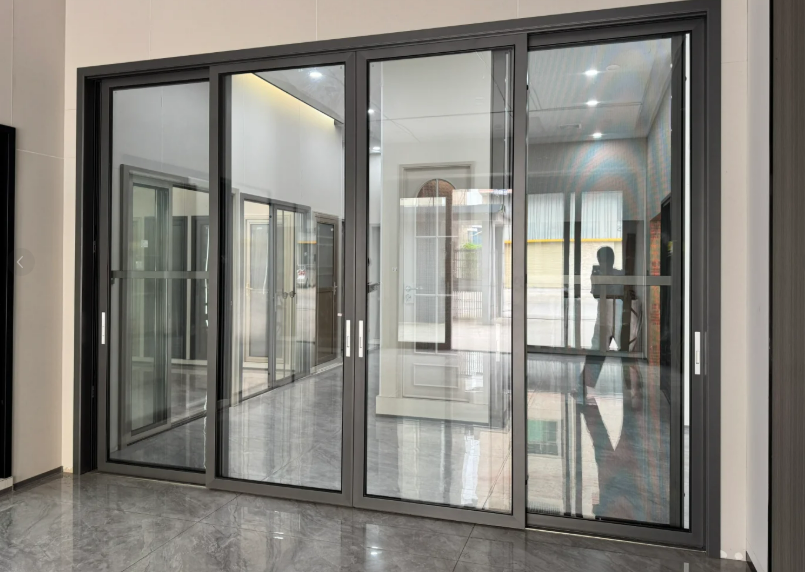
Glass sliding fitting represents a revolutionary hardware solution designed to facilitate smooth, reliable movement of glass panels in various architectural and interior design applications. This sophisticated mechanism serves as the critical connection point between movable glass elements and their supporting structures, enabling seamless operation of sliding doors, windows, partitions, and display systems. The primary function of a glass sliding fitting revolves around providing controlled linear motion while maintaining structural integrity and aesthetic appeal. These fittings incorporate precision-engineered components that distribute weight evenly across the glass surface, preventing stress concentrations that could lead to damage or failure. Modern glass sliding fitting systems utilize advanced materials such as stainless steel, aluminum alloys, and specialized polymers to ensure longevity and corrosion resistance. The technological features of contemporary glass sliding fitting designs include ball bearing mechanisms, adjustable tension systems, and soft-close functionality that enhances user experience while protecting the glass from impact damage. These fittings accommodate various glass thicknesses, typically ranging from 6mm to 12mm, making them versatile solutions for different project requirements. Installation flexibility represents another key characteristic, as glass sliding fitting systems can be mounted on top tracks, bottom guides, or side-hung configurations depending on architectural constraints and design preferences. The applications for glass sliding fitting extend across residential, commercial, and industrial sectors. In residential settings, these fittings enable elegant room dividers, closet doors, and patio entrances that maximize natural light transmission while maintaining privacy options. Commercial applications include office partitions, retail displays, conference room separators, and restaurant dividers that create flexible spaces adaptable to changing business needs. Industrial uses encompass clean room access systems, laboratory equipment enclosures, and specialized storage solutions requiring transparent barriers with easy access capabilities.