ul fire door
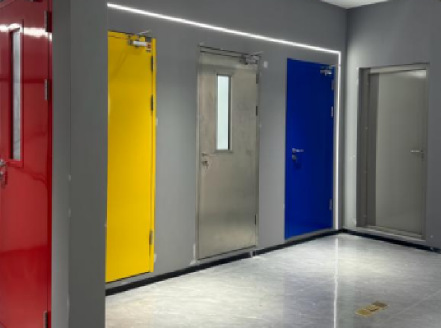
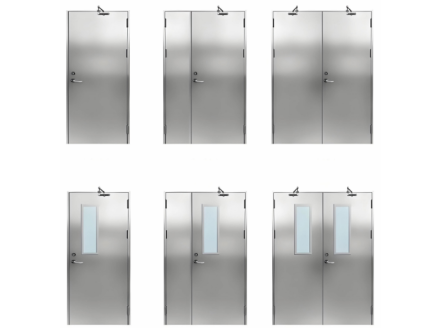
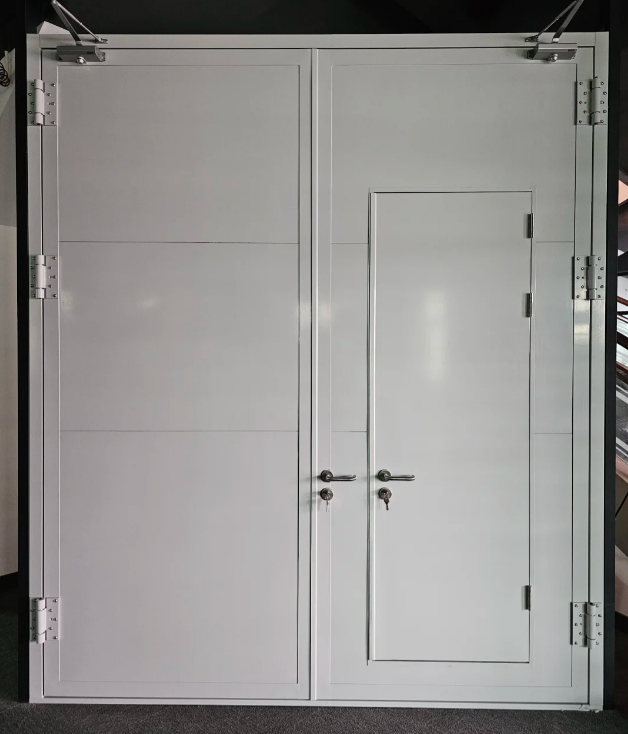
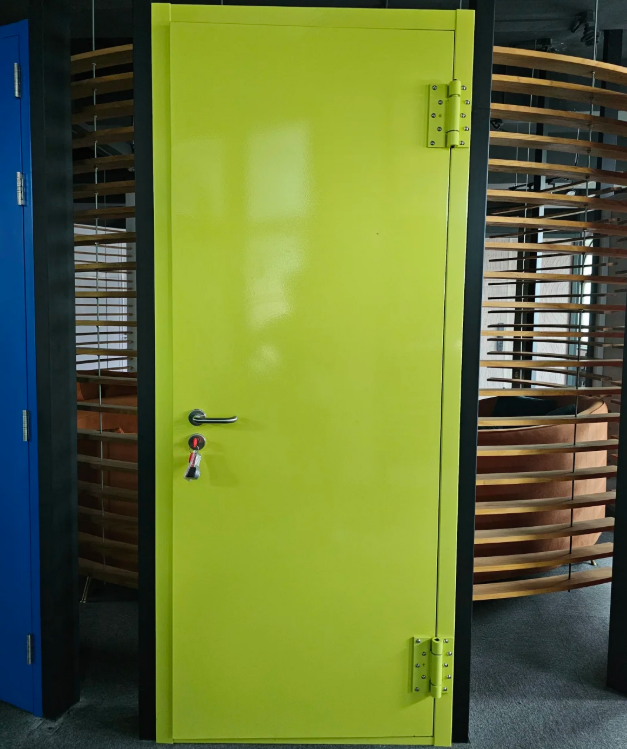
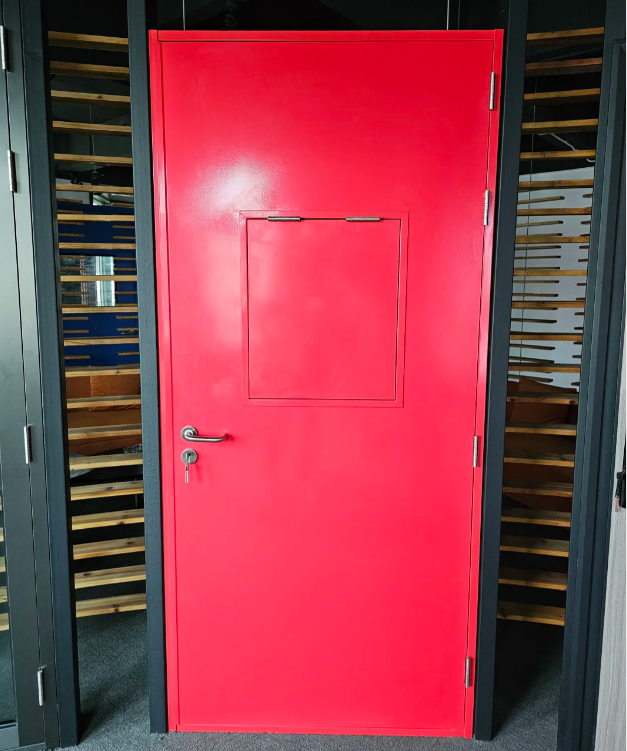
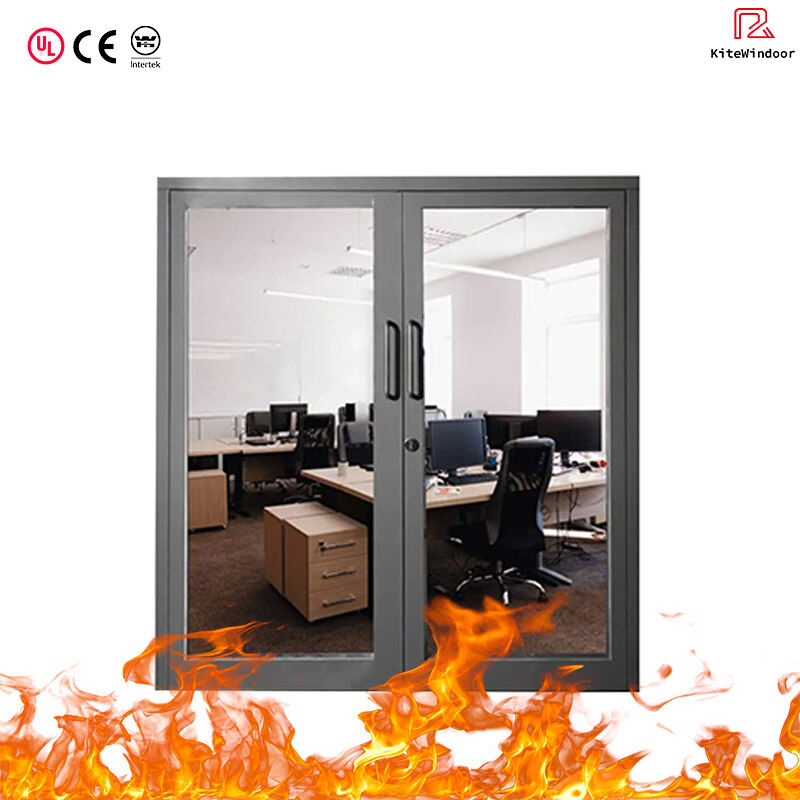
The UL fire door represents a critical safety component in modern building construction, designed to compartmentalize fire and smoke during emergencies. These specialized doors undergo rigorous testing and certification by Underwriters Laboratories, ensuring they meet strict fire resistance standards. A UL fire door functions as a passive fire protection system, automatically containing flames and preventing their spread through building corridors and compartments. The door's primary mechanism relies on specially engineered materials and construction techniques that maintain structural integrity under extreme heat conditions. When exposed to fire, the UL fire door expands and seals gaps, creating an effective barrier that can withstand temperatures exceeding 1,000 degrees Fahrenheit for predetermined time periods. Technologically, these doors incorporate advanced intumescent seals, fire-rated glass panels, and specialized hardware components that work together seamlessly. The core construction typically features mineral-based materials, steel reinforcement, and carefully calibrated thickness to achieve desired fire ratings. UL fire door applications span across commercial buildings, hospitals, schools, manufacturing facilities, and residential complexes where fire safety regulations mandate compartmentalization. Installation locations include stairwells, corridors, mechanical rooms, and any opening that requires fire separation between building sections. The certification process involves extensive testing under controlled laboratory conditions, where doors must demonstrate their ability to prevent flame passage, limit temperature rise, and maintain structural stability. Modern UL fire door designs also incorporate aesthetic considerations, allowing architects to specify units that complement building interiors while maintaining essential safety functions. These doors come in various configurations, including single and double leaf options, with ratings ranging from 20 minutes to several hours depending on specific building requirements and local fire codes.