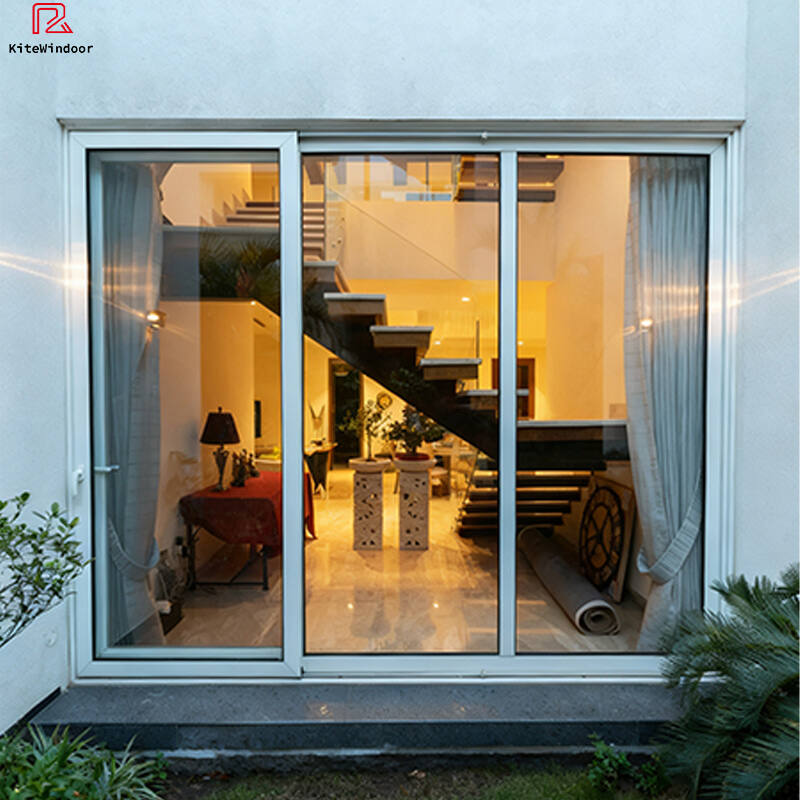
aluminum glass sliding window
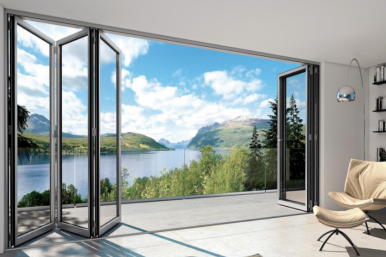
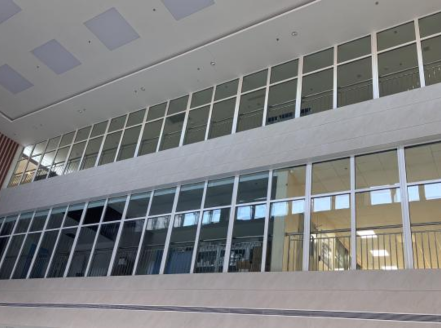
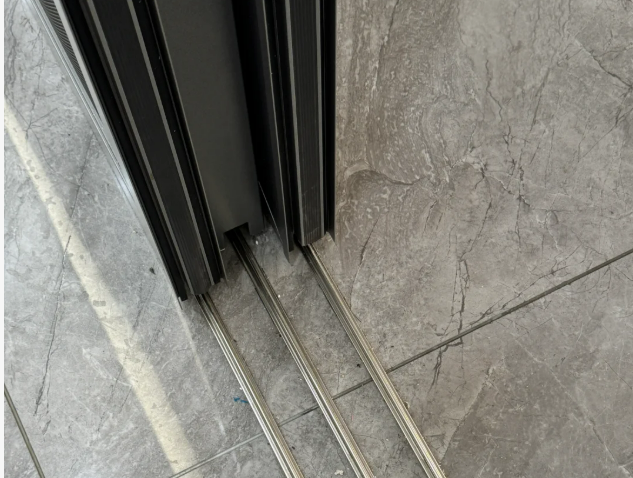
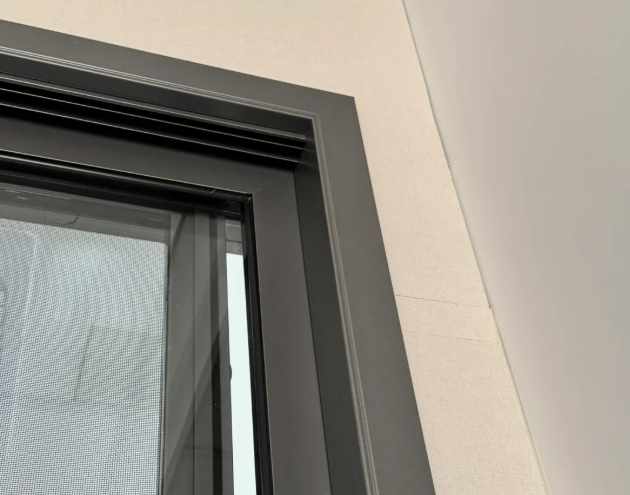
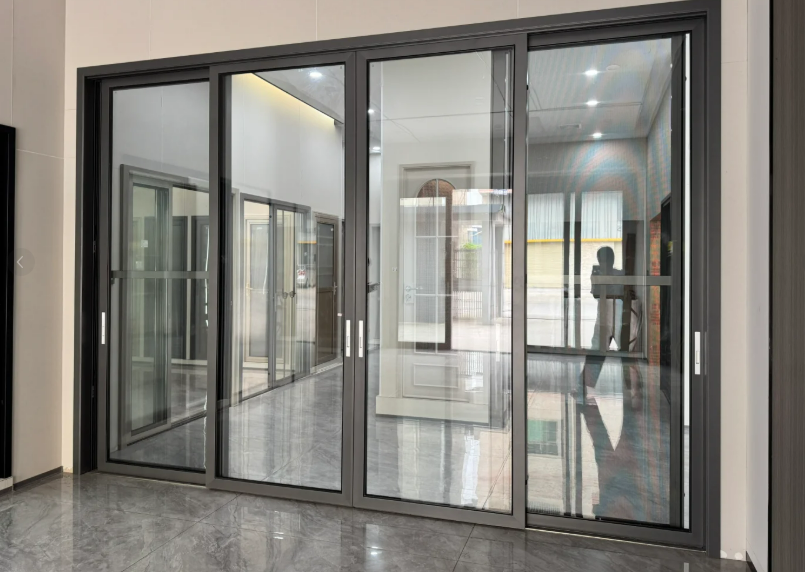
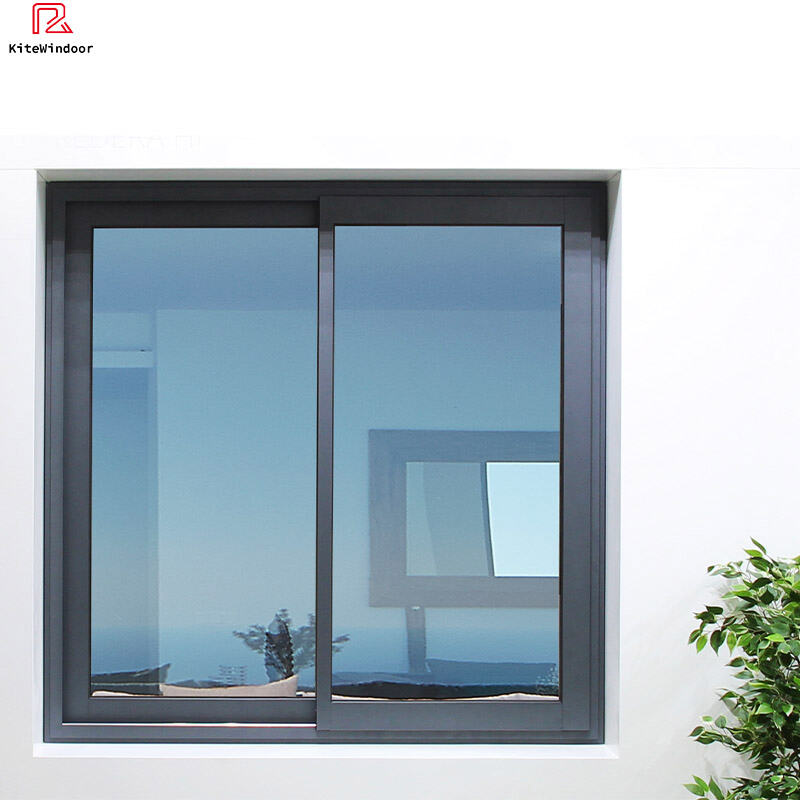
The aluminum glass sliding window represents a modern architectural solution that seamlessly combines durability, aesthetics, and functionality in contemporary building design. This innovative window system features a robust aluminum frame structure paired with high-quality glass panels that move horizontally along precision-engineered tracks, providing effortless operation and superior performance. The aluminum glass sliding window incorporates advanced engineering principles to deliver exceptional weather resistance, thermal efficiency, and long-lasting reliability for both residential and commercial applications. The core technology behind these windows utilizes extruded aluminum profiles that are specially treated for corrosion resistance and structural integrity. The frame system accommodates various glass configurations, including single, double, or triple-pane options, allowing for customized thermal and acoustic performance based on specific project requirements. The sliding mechanism operates on ball-bearing roller systems or stainless steel tracks, ensuring smooth movement even with large, heavy glass panels. Advanced weatherstripping and sealing technologies create tight barriers against air infiltration, water penetration, and dust intrusion. The aluminum glass sliding window finds extensive application in modern homes, office buildings, retail spaces, hotels, and institutional facilities where natural light maximization and unobstructed views are priorities. These windows excel in locations requiring wide openings, such as patio doors, balcony access points, room dividers, and curtain wall systems. The versatile design accommodates various architectural styles, from minimalist contemporary designs to traditional settings where clean lines and functionality take precedence. Installation flexibility allows for both new construction integration and retrofit applications, making the aluminum glass sliding window an ideal choice for renovation projects seeking to modernize existing spaces while maintaining structural integrity and improving energy efficiency performance standards.