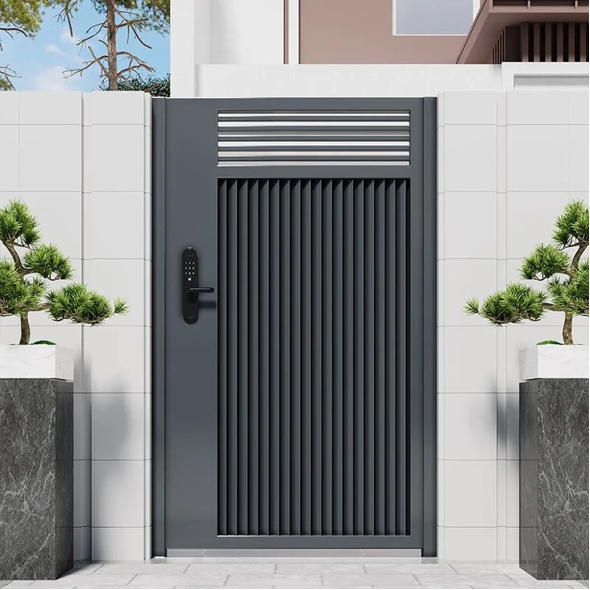
Versatile Applications and Installation Flexibility
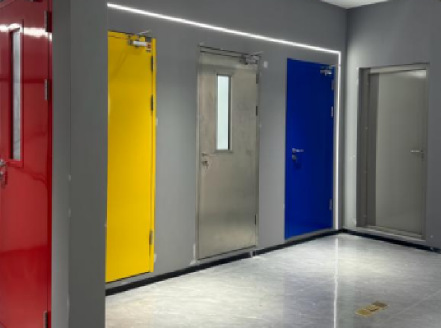
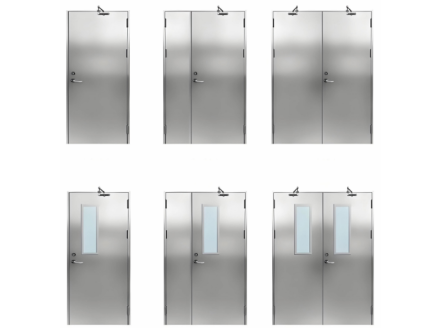
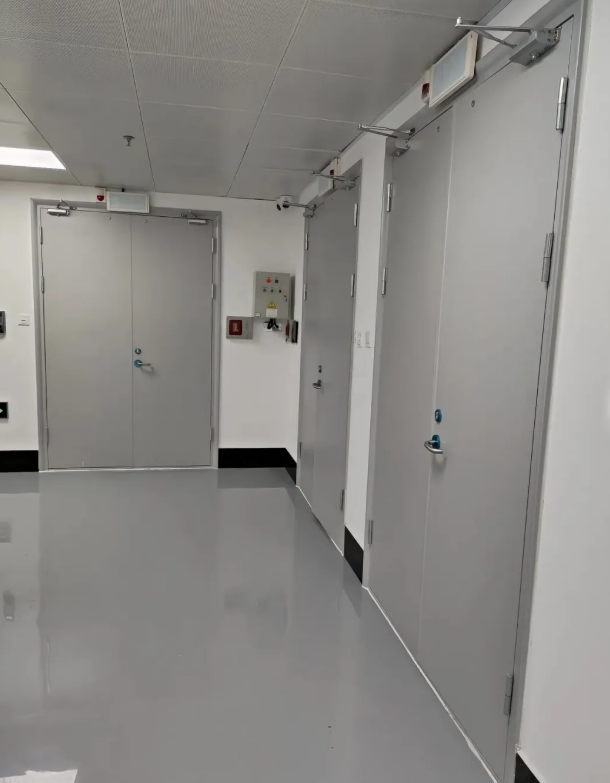
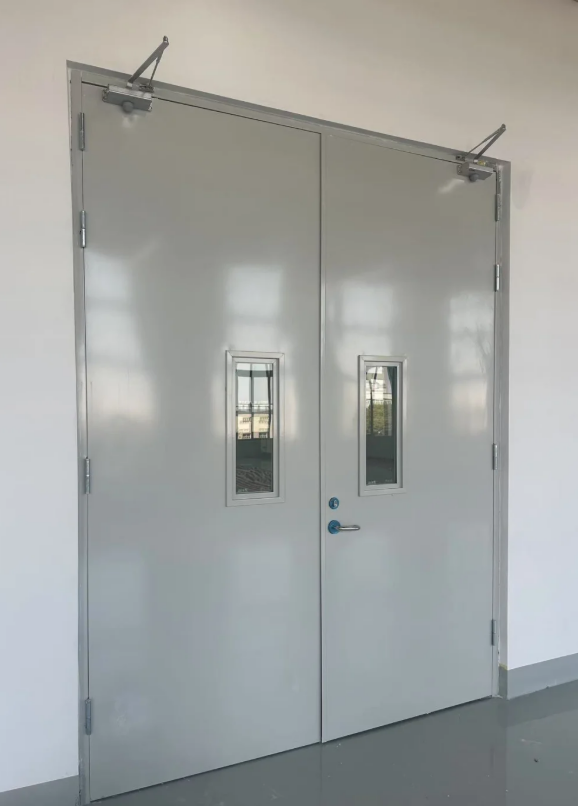
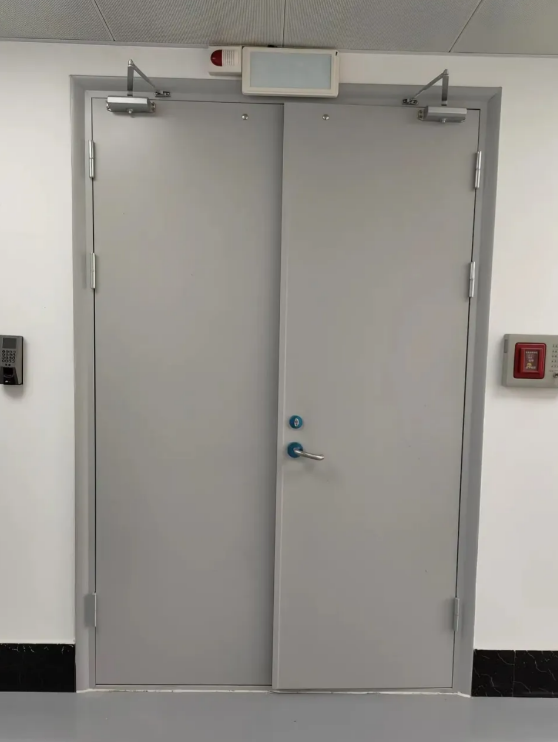
The composite fire door offers remarkable versatility in applications and installation scenarios, making it suitable for diverse building types and architectural requirements. Commercial office buildings benefit from composite fire door installations that provide required compartmentalization while maintaining aesthetic appeal through various finish options and architectural hardware configurations. Healthcare facilities utilize composite fire door systems for critical areas including operating rooms, patient wards, and pharmaceutical storage areas where fire protection must not compromise accessibility or infection control protocols. Educational institutions implement composite fire door solutions in dormitories, laboratories, and administrative buildings where safety regulations require specific fire ratings and egress requirements. Industrial applications leverage composite fire door technology for process areas, storage facilities, and manufacturing spaces where exposure to chemicals or extreme temperatures demands enhanced protection capabilities. Residential high-rise buildings incorporate composite fire door systems for stairwell access, utility rooms, and apartment entry points where building codes mandate fire-rated barriers. The installation flexibility of composite fire door systems accommodates various wall thicknesses and construction types, from masonry walls to steel framing and concrete construction. Retrofit applications benefit from composite fire door designs that can replace existing doors without extensive structural modifications, reducing installation costs and project timelines. The composite fire door hardware compatibility extends to electronic access control systems, automatic closing devices, and emergency egress components that integrate seamlessly with building security and life safety systems. Custom sizing options for composite fire door applications address unique architectural requirements including oversized openings, curved walls, and specialized geometric configurations. Installation training programs ensure that contractors understand proper techniques for composite fire door mounting, adjustment, and testing procedures that maintain certified performance levels. Field testing capabilities allow verification of composite fire door installation quality through smoke testing, gap measurements, and functional operation checks that confirm regulatory compliance and optimal performance.