residential fire rated doors
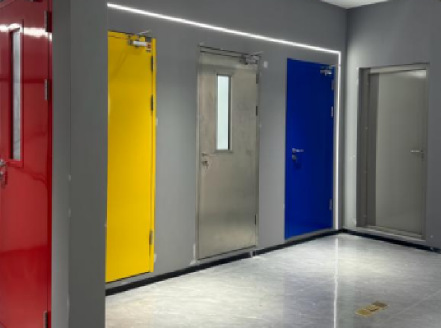
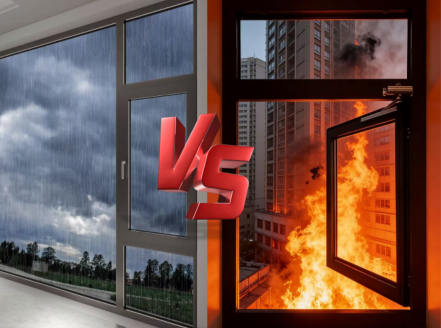
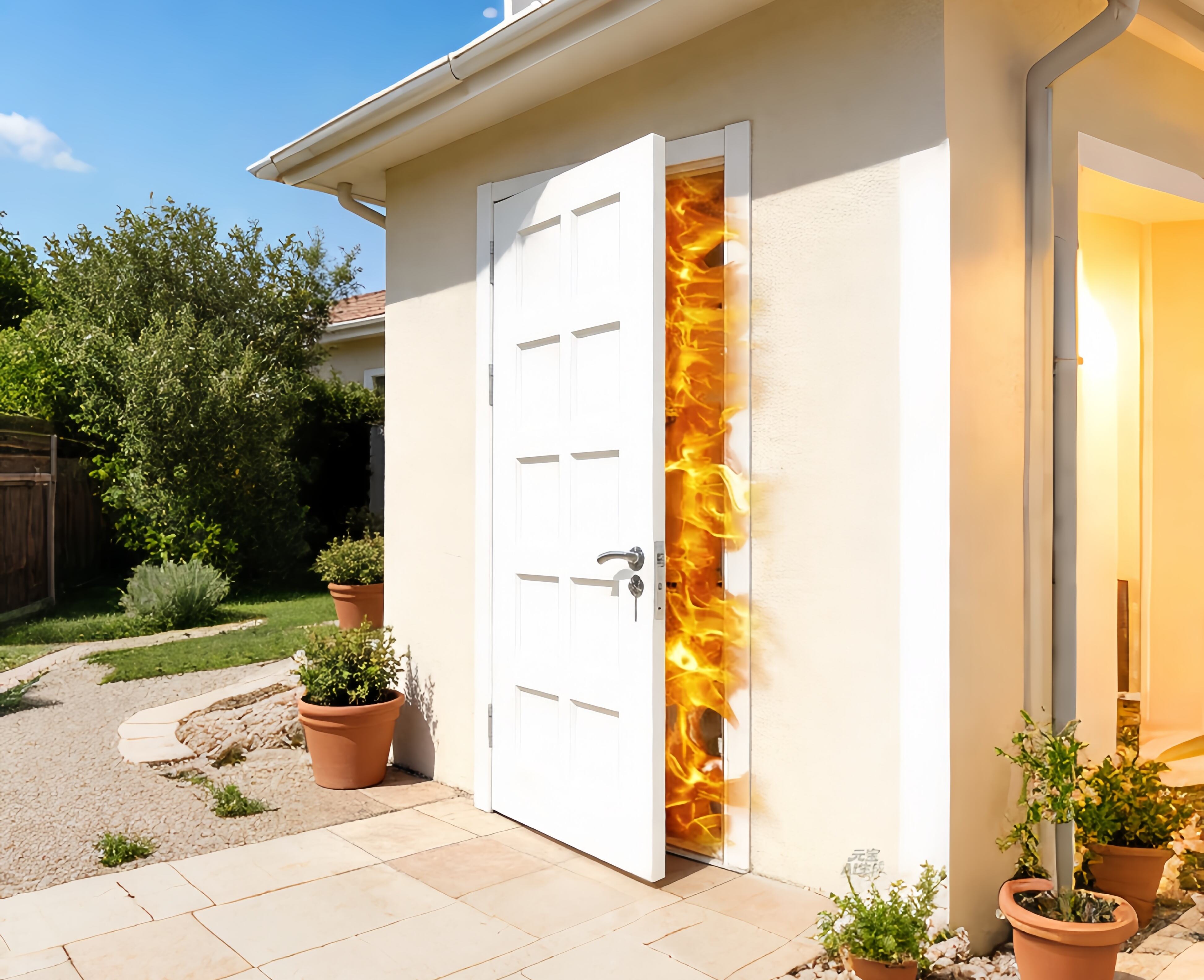
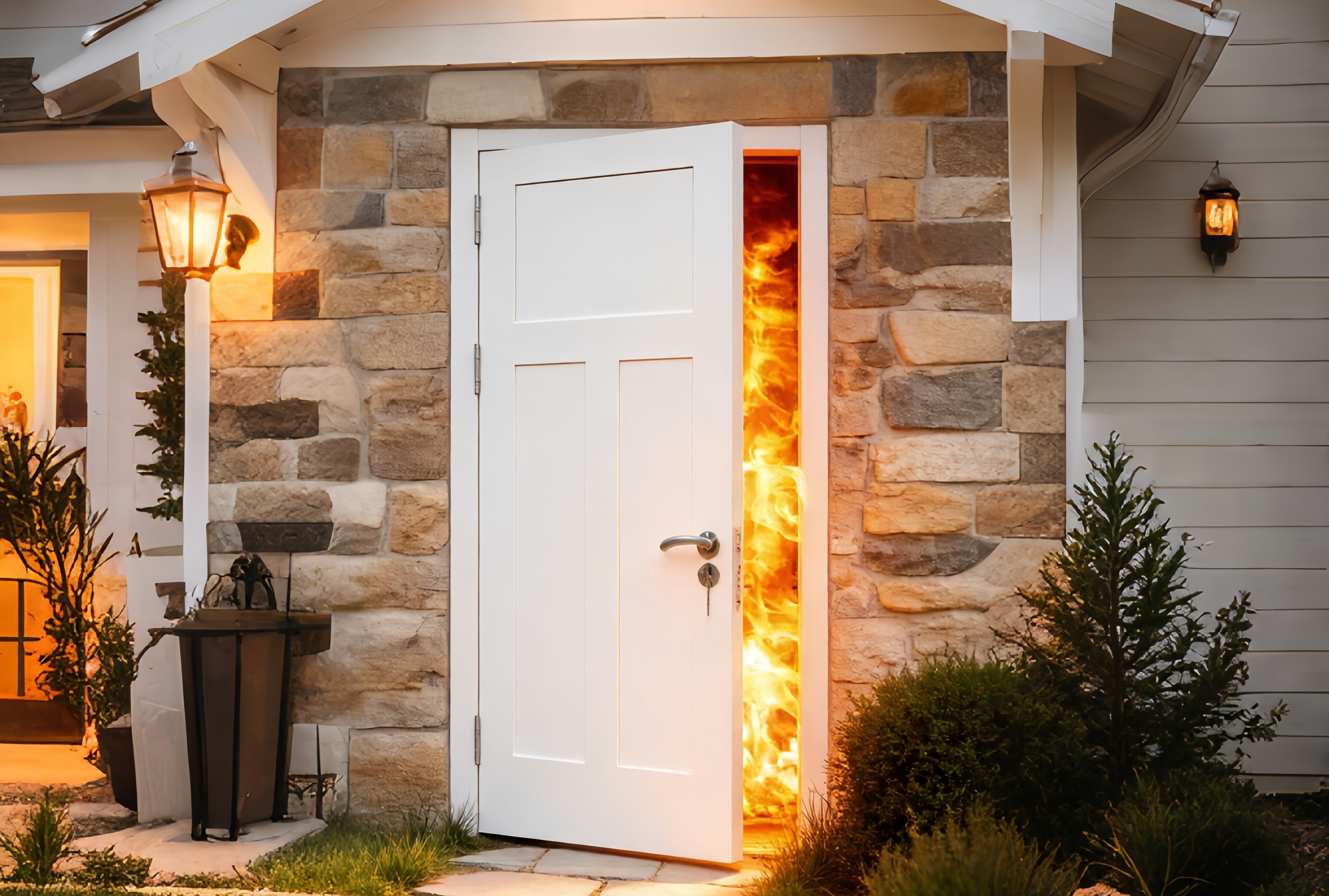
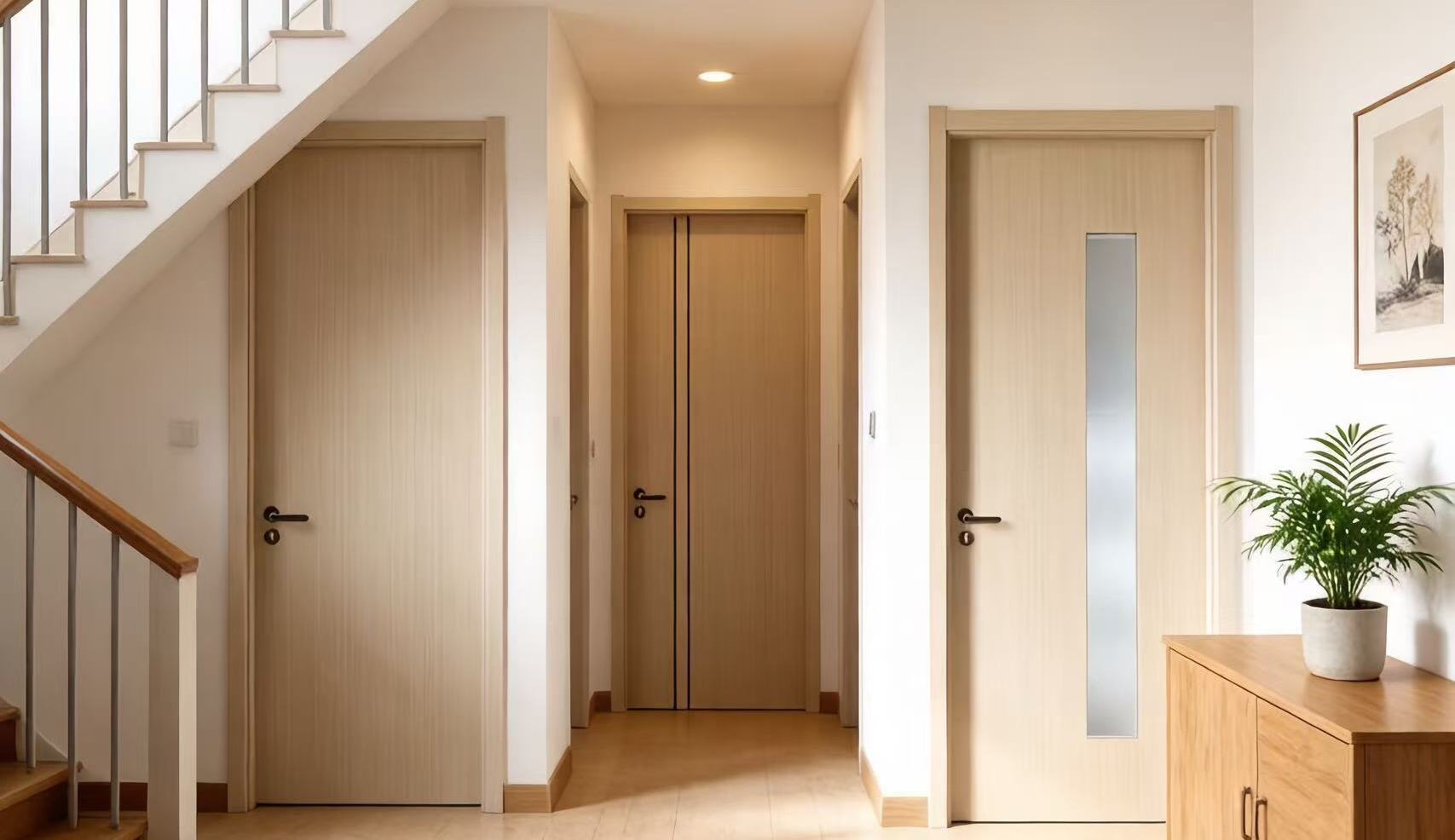
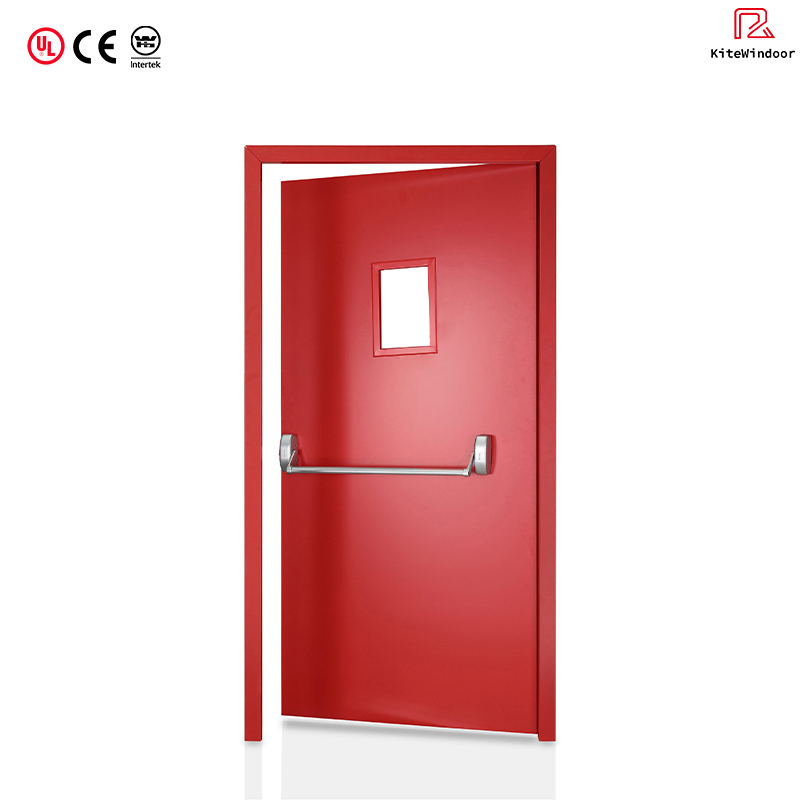
Residential fire rated doors represent a critical safety component in modern home construction and renovation projects. These specialized doors are engineered to withstand high temperatures and prevent the spread of fire and smoke between different areas of a home for predetermined periods, typically ranging from 20 minutes to 3 hours. Unlike standard interior doors, residential fire rated doors undergo rigorous testing procedures to meet strict safety standards established by organizations such as Underwriters Laboratories (UL) and the National Fire Protection Association (NFPA). The construction of these doors involves multiple layers of fire-resistant materials, including steel cores, mineral wool insulation, and specially treated wood or composite materials that expand when exposed to heat, creating an effective barrier against flames and toxic gases. Modern residential fire rated doors feature advanced intumescent seals around the door frame that expand dramatically when heated, effectively sealing gaps that could otherwise allow smoke and fire to pass through. The hardware components, including hinges, locks, and door handles, are specifically designed to maintain their structural integrity under extreme heat conditions. Installation requirements for residential fire rated doors are more stringent than regular doors, requiring proper frame construction, appropriate clearances, and certified installation procedures to maintain their fire rating certification. These doors serve multiple purposes beyond fire protection, offering enhanced security features, improved sound insulation, and energy efficiency benefits. The aesthetic options available today ensure that homeowners do not need to compromise on style while prioritizing safety, with various finishes, colors, and designs available to complement any interior design scheme. Residential fire rated doors are particularly essential in multi-story homes, attached garages, utility rooms housing heating equipment, and areas where building codes mandate fire separation between living spaces and potential fire hazards.